 Silver Rises Over 120% YTD




Gold Confiscation: Could the Government Take Your Gold Again?
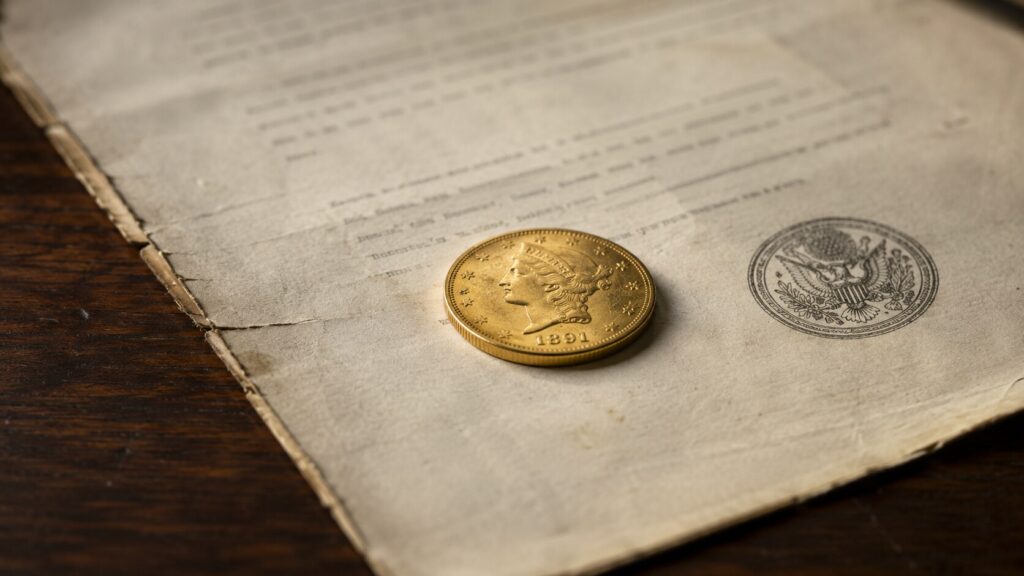
In 1933, the US government ordered Americans to surrender their gold at $20.67 an ounce — then revalued it to $35 and kept the difference. It was legal. It worked. But five major crises have passed since private ownership was restored in 1975, and confiscation has not happened once. Here is what actually changed, why the legal bar is now substantially higher, and what modern allocated ownership means for the question every gold investor eventually asks.
Gold at $4,454 Says the Fed Is Trapped. Here’s Why.
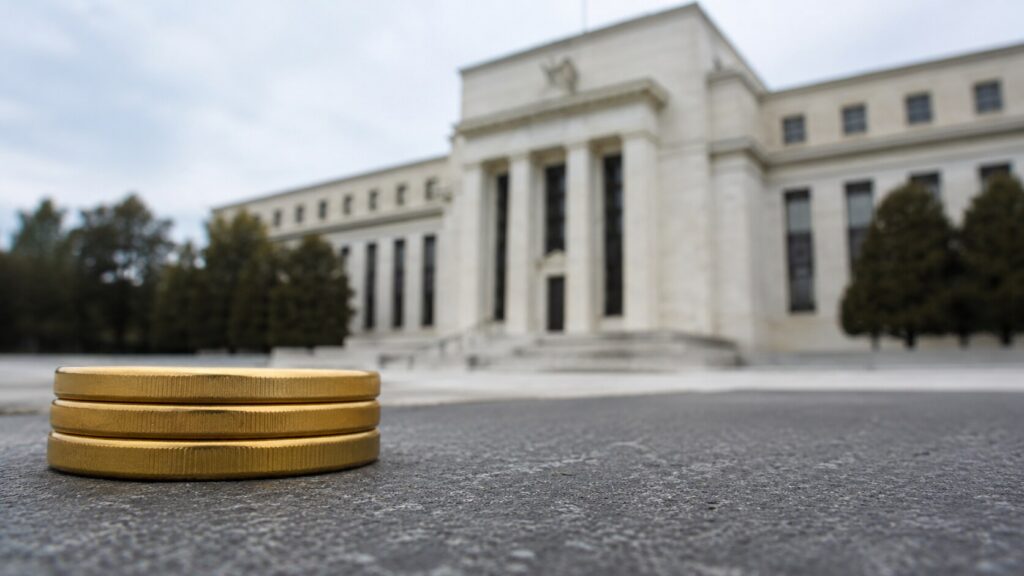
Friday’s jobs report doesn’t just move gold for 48 hours. This time it sets the stage for Kevin Warsh’s first FOMC meeting, a divided committee, and 3.8 percent inflation the Fed can’t cut through. Three scenarios. One structural trap. Here’s the framework before the number drops.
Central Banks Picked Gold Over Treasuries. Should You?
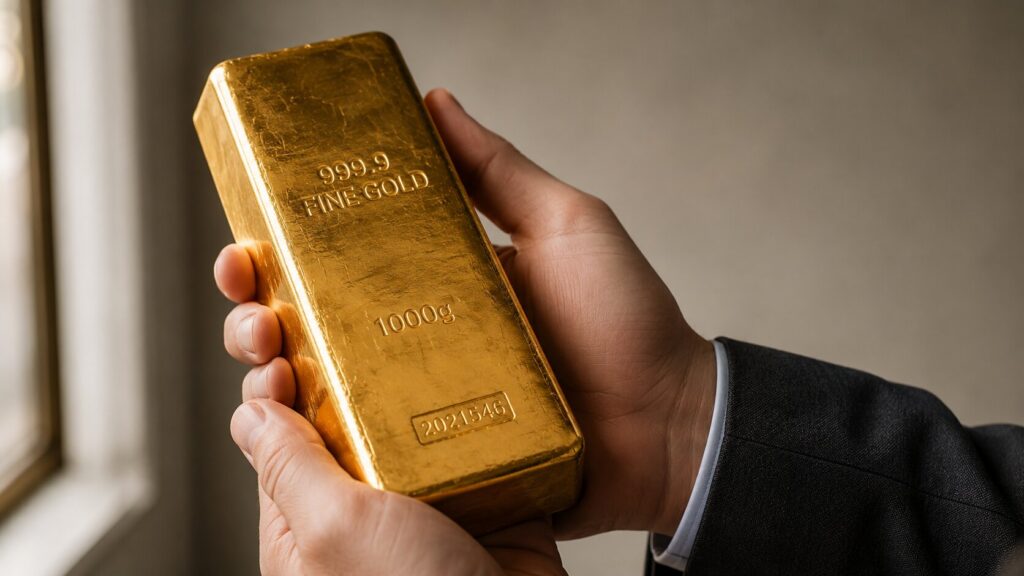
The ECB just confirmed gold leads global reserves for the first time since 1996 — ahead of US Treasuries. Central banks that could have rebalanced didn’t. Here’s the mechanism behind that choice, and what it means for individual savers.
Central Banks Just Crossed a Line Not Seen Since 1996

The ECB just confirmed gold has overtaken U.S. Treasuries as the world’s top reserve asset for the first time since 1996. India’s government denied selling $12 billion in gold the same morning Bloomberg said it did. And gold is trading $300 below what 30 Reuters analysts say it should be worth. Five signals. One story.


