 Silver Rises Over 120% YTD




Hong Kong Just Ran Its First Gold Settlement. The Banks Who Did It Also Run London’s.
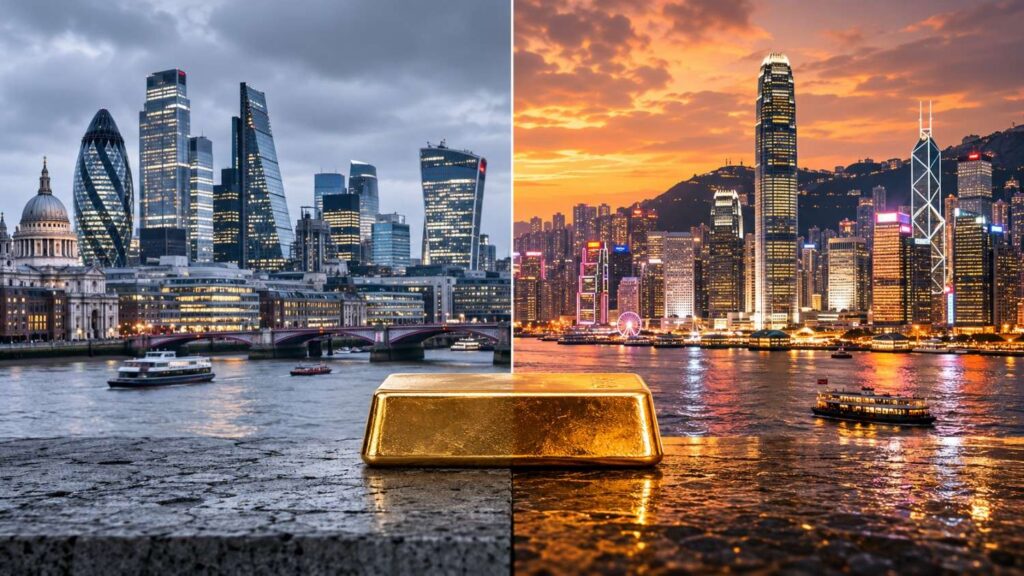
Hong Kong’s Precious Metals Central Clearing Company ran its first institutional gold settlements on July 7, 2026. Four of the banks behind it — HSBC, JPMorgan, UBS, and Citi — also run London’s gold clearing system. Here is what that tells you about where gold pricing power is heading.
State Street Predicts $5,500 Gold by Q1 2027: Is the Dip Over?

State Street’s July 2026 Monthly Gold Monitor targets $5,000 per ounce into early 2027, with a 70% probability baseline range of $4,750–$5,500. Here is the structural case behind the forecast — record global debt, central bank buying, and a stock-bond correlation breakdown — and what a gold recovery means for silver’s high-beta setup.
Consumer Inflation Expectations Just Fell to 4.2%. Gold Fell Too. The Survey Missed the Oil Spike.

The University of Michigan’s July survey showed inflation expectations falling to 4.2% — normally good news for gold. Yet gold fell anyway, trading near $4,019.87 and down roughly 3% for the week. The reason: more than 70% of survey responses were collected before July 7, when US airstrikes on Iran resumed and oil spiked 13%. Gold isn’t reacting to last month’s survey. It’s pricing next month’s.
Why China’s Gold Buying Spree Outweighs India’s Pause
China’s bar and coin gold demand hit a record 207 tonnes in Q1 2026 while India paused on a 15% import duty hike. Here’s why the divergence matters — and what it means for your physical gold allocation.
Gold Fell 3.4% This Week. The Long-Term Case Didn’t.

Gold fell 3.4% in the week ending July 17 — its largest weekly decline since June 1. Six days of U.S.-Iran escalation drove oil up 12%, repricing Fed rate-hike odds and pressuring gold to $3,968. Banks cut their 2026 average forecasts. Asia’s physical buyers did the opposite — and the structural case for gold ownership remains intact.


