 Silver Rises Over 120% YTD




Gold & Silver Market Correction: Is the 2026 Bull Market Over?

Gold fell nearly 28% from its January 2026 all-time high. Silver dropped over 52%. Here is what caused the correction, why the structural bull case remains intact, and what central banks, the WGC, and institutional forecasters say about where gold and silver go from here.
Why Is Gold So Expensive? The 5 Mechanisms Behind the Price
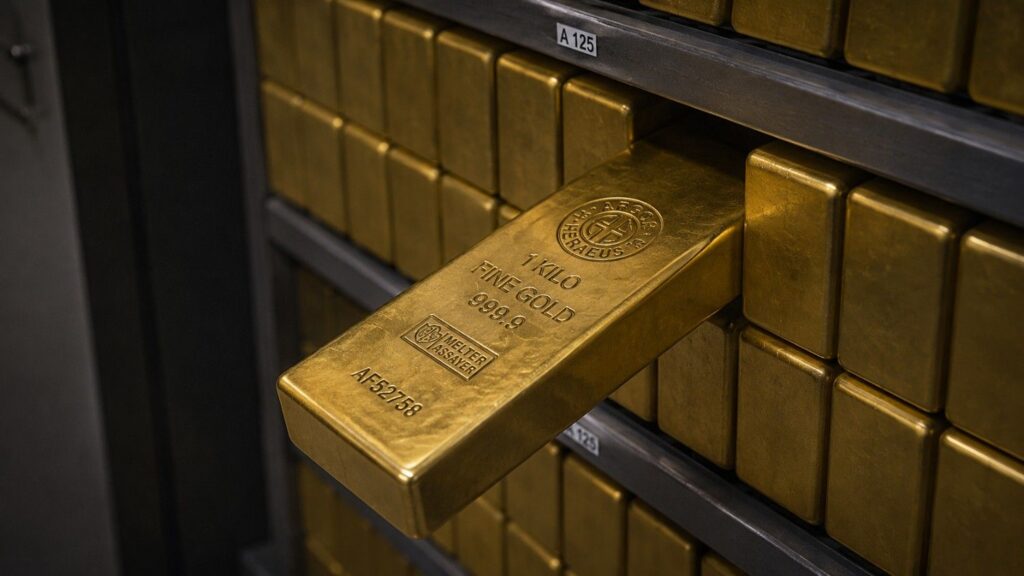
Gold costs roughly $4,000 per ounce today. Here are the five specific, measurable forces that explain exactly why — and why every major bank expects the price to go higher.
Why Is Gold Still a Safe Haven? Switzerland’s Biggest Refiner Just Answered.

Valcambi’s incoming CEO processed 1,000 tonnes of gold last year for national banks and bullion traders. Here’s the institutional case for why gold remains a strategic safe haven in 2026 — and what central bank behavior reveals about where the global monetary system is heading.
Gold Price History: From $35 to $4,500 in 100 Years
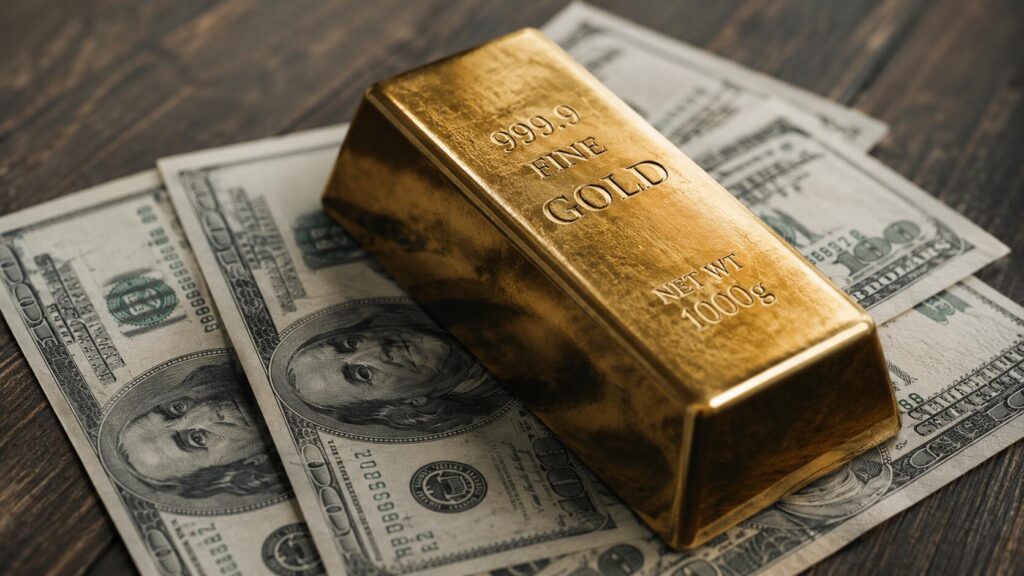
Gold went from $35 in 1971 to around $4,500 today — a 12,000% gain since the gold standard ended. Meanwhile, the dollar lost 96.9% of its purchasing power over the same period. These are not two separate stories. This is the complete gold price history: decade by decade, the real cause behind every major move, and what a century of data tells investors right now.
Gold Near $4,700: The Chaos Isn’t a Ceiling. It’s a Floor

Gold is holding near all-time highs because five institutional systems are under simultaneous stress: a new Fed chair inheriting uncontrollable inflation, mortgage rates at a six-month high, India’s gold market fracturing under a sudden import duty hike, a US-Iran ceasefire on life support, and a World Bank forecast of 42% precious metals gains in 2026. These aren’t five separate stories. They’re the same story told five ways.
What the Gold Price Per Ounce Really Tells You
Most investors glance at the gold price per ounce and move on. But this single number reveals more about the health of the monetary system than almost any other metric — here’s how to read it.
Should You Sell Gold During a Bull Market Pullback?

Gold has pulled back 16% from its January 2026 all-time high — but history shows that selling during a bull market pullback has repeatedly cost investors the next major leg higher. Here’s how to decide.
Every Major Bank Cut Its 2026 Gold Forecast. Now They Almost Agree — Near $4,500
Gold is 13% below its January all-time high — and every major bank is calling it a buying opportunity. This analysis covers 2026–2027 forecasts from J.P. Morgan, Goldman Sachs, Wells Fargo, UBS, and more, plus the five structural forces driving the rally.
Is Now a Good Time to Buy Gold? Here’s the Macro Case
Gold has pulled back 13–14% from its January all-time high of $5,589. The dollar is weakening, the IMF has cut its growth forecast, and central banks bought 863 tonnes of gold in 2025. Here’s what the macro picture is signaling.
Dow to Gold Ratio: 100 Years of History Decoded
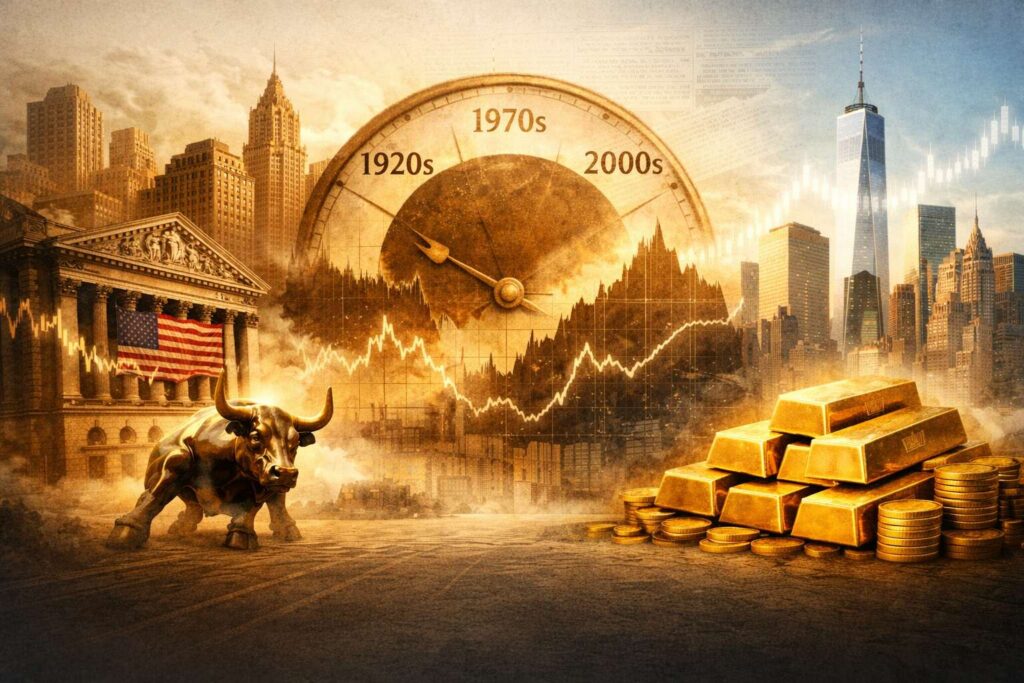
Gold has gained roughly 15.6% since January 1, 2026, while the Dow is up just 2.7% over the same stretch. That gap doesn’t register in most financial headlines — but the Dow to gold ratio captures it with precision. Right now, the ratio reads approximately 10: it takes around 10 ounces of gold to match one unit of the Dow index. At the dot-com peak in 1999, it took 43. What does that shift tell us, and where does it go from here?


