Silver Rises Over 120% YTD


14 Million Coins Sold. Zero Design Changes in 35 Years. Here’s Why Investors Keep Choosing the Philharmonic.

The Austrian Gold Philharmonic has been struck in .9999 fine gold by the Münze Österreich every year since 1989. Over 14 million coins have been distributed worldwide. Here is what serious buyers need to know about its specifications, IRA eligibility, premium structure, and how it compares to the American Gold Eagle.
American Gold Buffalo Coin: The Complete Guide to the U.S. Mint’s Purest Gold
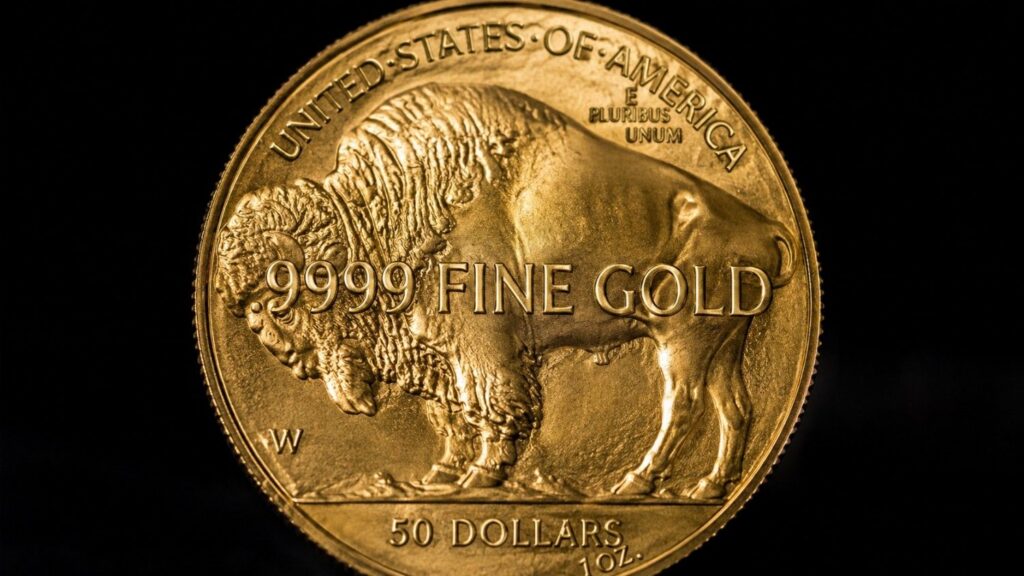
The American Gold Buffalo is the only .9999 fine (24-karat) gold bullion coin the U.S. Mint produces. Here is how it compares to the Gold Eagle, who it suits, and what investors need to know about purity, IRA eligibility, and premiums.
The Canadian Gold Maple Leaf: Purer Than the Eagle, Lower Premium, and IRA-Eligible
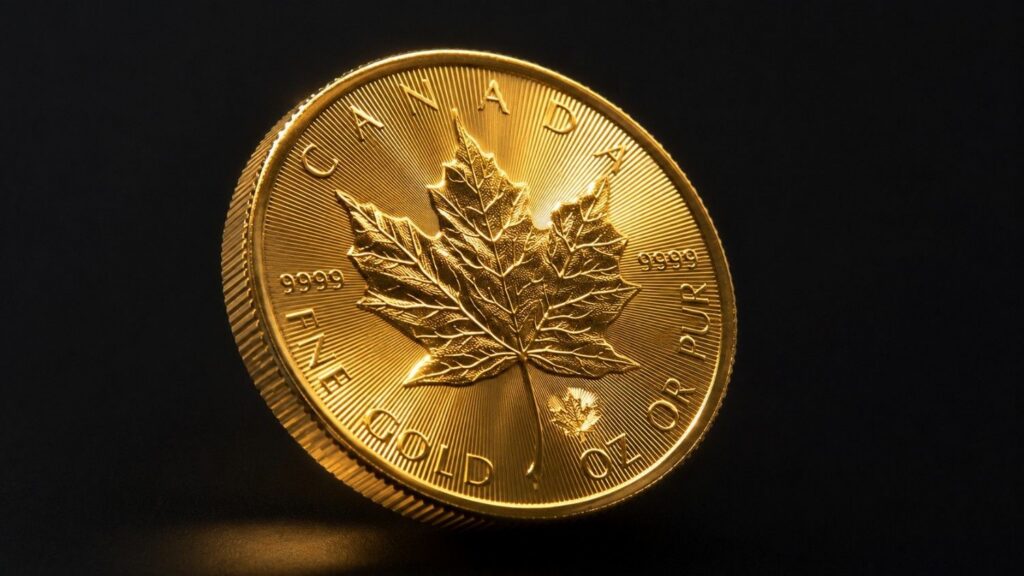
The Canadian Gold Maple Leaf is 99.99% pure gold, carries a lower dealer premium than the American Gold Eagle, and qualifies for a Gold IRA without a congressional exemption. Here is what the purity standard, security features, sizing options, and sound money case look like for investors considering physical gold ownership.
Gold Purity Explained: What Investors Need to Know
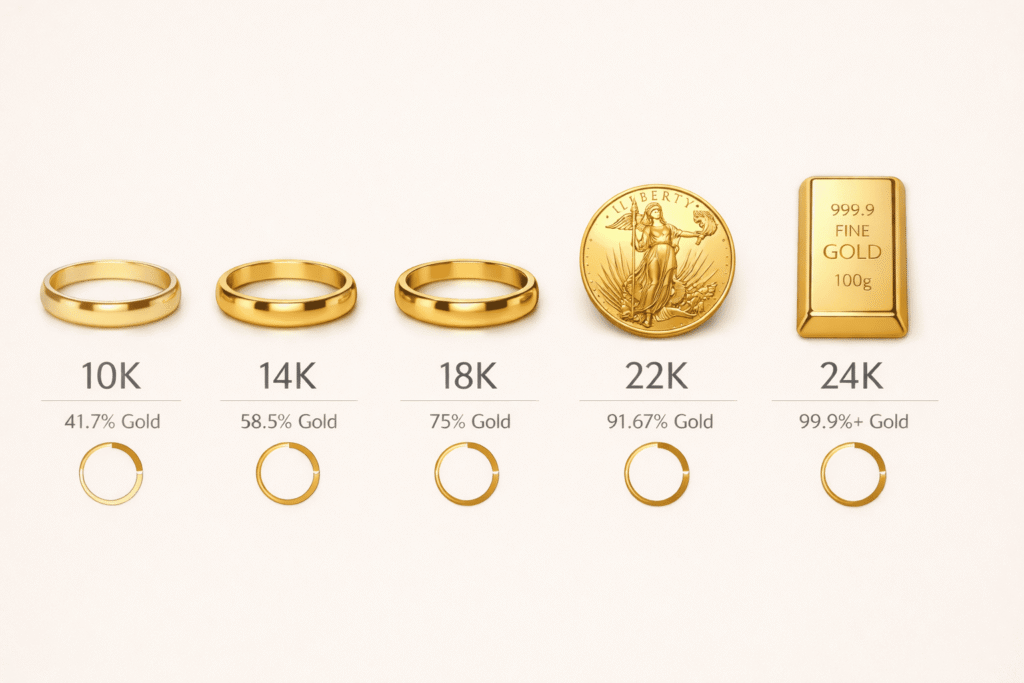
Not all gold is created equal. The karat on a jewelry piece and the fineness on a bullion coin are measuring the same thing — but they mean something very different for investors. Here’s how to read gold purity the right way before you buy.
Gold’s Purchasing Power: What One Ounce Buys Over Time
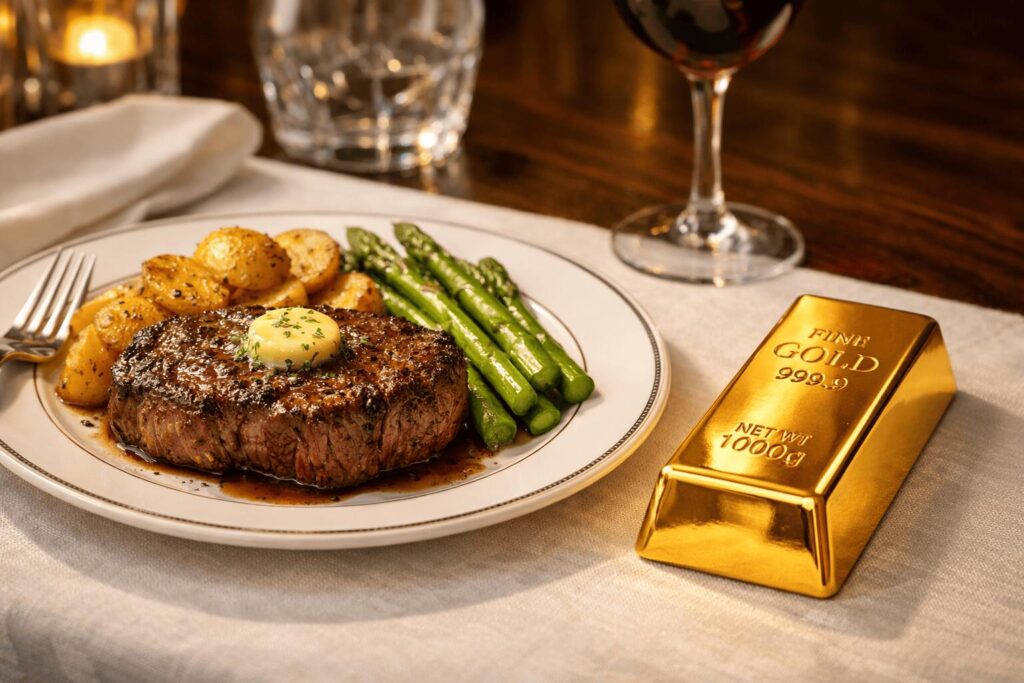
What can one ounce of gold actually buy? The answer reveals gold’s true value better than any price chart. In 1971, one ounce bought dinner for three at London’s Savoy Grill. Today, it buys dinner for fourteen. A quality suit cost one ounce in the 1920s—and still does today. Meanwhile, fiat currencies have lost 95%+ of their purchasing power. Discover the “Savoy Gold Ratio” and why gold’s consistent buying power across generations makes it essential portfolio insurance in an era of currency debasement.