 Silver Rises Over 120% YTD




Zero Tankers Crossed Hormuz on Sunday. Oil Hit $89. Gold Barely Moved.
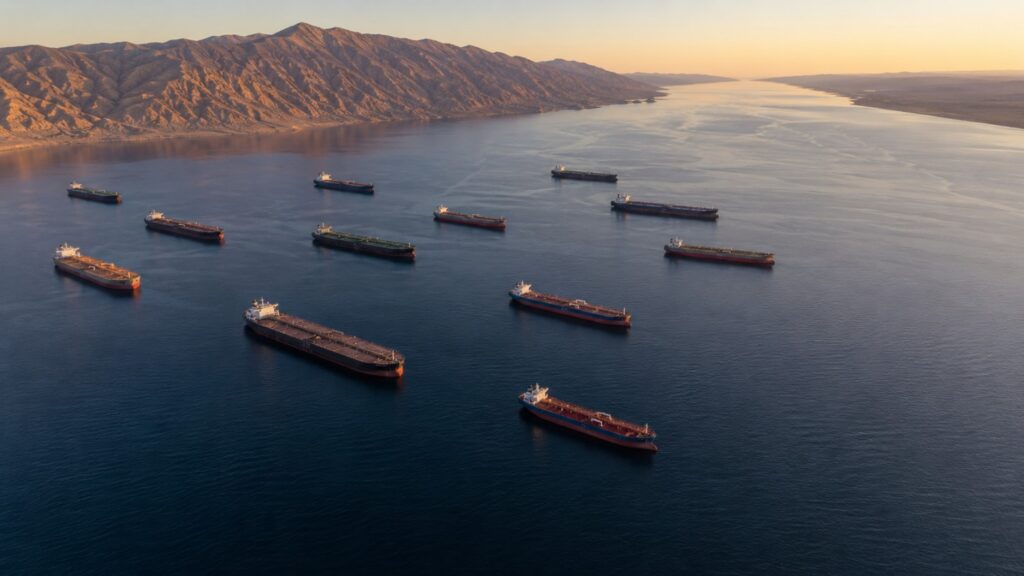
The 60-day US-Iran MOU expired this weekend with no replacement deal. Shipping through the Strait of Hormuz collapsed to zero. Oil climbed. Gold held. Here is why the non-reaction is actually the most important signal in this story.
Two Soft Inflation Prints. Gold Is Still Below $4,500. One Number Is Keeping It There.
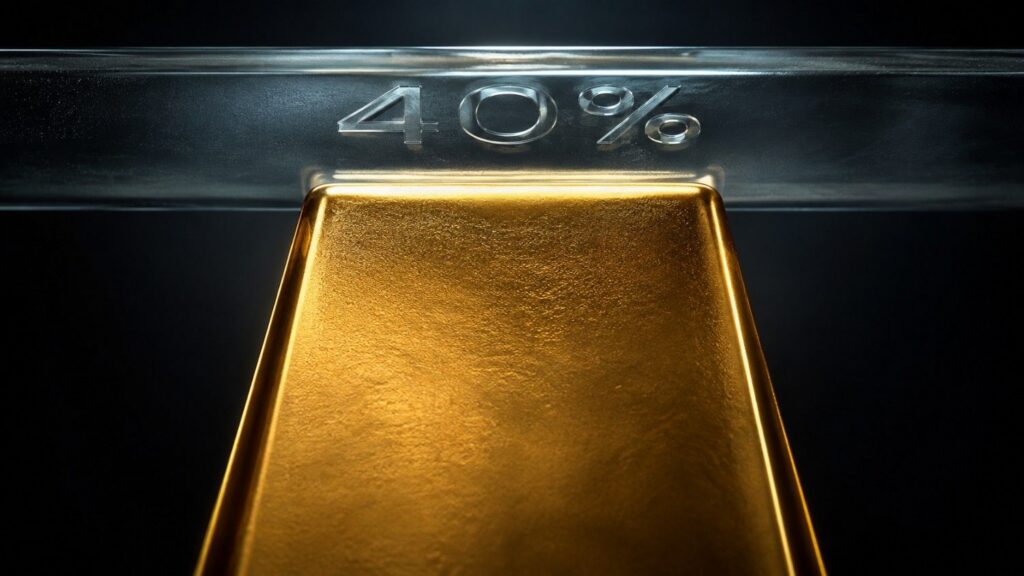
Two consecutive soft inflation prints — July PPI flat, CPI up just 0.1% — should be pushing gold through $4,500. Here is the one number keeping the ceiling in place, and the threshold to watch for when it lifts.
Trump Just Said the US Is Only ‘Semi-Negotiating’ With Iran. That One Word Changes Everything for Gold.

Trump told Axios the US is only “semi-negotiating” with Iran — comfortable letting Tehran’s collapsing economy do the work. Here is what that shift in strategy actually means for gold prices, and why the Hormuz stalemate is starting to look less like a temporary spike and more like a structural floor.
Gold Had Its Best Week Since January. Wednesday’s CPI Could Take It Back.
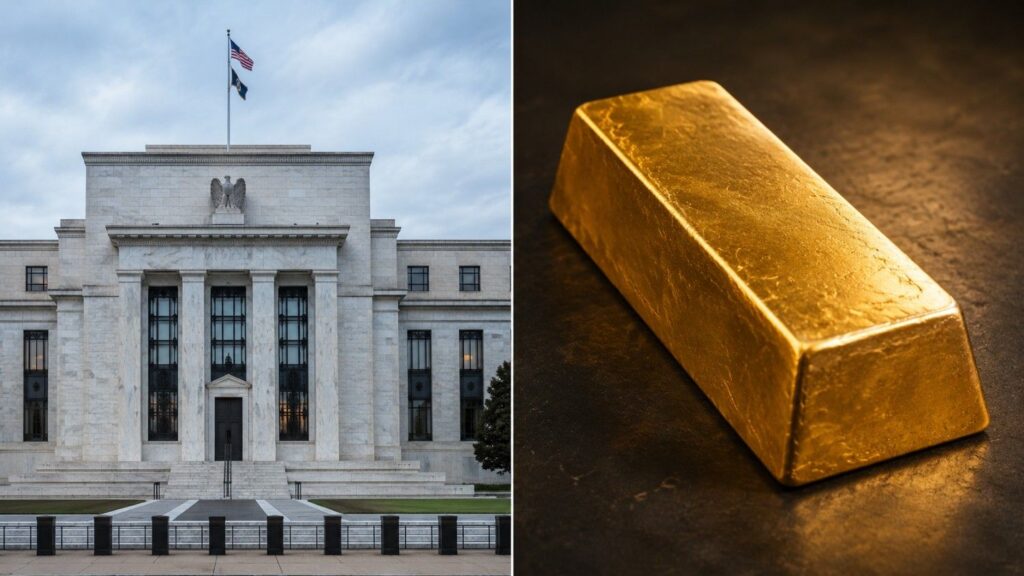
Gold pulled back Monday after its best weekly gain since January. Here is the exact mechanism behind last week’s 7% move, why Wednesday’s CPI print is the deciding factor for the September Fed decision, and what Iran’s refusal to reopen the Strait of Hormuz means for the inflation picture.
Manufacturing Hit a Four-Year High Today. Gold Didn’t Move. Here’s Why That’s the Story.
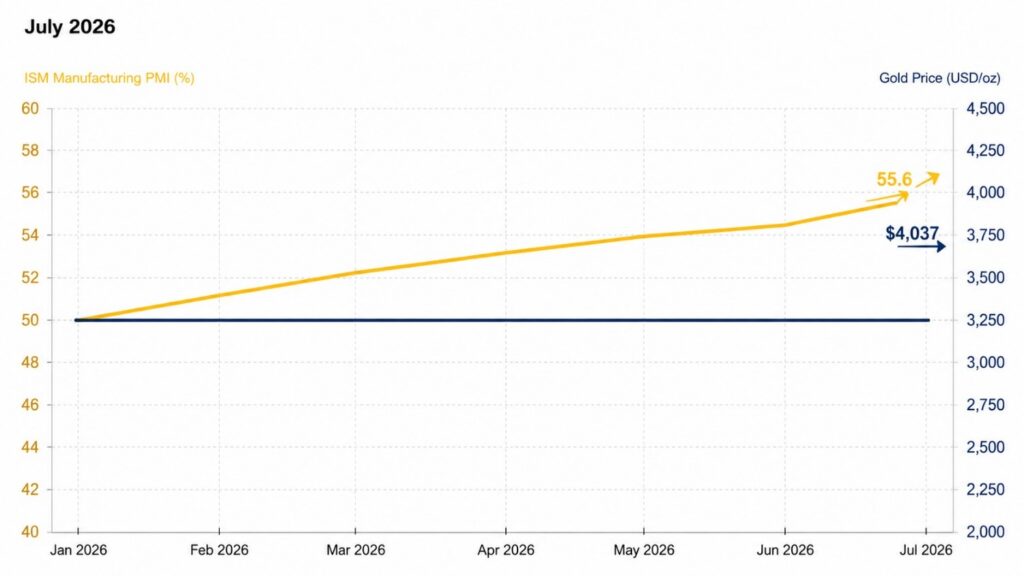
The ISM Manufacturing PMI just hit 55.6% — its strongest reading since May 2022. Gold barely moved. That non-reaction isn’t a failure to respond. It’s gold caught between two opposing forces that are almost perfectly canceling each other out, and this week’s data decides which one breaks first.
The Same Force That Crushed Gold All Year Just Flipped

The mechanism that sent gold lower for five months just ran in reverse. Trump held off a planned strike on Iran Saturday night. Oil dropped more than 5%. Gold rose. Here is why those two moves are connected — and what this week’s jobs data decides next.
Central Banks Bought 289 Tonnes of Gold Last Quarter. Prices Were Falling the Whole Time.
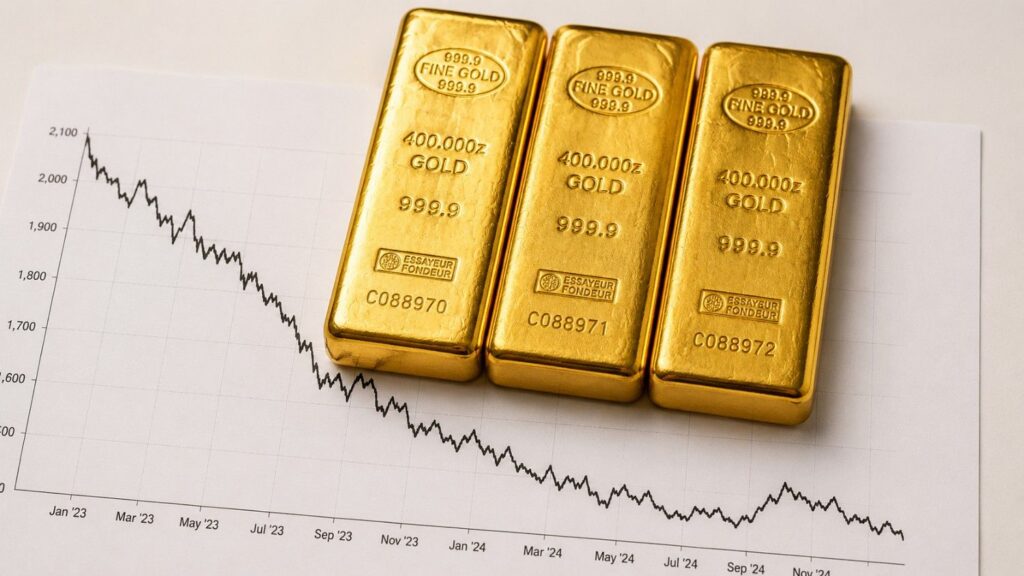
Central banks bought a record 289 tonnes of gold in Q2 2026 — while prices posted their steepest quarterly decline in a decade. The World Gold Council just published the data. Here’s what the buying pattern reveals about where the world’s largest reserve managers think the monetary system is heading.
Gold at $4,100. Silver Still Stuck Below $60. Five Signals Define the Next Six Weeks.
The Fed held rates for the fifth straight meeting. PCE cooled. Gold crossed $4,100. Silver still can’t break $60. Here are five signals defining the next six weeks before Jackson Hole.
Iran Fired Missiles. Oil Spiked 6%. Gold Fell. The Three-Step Chain Behind the Move.
Iran’s Revolutionary Guard fired ballistic missiles at US forces overnight. All were intercepted. Oil surged more than 6 percent. Gold fell. Here is the exact three-step mechanism behind the counter-intuitive move — and why the structural case for physical metal is unchanged.
Everyone Is Watching the Fed. Gold Is Watching Tomorrow at 8:30 a.m.
The Fed announces its rate decision today at 2:00 p.m. ET. But the number that will most directly determine gold’s next move arrives eight hours later — June PCE, the Federal Reserve’s preferred inflation gauge, releases Thursday at 8:30 a.m. ET. Here is the three-scenario framework that connects tomorrow’s print to your gold.


