 Silver Rises Over 120% YTD




Your Bank Balance Is Lying to You. The Number Is Real. The Wealth Isn’t.
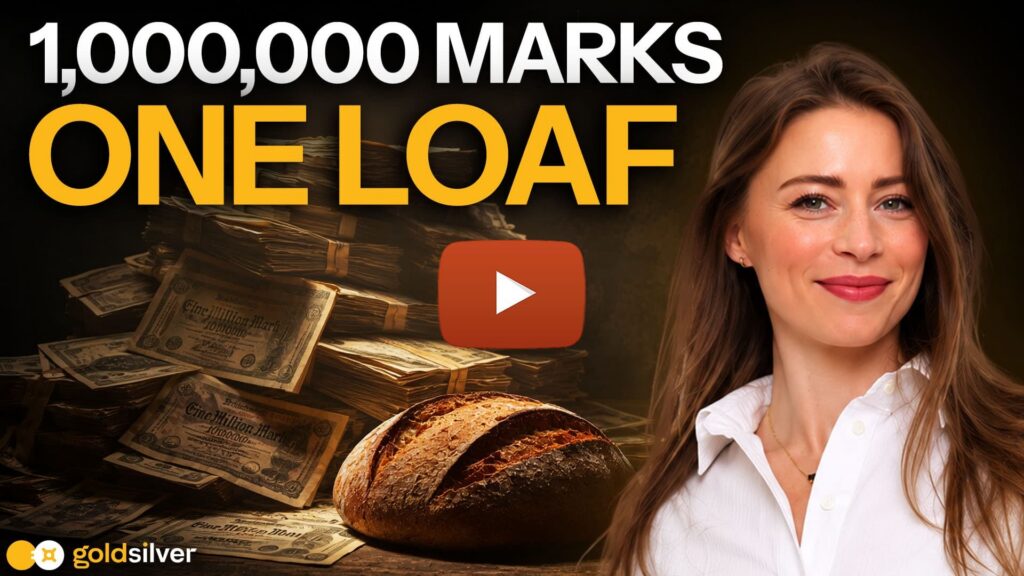
Your bank balance shows a number. That number is not your wealth — it’s a measuring stick. And measuring sticks can shrink. Megan King Diaz explains why, and what actually holds its value.
When Gold’s Price “Goes Up,” You’re Reading It Backward
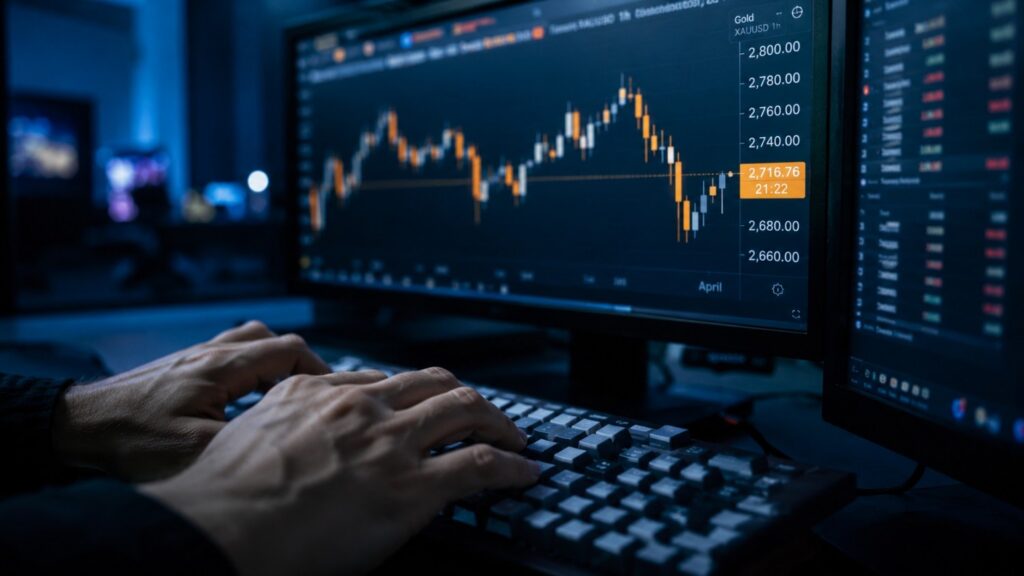
When gold’s price rises, most people think gold got more expensive. They’re reading it backward. Here’s why gold as a store of value changes how you think about money and savings.
Why Is Gold Still a Safe Haven? Switzerland’s Biggest Refiner Just Answered.

Valcambi’s incoming CEO processed 1,000 tonnes of gold last year for national banks and bullion traders. Here’s the institutional case for why gold remains a strategic safe haven in 2026 — and what central bank behavior reveals about where the global monetary system is heading.
What Do Central Banks Know About Gold That You Don’t?
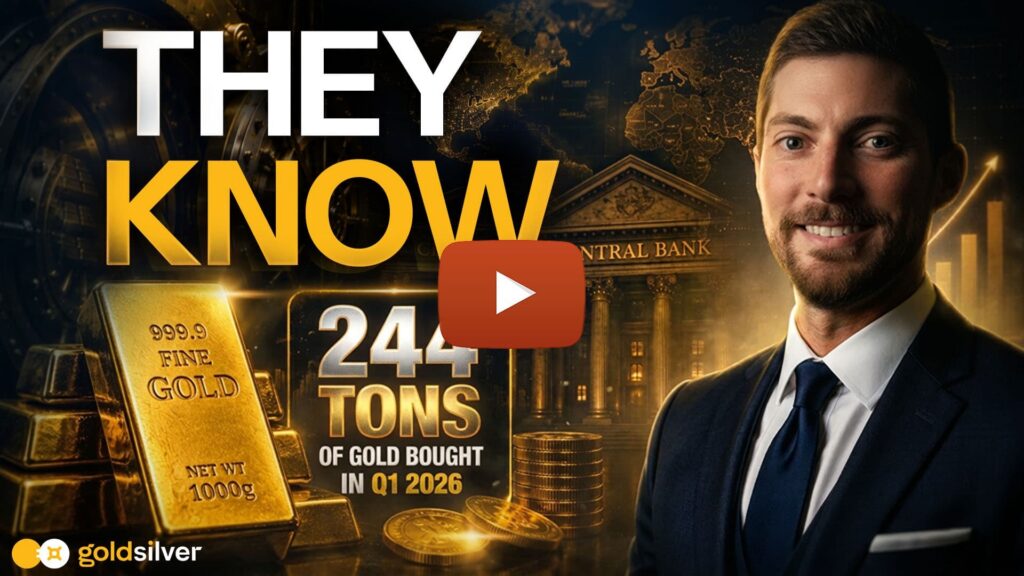
Central banks purchased a net 244 metric tons of gold in Q1 2026 — the fastest pace in over a year — despite prices hitting a record $5,405 per ounce. The World Gold Council data reveals who’s buying, who’s selling, and why this relentless accumulation at all-time highs signals a growing loss of confidence in fiat currencies. If central banks are protecting themselves regardless of price, the rest of us should be paying attention.
Silver vs. Gold: A Clear 5-Year Investment Guide (2026–2031)

Gold has crossed $5,000. Silver has broken $100. With precious metals at historic highs, the silver vs gold investment debate has never been more relevant. This guide breaks down risk profiles, industrial demand, price forecasts, and portfolio allocation strategies to help you decide how to position your precious metals holdings for 2026–2031.
Gold Purchasing Power: What History Really Shows

The Roman suit myth says gold has always bought the same amount. The real history is more complicated — and far more revealing about where gold’s value is headed.
Should You Sell Gold During a Bull Market Pullback?
Gold has pulled back 16% from its January 2026 all-time high — but history shows that selling during a bull market pullback has repeatedly cost investors the next major leg higher. Here’s how to decide.
Is Gold at Fair Value? What Three Models Say — and Where They Disagree
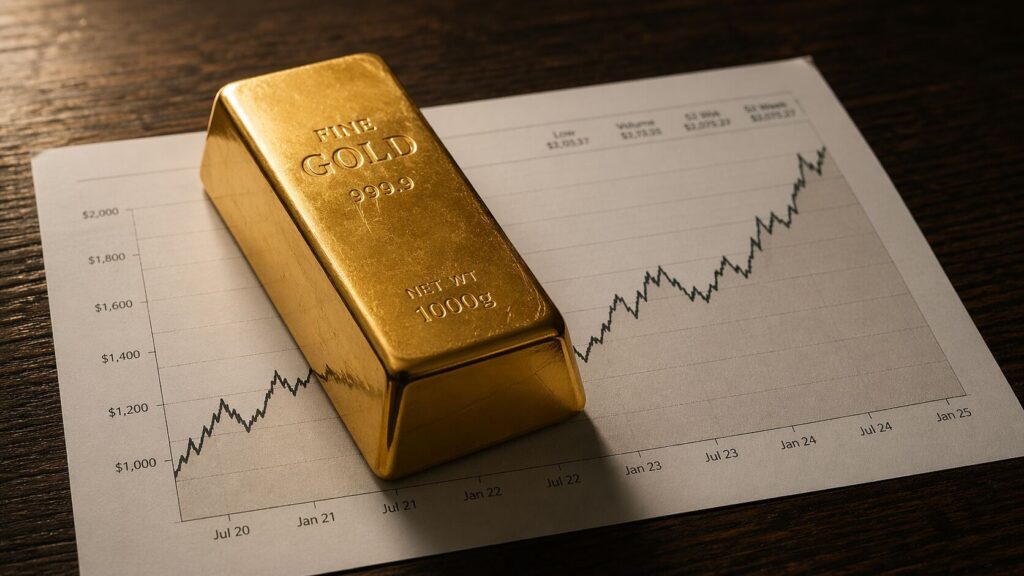
Gold is up 43% in a year and recently hit an all-time high. So is the price justified — or has the rally overshot? Three analytical models give three different answers, and understanding where they agree and where they diverge is the key to judging gold’s true worth.
Is Gold in a Bubble? What Kiyosaki’s $35K Forecast Tells Us
Gold has surged past $5,000 an ounce — but is it a bubble or a bull market? We break down what’s driving prices, evaluate Robert Kiyosaki’s dramatic $35,000 forecast, and explain what investors should actually do with their precious metals allocation right now.
Why Central Banks Are Buying Gold Again
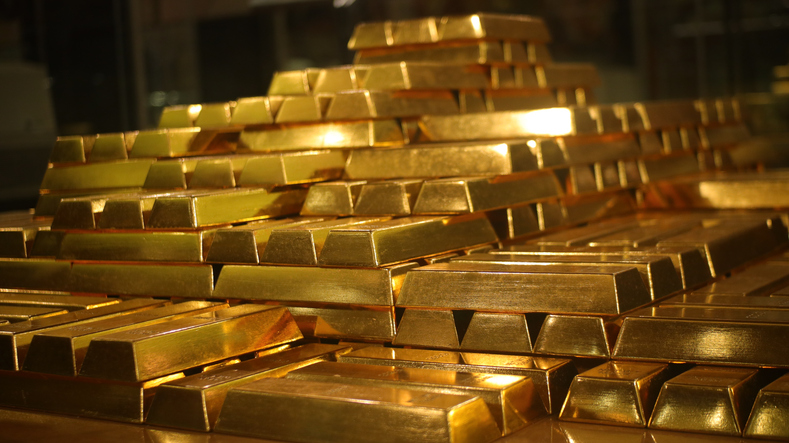
Central banks have been accumulating gold at the fastest pace since the 1950s. Discover the economic, geopolitical, and monetary forces driving this historic shift in global reserve strategy—and what it means for investors.


