 Silver Rises Over 120% YTD




Dollar vs Gold Relationship: Why They Often Move in Opposite Directions
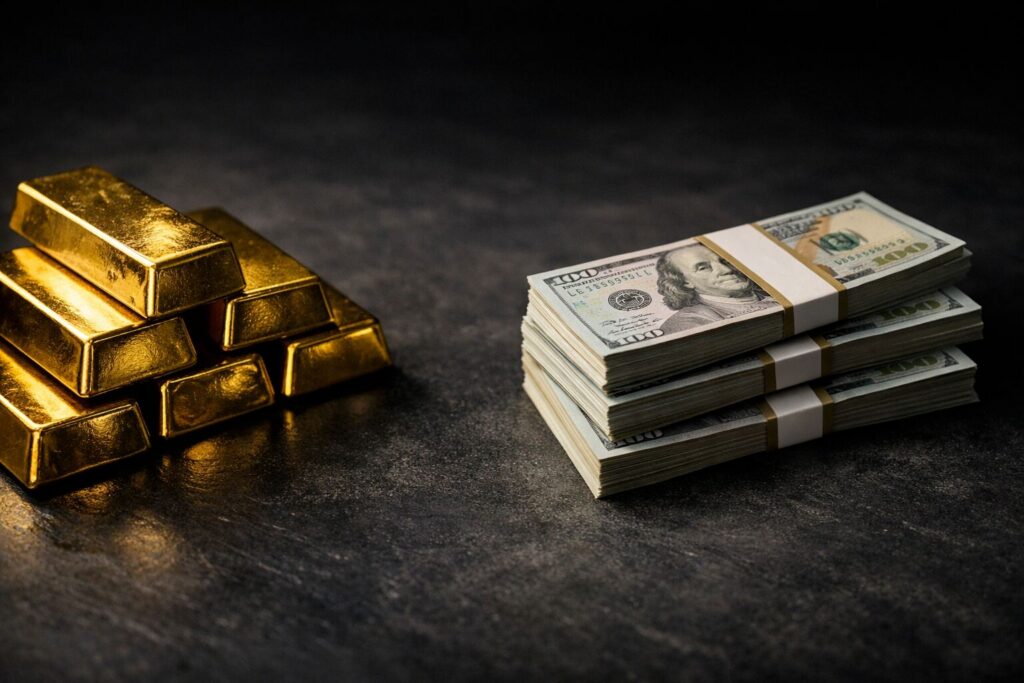
When the U.S. dollar weakens, gold prices typically rise — and vice versa. This inverse relationship between gold and the dollar is one of the most consistent patterns in global markets, driven by gold’s dollar-denominated pricing, competing safe-haven demand, and Federal Reserve interest rate policy. But the relationship isn’t absolute. Central bank gold buying, geopolitical risk, and shifting real yields can all disrupt the traditional correlation. Here’s what every investor needs to understand about the dollar vs gold relationship and what it means for your portfolio.
London Gold Fixing: Key Factors That Influence Global Gold Prices
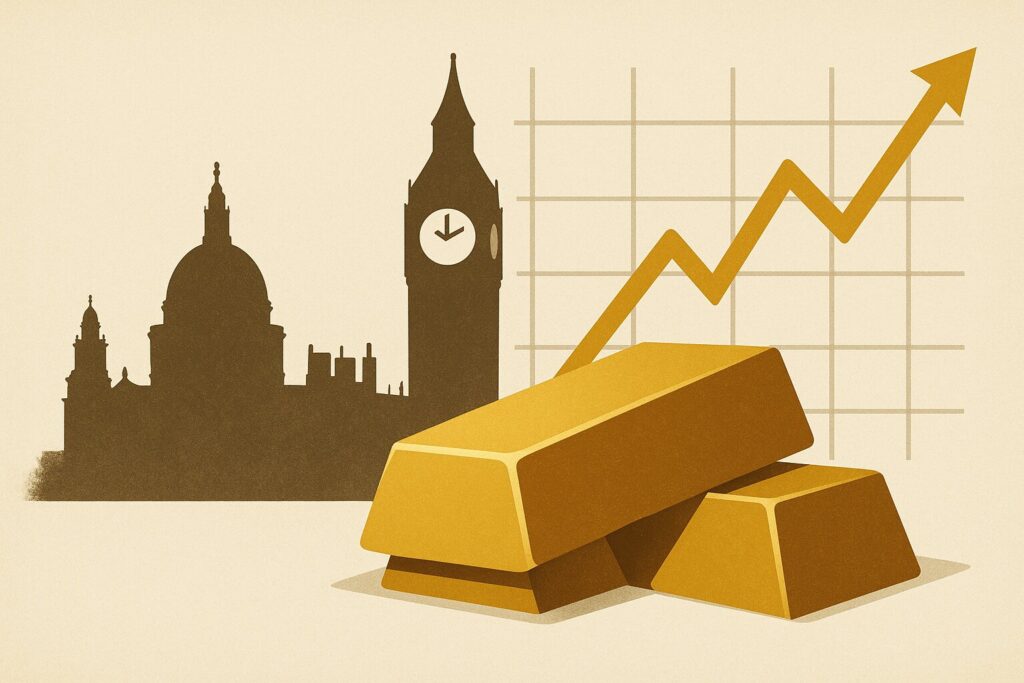
For more than a century, the London Gold Fixing—now the LBMA Gold Price—has set the benchmark that guides global gold transactions. Today’s transparent, twice-daily electronic auctions reflect real-time supply and demand, shaped by central bank policies, inflation, currency movements, geopolitics, and physical market fundamentals. Understanding these forces helps investors interpret price movements and make more informed decisions in the precious metals market.
Gold’s Quickest $500 Climb in History

“On average, gold takes 1,708 days to climb $500 increments, but this latest jump took just 210 days,” notes Taylor Burnette, Research Lead at the World Gold Council.


