 Silver Rises Over 120% YTD




What Is the Gold Volatility Index (GVZ) — and What Does It Mean for You?
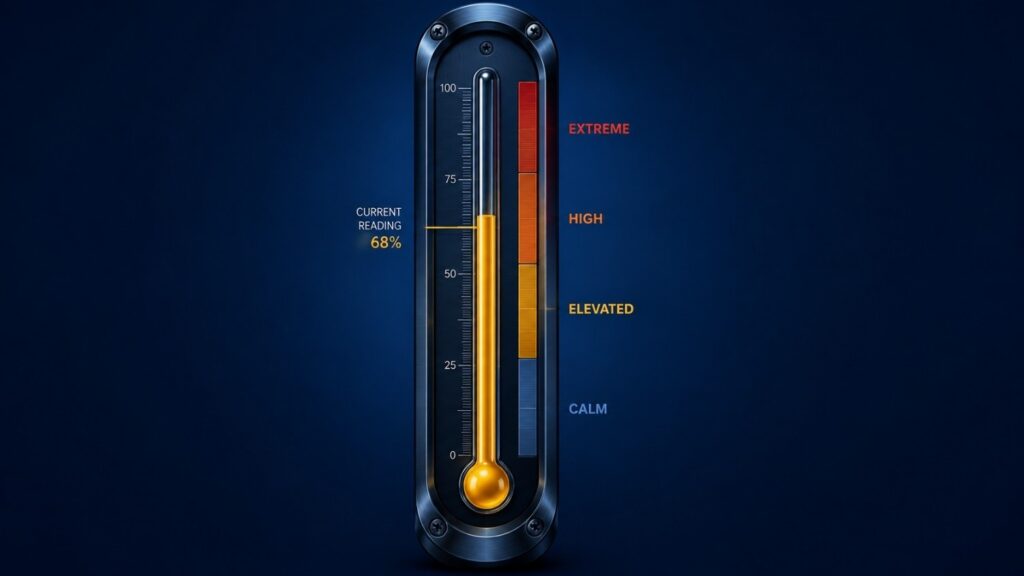
The GVZ (Cboe Gold ETF Volatility Index) measures what options traders expect gold prices to do over the next 30 days — using the same methodology as the VIX, applied to GLD options. Here’s what the historical regimes mean, why GVZ can spike during a gold bull market, and what it actually signals for long-term physical gold holders.
China Ends Paper Gold Trading July 24. For Physical Holders, That’s a Confirmation.
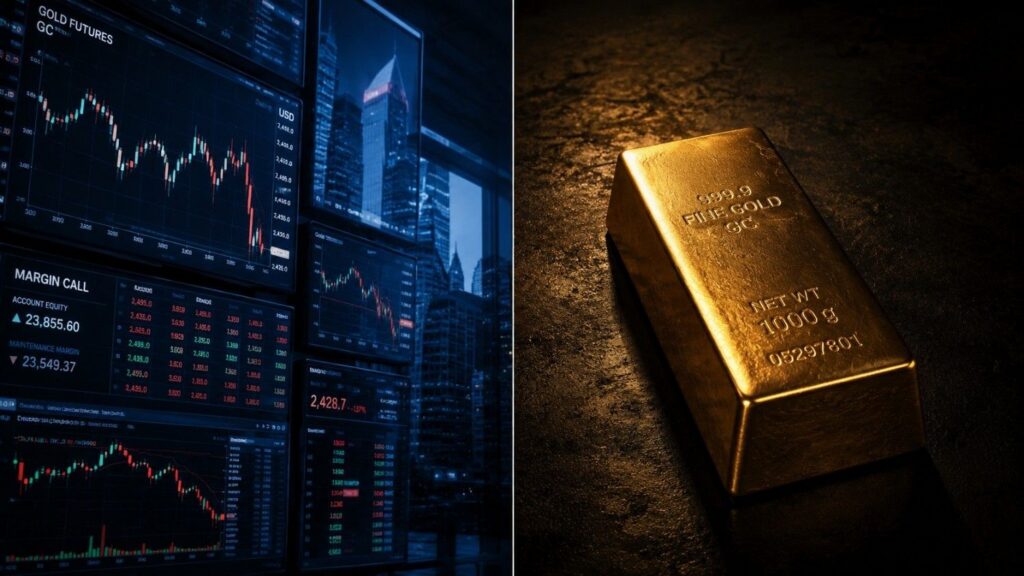
China’s largest banks are terminating retail leveraged gold trading on the Shanghai Gold Exchange after July 24, 2026. Here’s what the shutdown removes from the market — and why it confirms the structural case for physical gold ownership.
Why HSBC Still Believes Gold Hits $4,750 by Year-End (And What the Mainstream Is Missing)
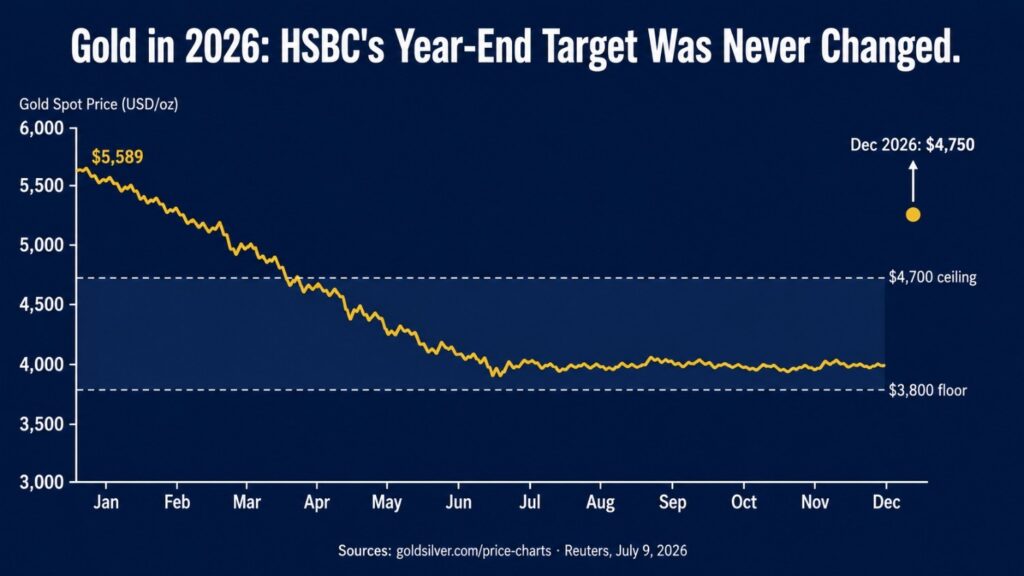
HSBC cut its 2026 average gold forecast by $304 on July 9. It left its year-end target at $4,750 unchanged. That gap between the two numbers is what the mainstream missed — and it tells you everything about where gold goes from here.
Why China’s Gold Buying Spree Outweighs India’s Pause

China’s bar and coin gold demand hit a record 207 tonnes in Q1 2026 while India paused on a 15% import duty hike. Here’s why the divergence matters — and what it means for your physical gold allocation.
Warsh Told Wall Street to Stop Watching the Fed. Gold Already Knew.
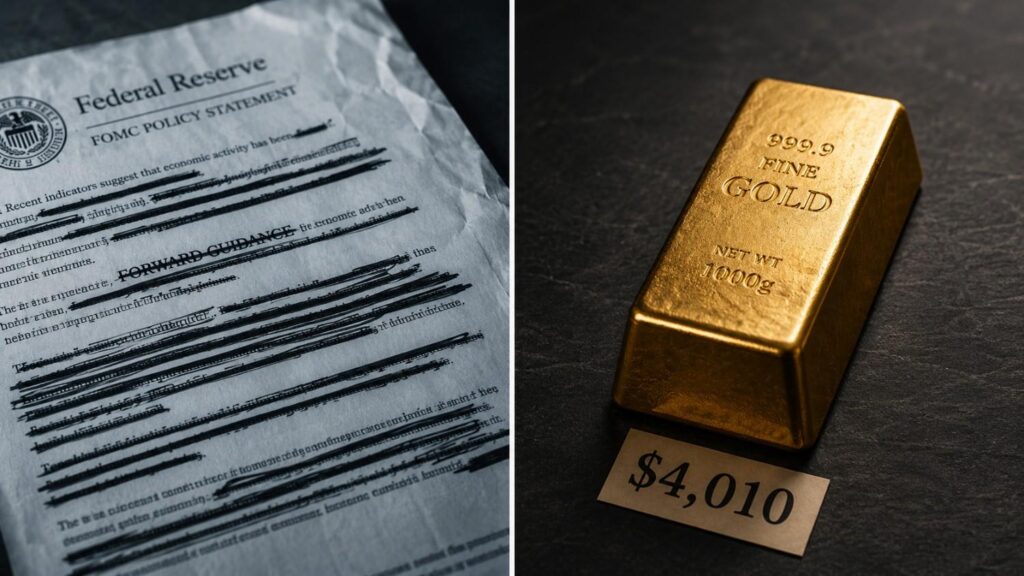
Fed Chair Warsh told Congress to stop trading his guidance and start trading the data. Gold price and Fed policy in 2026 now run on the same rulebook physical holders have always used. Here’s the mechanism behind today’s $4,007 close — and the one number that determines what happens next.
Why Hong Kong? Inside GoldSilver’s Offshore Gold Storage Network

GoldSilver stores your gold in Hong Kong through a Malca-Amit vault adjacent to Hong Kong International Airport, inside a Free Trade Zone, insured by Lloyd’s of London. Here is exactly how it works — and why the location matters.
Gold Is Flat. Oil Is Up 9%. Here’s Why.

Oil is up more than 9% in five days. The Strait of Hormuz is nearly closed. Gold is flat. That is not a contradiction — it is the difference between supply-chain inflation and monetary inflation, and it matters for every long-term holder.
Why the 10-5-3 Rule Fails Gold and Silver Investors

Excerpt:
The 10-5-3 rule helps investors set return expectations for stocks, bonds, and cash. But gold and silver aren’t paper assets — and measuring them with a framework built for yield and earnings leads to the wrong conclusions every time. Here’s what precious metals investors use instead.
Gold Price Outlook July 2026: The Price Fell. Case Intact.

Gold trades 28% below its January record as Fed rate-hike expectations weigh on real yields. The structural case — central bank buying, fiscal expansion, reserve diversification — has not reversed. Here is what the macro picture means for gold holders in July 2026.
Buying the Top: A Survival Guide for Gold and Silver Investors
Gold hit $5,589 in January 2026. It trades near $4,100 today. If you bought near the top, your paper loss is real — but it is not final. This guide walks through your three strategic paths: hold patiently, dollar-cost average at lower prices, or harvest the tax loss and immediately repurchase. The structural case for gold has not changed. The price has.


