 Silver Rises Over 120% YTD




Dollar vs Gold Relationship: Why They Often Move in Opposite Directions
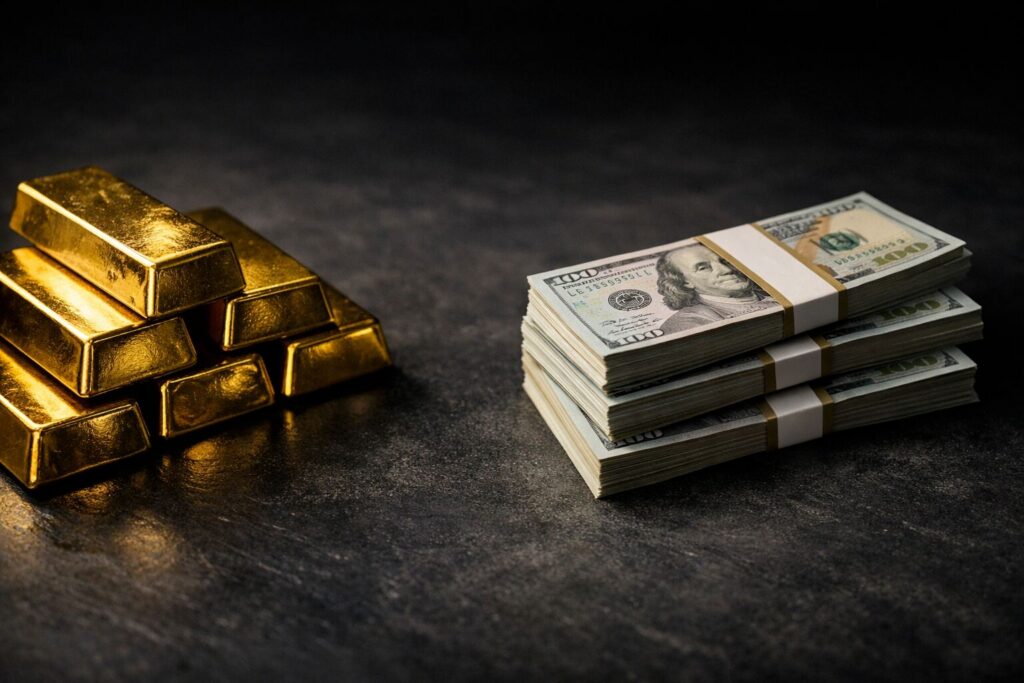
When the U.S. dollar weakens, gold prices typically rise — and vice versa. This inverse relationship between gold and the dollar is one of the most consistent patterns in global markets, driven by gold’s dollar-denominated pricing, competing safe-haven demand, and Federal Reserve interest rate policy. But the relationship isn’t absolute. Central bank gold buying, geopolitical risk, and shifting real yields can all disrupt the traditional correlation. Here’s what every investor needs to understand about the dollar vs gold relationship and what it means for your portfolio.
Why $5,000 Gold May Be Just the Beginning
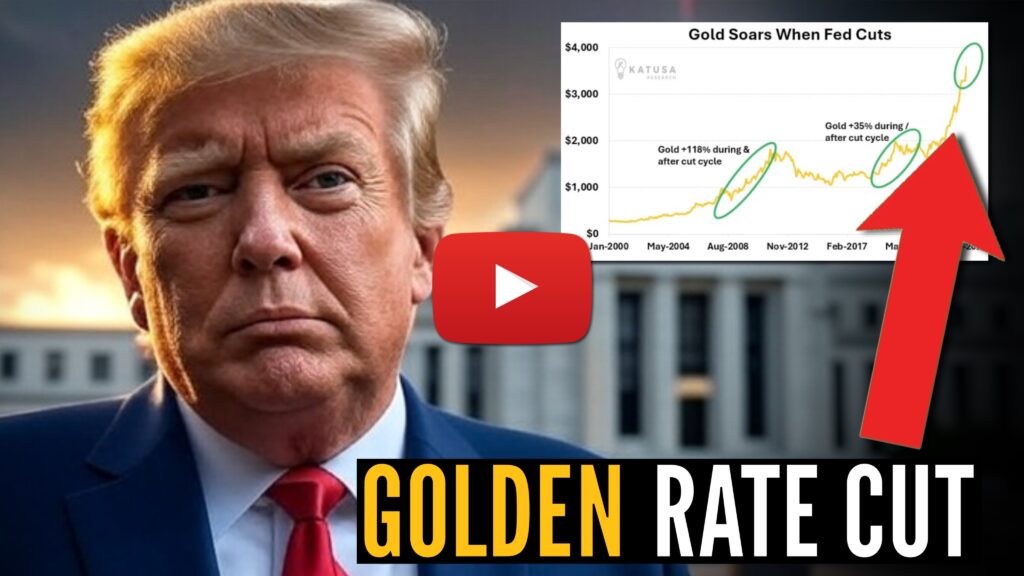
Goldman Sachs recently made headlines predicting that gold could reach $5,000 per ounce if Donald Trump undermines the Federal Reserve’s independence. But as Mike Maloney and Alan Hibbard explain on the latest GoldSilver Show, that estimate may be far too low. In fact, history, central bank behavior, and global buying patterns all suggest much higher levels are possible. Wall Street Finally Wakes Up For years, major banks like Goldman Sachs and JPMorgan dismissed gold as an investment. When gold traded at $400 or $700 an ounce, they urged investors to look elsewhere. Now, with gold having surged over 40% in […]


