 Silver Rises Over 120% YTD




Why Is Silver Leaving COMEX Vaults? What Investors May Be Missing
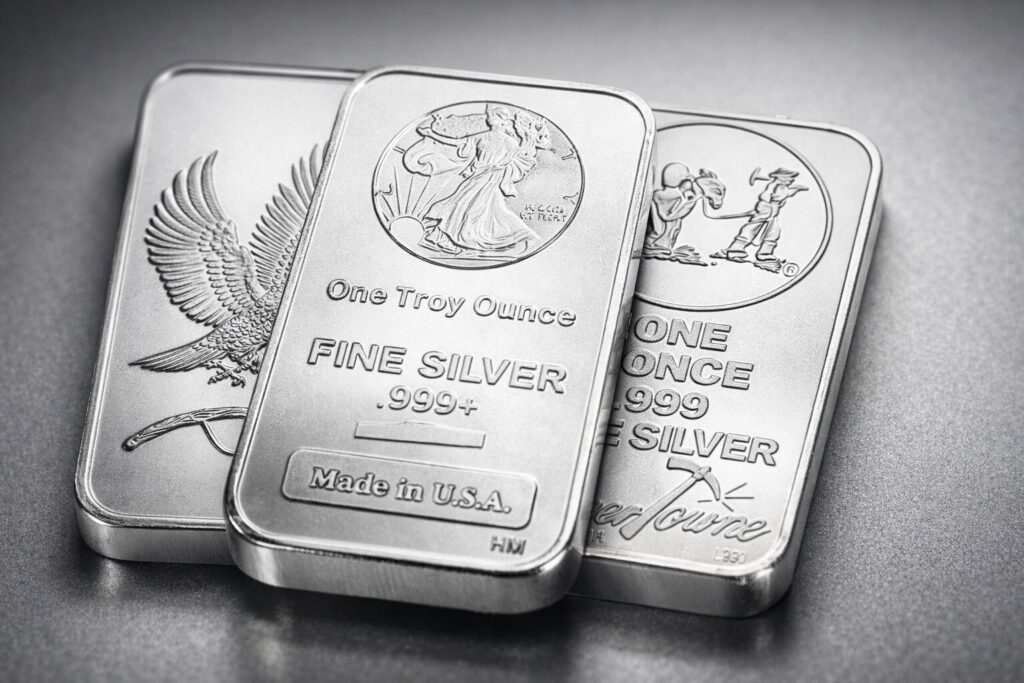
Why is silver leaving COMEX vaults? Many investors assume shrinking inventories signal a coming silver squeeze. But COMEX deliveries, warehouse warrants, and inventory shifts don’t always mean metal is physically leaving the system. Here’s what the data really shows.
Why Silver Is More Volatile Than Gold (And Why It Matters for Investors)
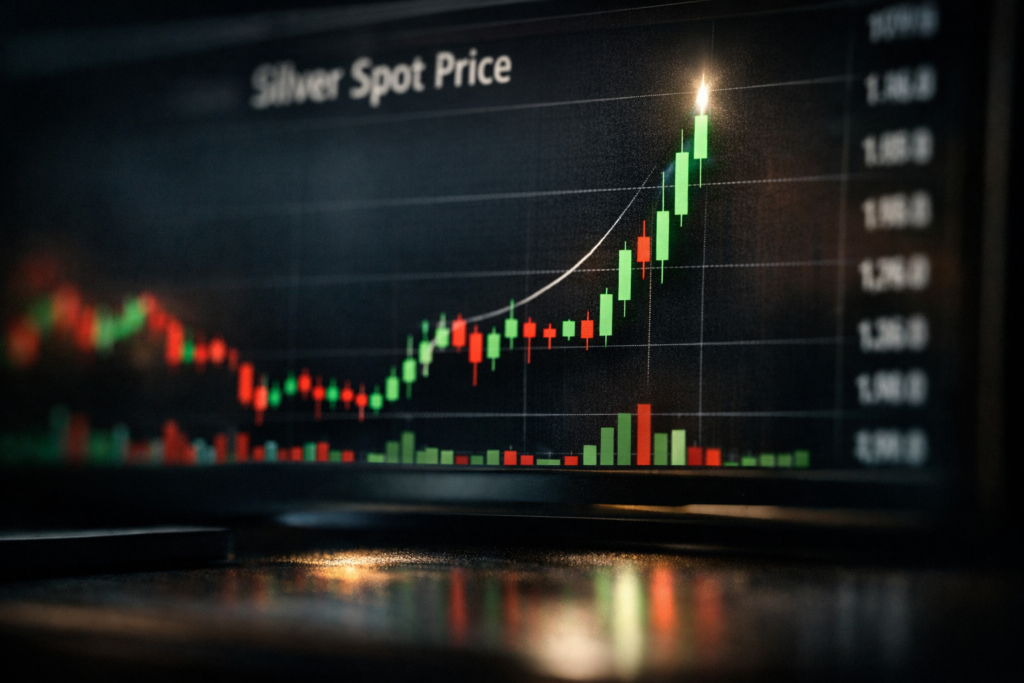
Silver often moves more dramatically than gold—but the reason isn’t random. Learn why silver is more volatile than gold, from its smaller market and rigid supply to industrial demand and leveraged futures trading. Understanding these forces can help investors better navigate silver’s bigger price swings.
Are Silver Investors Watching the Wrong Numbers?
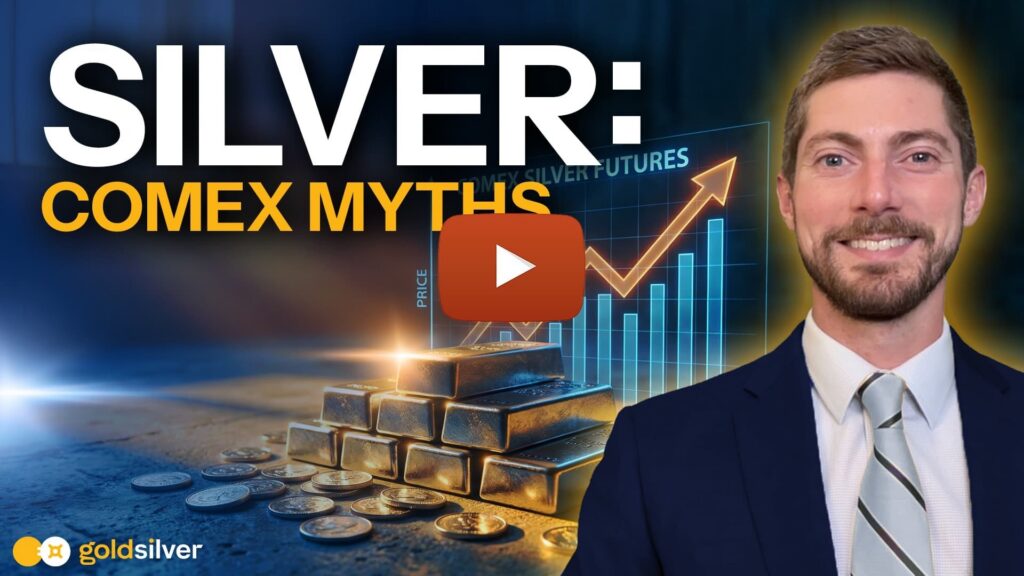
Many silver investors believe rising COMEX deliveries, falling registered inventory, and physical movement should directly drive price. But the data tells a different story. In this analysis, Alan Hibbard explains three common COMEX silver delivery misconceptions and breaks down how the silver market actually works — from futures price discovery to settlement, warehouse accounting, and logistics. Understanding these mechanics can help investors avoid misleading narratives and make steadier decisions in volatile markets.
Why Silver Moves Like This — Understanding Silver Volatility

Silver’s violent price swings aren’t anomalies or conspiracies — they’re structural. This breakdown explains why silver is so volatile, from thin investable markets and rigid supply to leverage, futures trading, and feedback loops that amplify every move.


