 Silver Rises Over 120% YTD




Gold vs Silver: The Liquidity Difference That Matters
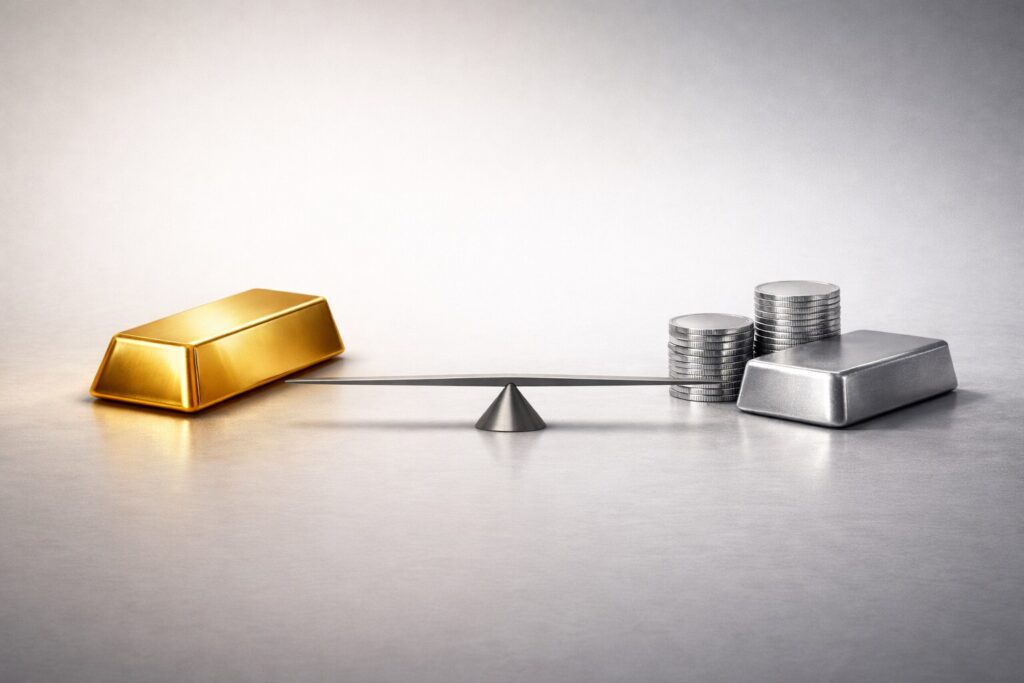
Liquidity isn’t just about whether you can sell—it’s about how fast, how cleanly, and at what cost. Gold and silver both trade globally, but they don’t behave the same way when markets are stressed or timing matters. Gold maintains tight spreads and deep buyer networks even under pressure, while silver’s liquidity becomes complicated as dollar values increase. Understanding these practical differences helps investors allocate intelligently and avoid costly surprises when they need to act.
Gold vs Silver Storage and Liquidity: What Investors Need to Know
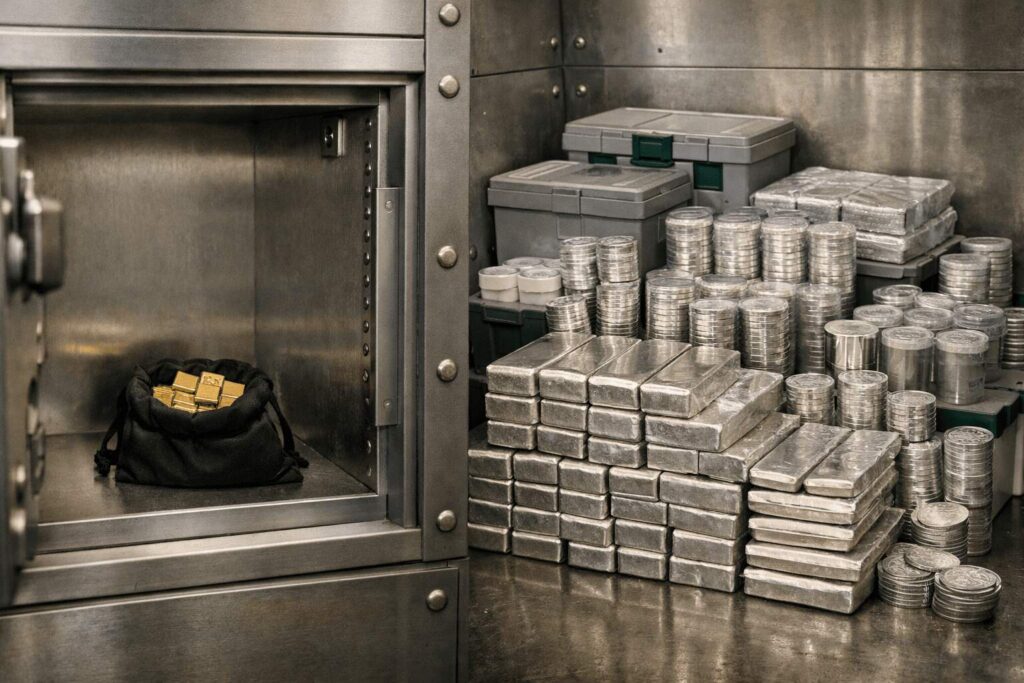
Most investors compare gold and silver by watching price charts—but that’s a mistake. The real differences don’t show up on a screen; they show up after you own them. Gold concentrates massive value into a small, portable form. Silver spreads that same value across weight, volume, and bulk. Understanding gold vs silver storage and liquidity matters far more than guessing where prices go next—because price is temporary, but ownership is permanent.
Silver Price Components: Premium, Spot, and Dealer Markup Explained
If you’ve ever wondered why physical silver trades above the spot price, the answer lies in how silver is priced. This article breaks down silver price components—spot, premiums, and dealer markup—and explains why bid/ask spreads widen during periods of high prices, tight credit, and refining bottlenecks.
Why Bid-Ask Spreads Matter for Precious Metals Investors
Imagine walking into a gold dealer’s shop. You see gold trading at $2,000 per ounce on the news, but when you ask to buy, the dealer quotes $2,040. When you ask what they’d pay if you were selling, they say $1,960. That $80 difference? That’s the bid-ask spread in action. The bid-ask spread is the difference between what dealers pay you (the bid price) and what they charge you (the ask price). It’s essentially the cost of doing business in precious metals — and it directly impacts your investment returns. Think of it as the “toll” you pay to enter […]
Gold & Silver Liquidity Explained: How It Impacts Your Investment Strategy

When you’re investing in precious metals, it’s not just about price performance — it’s about liquidity. Liquidity determines how quickly and easily you can convert your assets into cash without taking a hit on value. For investors seeking both security and flexibility, understanding the differences between gold and silver liquidity is essential. Understanding Precious Metals Liquidity Gold has long been considered the ultimate monetary asset. Its universal recognition, deep markets, and relatively low volatility make it easy to buy or sell virtually anywhere in the world. This gives gold superior liquidity and positions it as the cornerstone of wealth preservation […]


