Silver Rises Over 120% YTD


You Don’t Need to Take Delivery to Sell Your Gold. Here’s What Actually Happens.

Most investors assume selling vaulted gold means shipping it back first. If it’s allocated, that’s not how it works — here’s the mechanism, the fees, and when delivery is still the right call.
A Gold Dealer Just Failed Holding Zero Gold. Here’s What That Means for Yours.
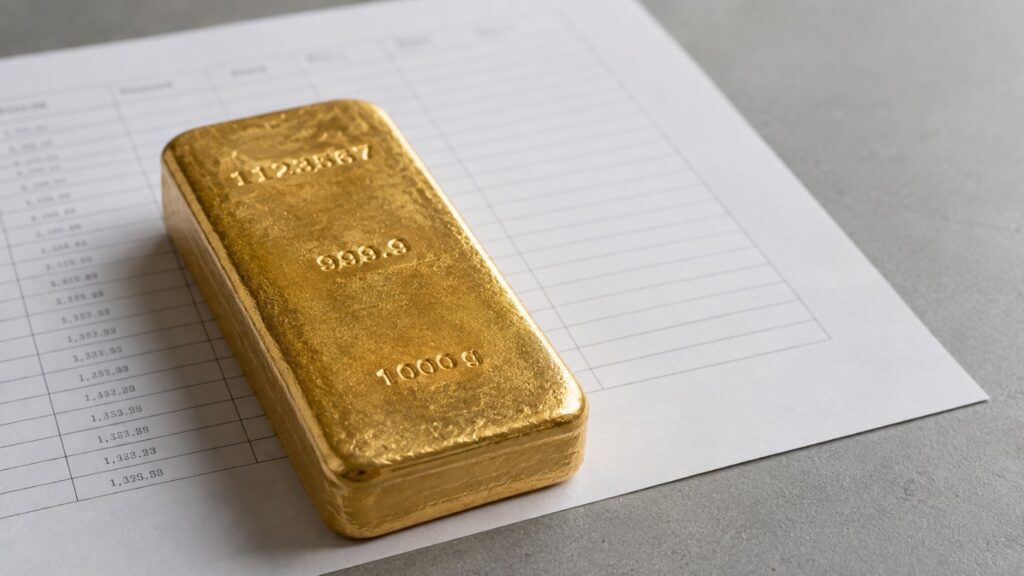
Allocated storage makes specific bars your legal property. Unallocated storage makes you an unsecured creditor. A company that failed holding zero gold, and a 1994 court ruling, show why that one distinction decides everything.
Silver Price Prediction: One Bank Cut Its Target 30%, and the Reason Wasn’t the Fed
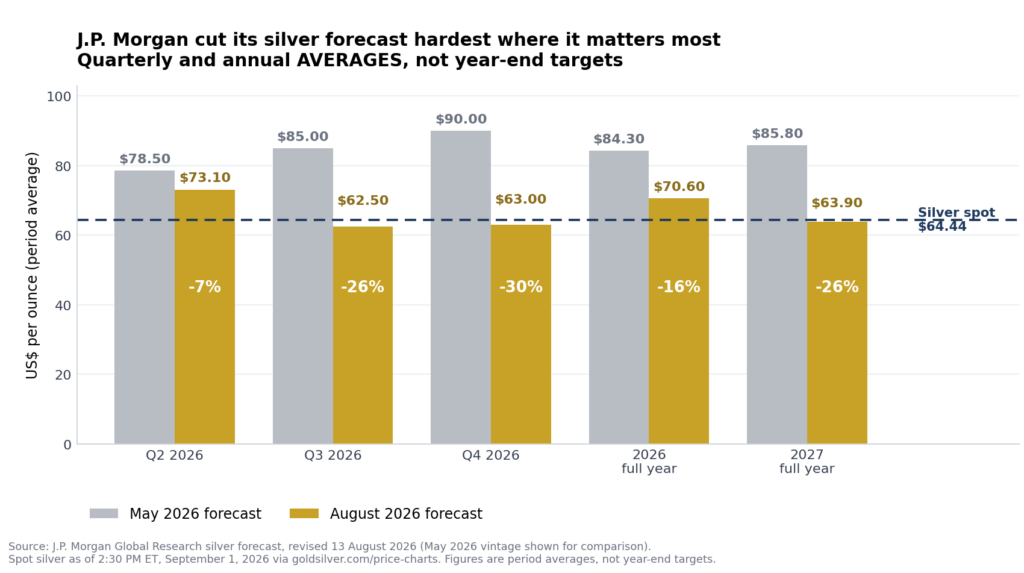
J.P. Morgan cut its Q4 silver forecast from $90 to $63, and silver already trades above it. The driver was solar demand, not the Fed. Gregory Shearer sizes the decline at roughly 60 million ounces, which is larger than 2026’s 46.3 million ounce deficit.
COMEX Registered Gold Just Fell Below 15 Million Ounces. It’s Still Refilling.

Five stories from the last few days show physical gold and silver demand outrunning the system’s capacity to store, clear, and settle it — from a Wall Street vault to a German household balance sheet.
Silver Bullion Buying Guide 2026: Coins, Bars, and Rounds Compared
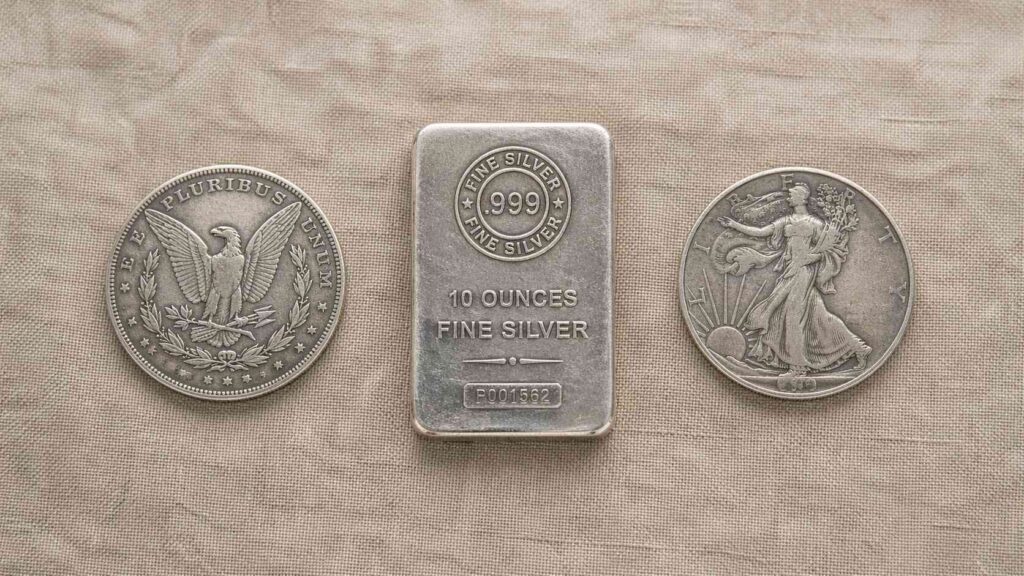
Silver hit an all-time high of $121.64 in January 2026 and has since pulled back 34%. Before you buy, here’s how coins, bars, and rounds compare on premiums, liquidity, and IRA eligibility.
How to Buy Silver Bars: The Investor’s Guide

Silver bars offer the lowest premiums in physical silver — but size, refiner, and storage choices matter. Here’s what serious buyers need to know about premiums, LBMA accreditation, IRA eligibility, and the current supply deficit.
How to Store Gold at Home: Safes, Security and Insurance

Most people buy a safe and think the problem is solved. The real vulnerabilities — wrong location, no insurance coverage, no one who knows it exists — are the ones that cost them. Here’s what actually protects physical gold at home.
Gold vs Silver: The Liquidity Difference That Matters

Liquidity isn’t just about whether you can sell—it’s about how fast, how cleanly, and at what cost. Gold and silver both trade globally, but they don’t behave the same way when markets are stressed or timing matters. Gold maintains tight spreads and deep buyer networks even under pressure, while silver’s liquidity becomes complicated as dollar values increase. Understanding these practical differences helps investors allocate intelligently and avoid costly surprises when they need to act.
Gold vs Silver Storage and Liquidity: What Investors Need to Know
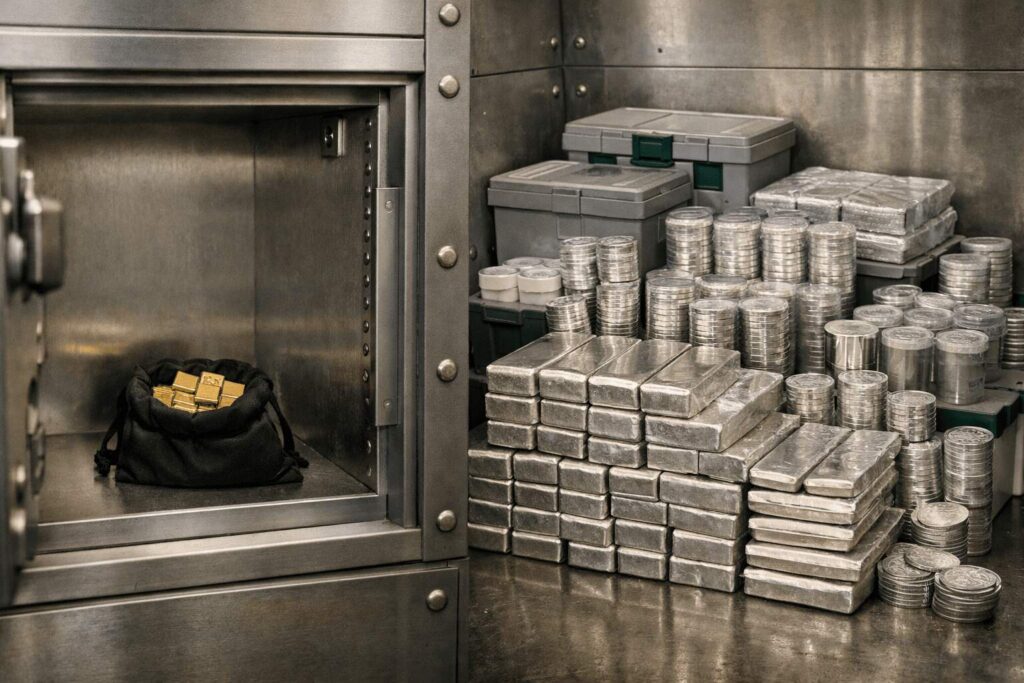
Most investors compare gold and silver by watching price charts—but that’s a mistake. The real differences don’t show up on a screen; they show up after you own them. Gold concentrates massive value into a small, portable form. Silver spreads that same value across weight, volume, and bulk. Understanding gold vs silver storage and liquidity matters far more than guessing where prices go next—because price is temporary, but ownership is permanent.
Where Should You Store Silver? Home vs. Bank vs. Vault

Home safes, bank boxes, and professional vaults all protect silver differently. This guide compares the real costs, insurance limits, and legal risks of each, including the allocated-versus-pooled storage distinction most guides skip.