 Silver Rises Over 120% YTD




The US Has Over $1 Trillion in Gold. Washington Carries It on the Books at $11 Billion.
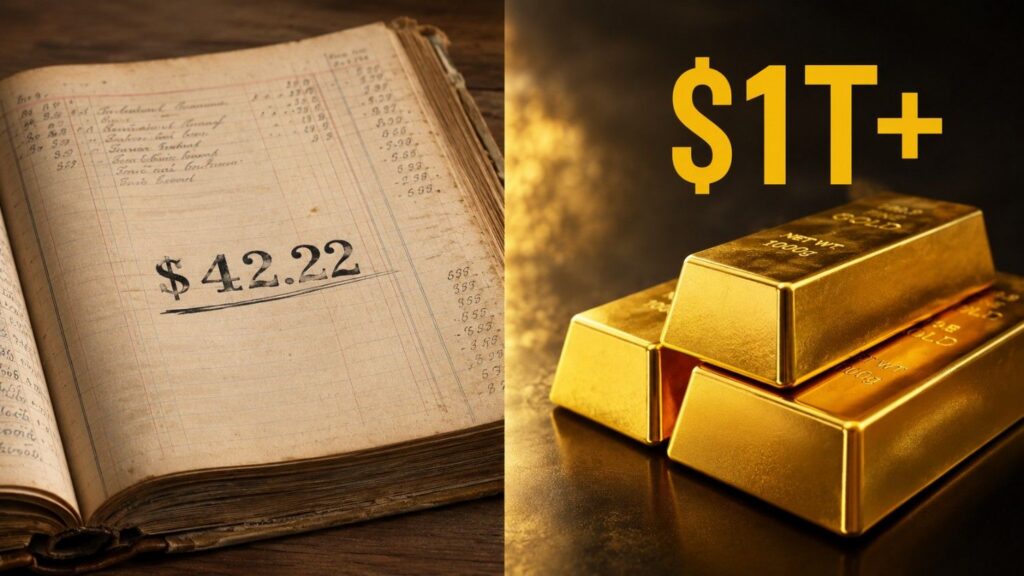
The US government holds more gold than any entity on earth. At market prices, that stockpile is worth over $1 trillion. On the government’s books, it is worth $11 billion. The gap between those two figures is not an accounting error — it is what happens when a monetary system abandons hard money and never updates its own math.
Why Is Everything So Expensive? The Real Reason Explained

Everything you feel is wrong with the economy is real. Housing, wages, debt, and inflation aren’t separate problems — they share one cause. Here’s the mechanism, and why gold and silver have responded the way they have.
Gold Is Down 26%. Silver Is Down 51%. What Does the Stacker Do Now?

Gold and silver have pulled back sharply from their January 2026 peaks. The structural case — six consecutive silver deficits, 863 tonnes of central bank gold buying, and a gold-silver ratio above its long-run average — has not changed. This guide covers the floor thesis, how to read the GSR as a strategic compass, and how dollar-cost averaging turns volatility into an advantage.
Gold Is About to Trade 24/7. A Prediction Market Just Filed to Make It Never Expire.
CME starts 24/7 gold futures trading this Sunday. Kalshi just filed for gold contracts that never expire. Here is what both changes mean for physical gold owners.
Gold Allocation Calculator: How Much Should Your Portfolio Actually Hold?

How much gold should your portfolio hold? The generic 5–10% guidance comes from 1980s research. Updated analysis puts the optimal range higher — and the right number for you depends on specific variables you can calculate.
What Is the Gold Volatility Index (GVZ) — and What Does It Mean for You?
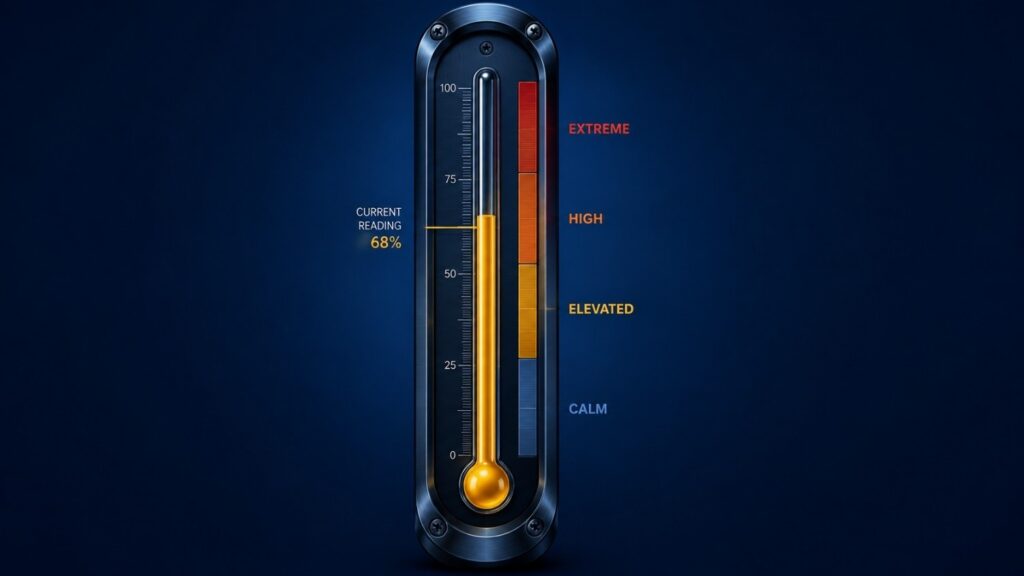
The GVZ (Cboe Gold ETF Volatility Index) measures what options traders expect gold prices to do over the next 30 days — using the same methodology as the VIX, applied to GLD options. Here’s what the historical regimes mean, why GVZ can spike during a gold bull market, and what it actually signals for long-term physical gold holders.
Gold & Silver Market Correction: Is the 2026 Bull Market Over?

Gold fell nearly 28% from its January 2026 all-time high. Silver dropped over 52%. Here is what caused the correction, why the structural bull case remains intact, and what central banks, the WGC, and institutional forecasters say about where gold and silver go from here.
China Ends Paper Gold Trading July 24. For Physical Holders, That’s a Confirmation.
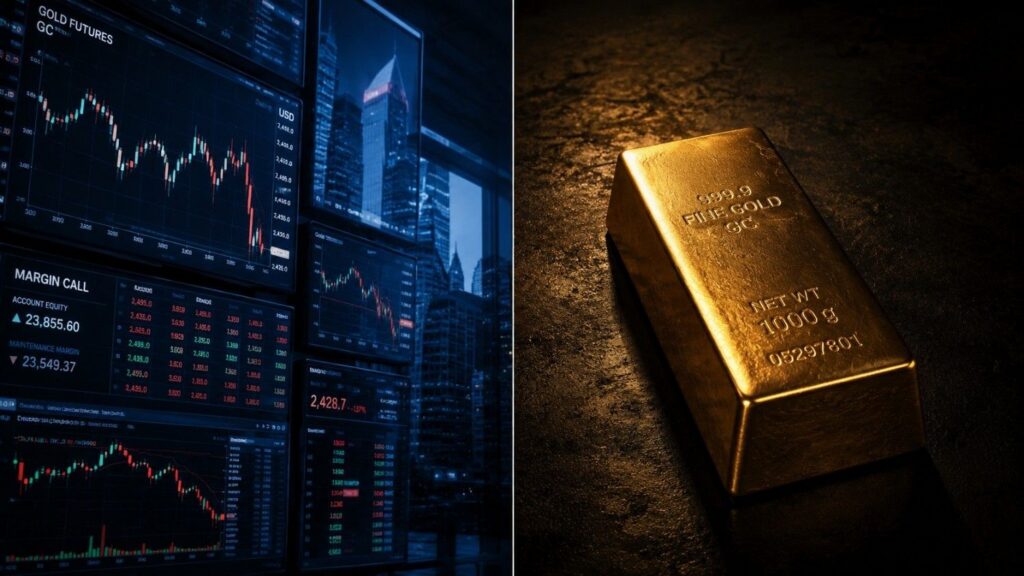
China’s largest banks are terminating retail leveraged gold trading on the Shanghai Gold Exchange after July 24, 2026. Here’s what the shutdown removes from the market — and why it confirms the structural case for physical gold ownership.
Hong Kong Just Ran Its First Gold Settlement. The Banks Who Did It Also Run London’s.

Hong Kong’s Precious Metals Central Clearing Company ran its first institutional gold settlements on July 7, 2026. Four of the banks behind it — HSBC, JPMorgan, UBS, and Citi — also run London’s gold clearing system. Here is what that tells you about where gold pricing power is heading.
State Street Predicts $5,500 Gold by Q1 2027: Is the Dip Over?

State Street’s July 2026 Monthly Gold Monitor targets $5,000 per ounce into early 2027, with a 70% probability baseline range of $4,750–$5,500. Here is the structural case behind the forecast — record global debt, central bank buying, and a stock-bond correlation breakdown — and what a gold recovery means for silver’s high-beta setup.


