 Silver Rises Over 120% YTD




Everything You Need to Know About Fractional Gold Coins
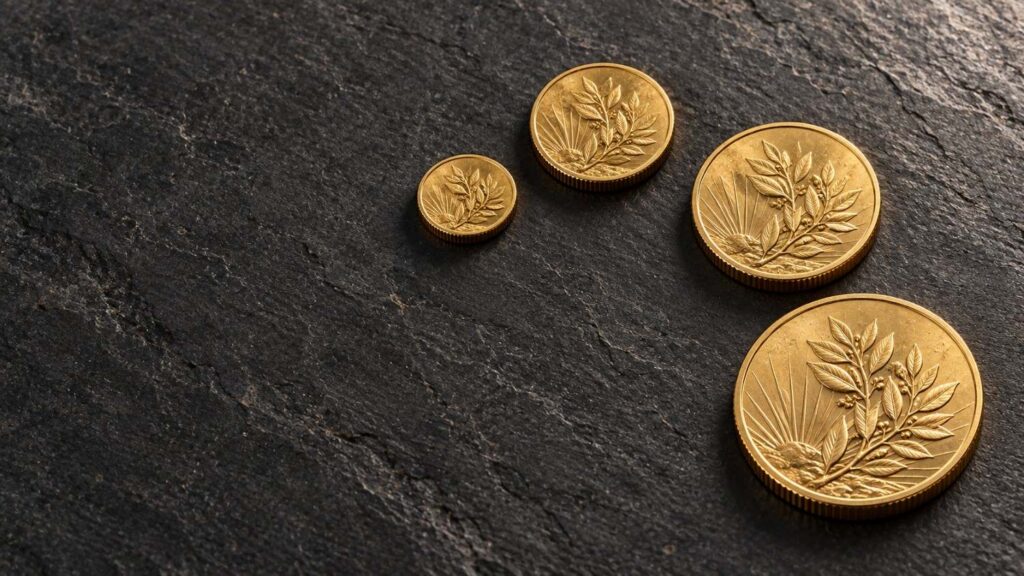
Fractional gold coins cost more per ounce, but smaller units can suit gifts and partial sales. Compare equal-weight holdings to see what that flexibility costs, then check the buyback terms for each coin.
Gold Beat Stocks Twice in 50 Years. Here’s Exactly When, and Why It’ll Happen Again.
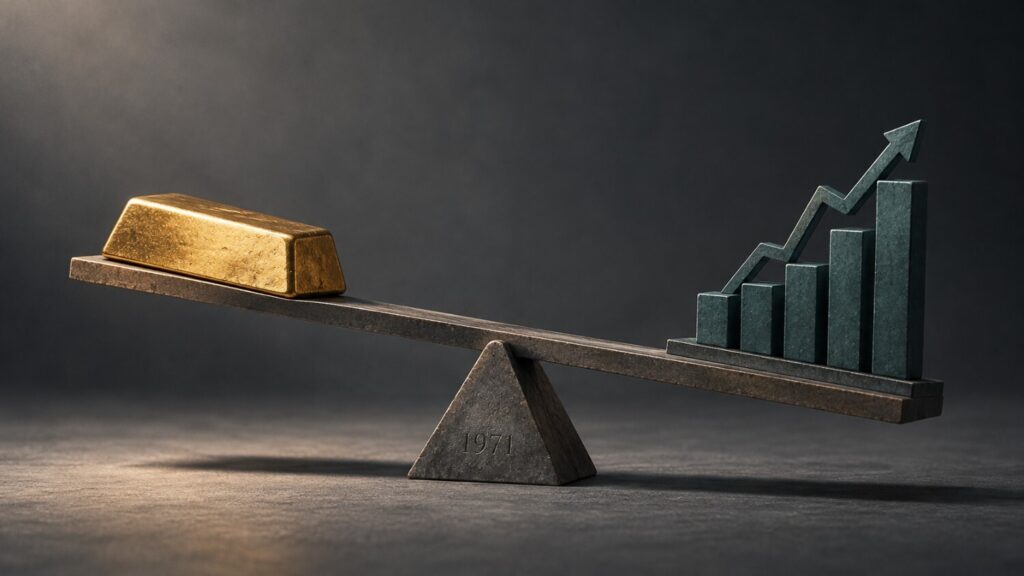
A decade-by-decade look at gold vs. stocks since 1971 — who led, why the lead changed, and how much gold belongs in a diversified portfolio.
Nobody Can Print Gold, and Mining an Ounce Ain’t Easy!
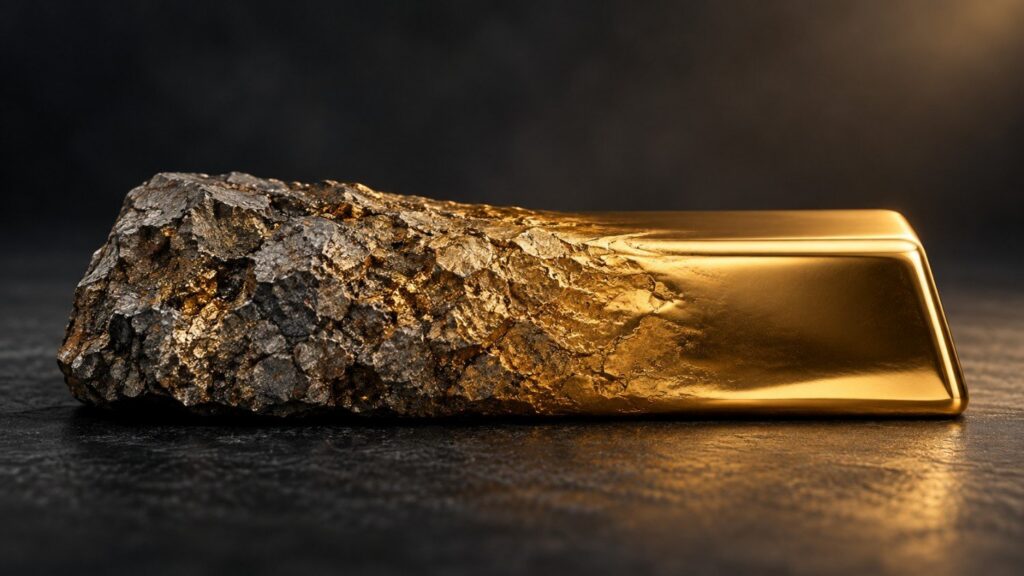
Gold can’t be printed — it has to be found, dug up, and purified at real physical cost. Here’s exactly how an ounce moves from raw ore to certified bullion, and why that difficulty is the whole point.
Gold Futures Explained: How COMEX Contracts Actually Work

A gold futures contract doesn’t put gold in your hand — it prices it. Here’s exactly how COMEX contracts work: the mechanics, the leverage, the margin, and why almost nobody actually takes delivery.
Is Gold a Good Investment? What 2026’s Worst Quarter Since 2013 Proved
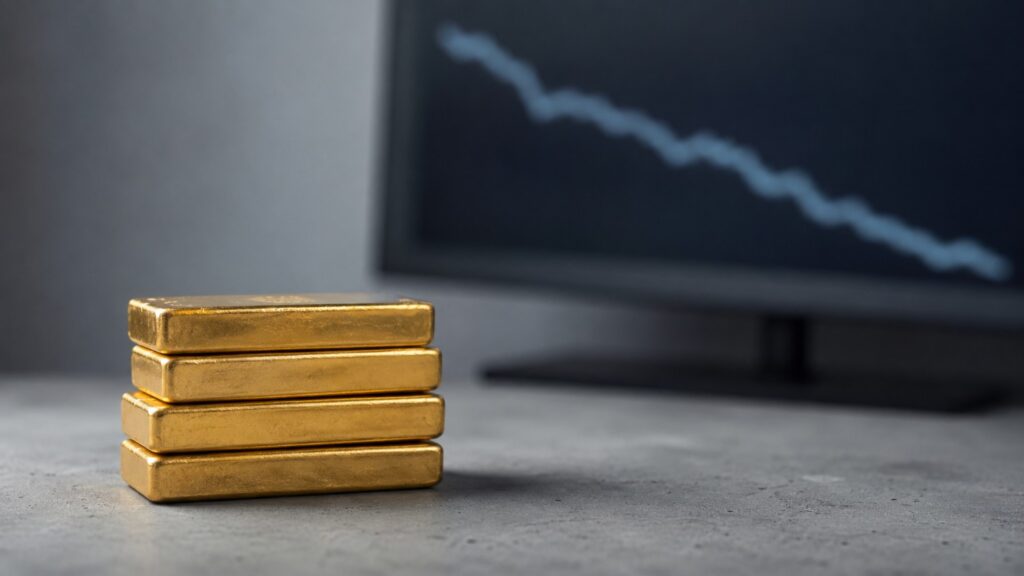
Gold has returned about 9% a year in US dollars since 1971. It also just had its worst quarter since 2013, falling more than 25% from January’s record. Both facts are true, and central banks bought a record second quarter through the decline. Here is the honest answer, including four real downsides.
Gold Coins vs. Rounds: Which Should You Buy?

Gold coins carry legal tender status and cost more, 4% to 8% over spot, while private-mint rounds cost less but resell slower. Here’s what actually drives that gap, and the two common assumptions about IRA eligibility and taxes that turn out to be wrong.
Gold Price Cycles: What History’s Patterns Tell Us About Where We Are Now

Three gold price cycles have played out since 1971. Each was driven by the same forces: real rates, dollar weakness, and monetary stress. Here’s what history says about where we are now.
Gold During Recessions and Market Crashes: 100 Years of Evidence

Most investors assume that when stocks fall, everything falls. The historical record on gold during a recession says otherwise. Across the four biggest financial crises of the past century, gold has followed the same pattern: an initial selloff, then a sustained rally driven by the monetary response that always follows.
Is Gold an Inflation Hedge? The 54-Year Record and the Mechanism Most Investors Miss

Gold has outpaced inflation by roughly double for more than five decades — but only 16% of its price movements since 1971 correlate with CPI. The real driver is real yields, not headline inflation. This canonical guide covers the complete historical record era by era, the second structural shift that began in 2022, the portfolio case for a 10% allocation, and the six most common questions investors ask about gold and inflation.
How Much Gold Should You Own? The Research-Backed Answer
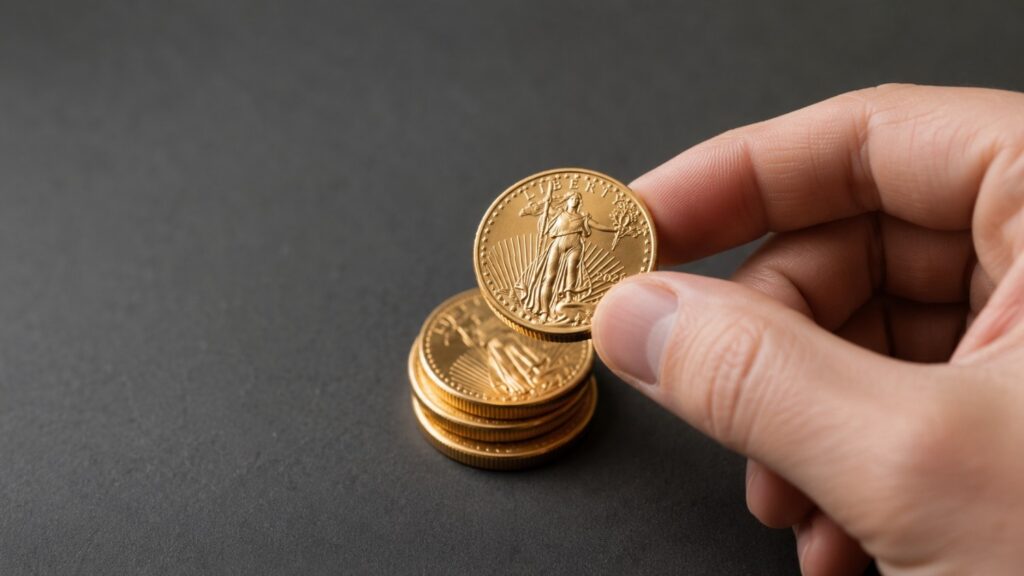
Most investors hold less gold than the research supports. CPM Group’s 53-year study identifies 20% as the optimal allocation for risk-adjusted returns. The World Gold Council documents meaningful improvement starting at just 5%. Your personal number depends on three variables: time horizon, confidence in the dollar’s purchasing power, and how quickly you could liquidate if you needed to. Tags: gold portfolio allocation, how much gold to own, gold allocation percentage, gold allocation calculator, physical gold, gold IRA, portfolio diversification, sound money, purchasing power, gold vs silver, gold silver ratio, dollar cost averaging, financial sovereignty, central bank gold buying, World Gold Council, CPM Group, rebalancing, inflation hedge, 60/40 portfolio, paper assets, gold ETF vs physical gold, financial vulnerability score, gold investing, precious metals allocation, stagflation hedge


