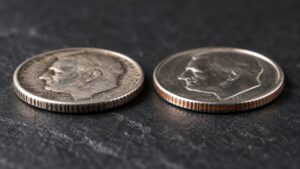
Silver Rises Over 120% YTD




Published: 10-24-2025, 03:19 pm
If you’ve ever tried buying physical silver, you’ve probably noticed something confusing: the price you pay is always higher than the “silver spot price” you see quoted online.
Understanding this difference — and what drives it — is essential for making informed investment decisions and avoiding costly mistakes.
What Is the Silver Spot Price?
The silver spot price represents the current market price for one troy ounce of pure silver for immediate delivery. It’s determined by continuous trading on global commodities exchanges such as the London Bullion Market Association (LBMA) and COMEX in New York.
Silver’s price is shaped by both industrial and investment demand. Unlike gold — which is driven primarily by monetary and investment factors — silver’s spot price reacts to multiple forces:
- Industrial demand: Electronics, solar panels, medical devices, and automotive technology.
- Investment demand: Physical coins and bars, ETFs, and futures contracts.
- Economic indicators: Inflation, currency strength, and global growth expectations.
- Supply trends: Mining output, recycling, and government sales.
Spot prices update constantly, reflecting real-time global supply and demand.
Why Retail Silver Costs More
When you buy physical silver, you’ll always pay more than the spot price. The difference is known as the premium — the extra cost covering production, logistics, and dealer operations.
Here’s what drives those premiums:
- Manufacturing costs: Refining, minting, and quality assurance.
- Dealer markup: Covers overhead, insurance, and profit margins.
- Distribution and logistics: Secure transport and storage.
- Market conditions: Tight supply or surging demand can send premiums soaring.
During times of stress — such as the 2020 pandemic or major financial shocks — silver premiums can jump dramatically as dealers scramble to maintain inventory.
Silver Premiums: The True Cost of Ownership
Typical bullion premiums range from 2% to 15% above spot, though they can spike to 50%+ during high-demand periods.
- Product type: Bars usually have lower premiums than coins; government-minted coins (like U.S. Silver Eagles) command higher ones due to authenticity and liquidity.
- Size and quantity: Larger bars often mean lower per-ounce costs.
- Market volatility: Premiums expand when fear or speculation heats up.
For instance, during 2020, silver outperformed gold by nearly 50%, and premiums on physical products skyrocketed as supply chains broke down — a clear reminder that real-world demand can diverge sharply from paper prices.
Spot vs. Retail: What It Means for Investors
Understanding this spread matters more than many realize:
- Entry and exit costs: Your true breakeven isn’t the spot price — it’s spot plus premium. If spot was $24 and you paid $28, silver must rise roughly 17% for you to break even.
- Timing: Silver’s higher volatility than gold means both spot and premiums fluctuate sharply, creating opportunities — and risks.
- Product selection: Choosing highly liquid, widely recognized bullion helps minimize exit costs later.
Why You (Nobody) Can’t Buy at Spot
Spot prices reflect large, institutional trades — often 5,000-ounce contracts — that settle without physical delivery.
Retail investors, on the other hand, are buying small, fabricated products that require refining, minting, certification, and shipping. Even major wholesalers pay above spot when sourcing from refineries.
In short: the spot price is the foundation, but the retail price reflects the real-world economics of turning raw silver into a tangible investment.
Smart Silver Strategies
To invest intelligently:
- Calculate total cost of ownership — include premiums, storage, and insurance.
- Watch premium trends — they can reveal supply tightness or market stress.
- Stick with liquid products — well-known bars and coins are easiest to sell.
- Think long term — silver’s dual industrial and monetary role gives it both cyclical upside and defensive power.
Silver’s Premium Is the Price of Tangibility
The difference between the silver spot price and what you actually pay isn’t a hidden markup — it’s the cost of owning something real.
In a financial world awash in paper promises and digital abstractions, that premium buys more than metal. It buys security, independence, and permanence — qualities that paper assets can’t match.
Investing in Physical Metals Made Easy

People Also Ask
Why is the silver spot price lower than what I pay for physical silver?
The silver spot price reflects bulk trading on global exchanges like COMEX and LBMA — not retail transactions. Physical silver costs more because fabrication, minting, transport, and dealer markups are included.
What is a fair premium over the silver spot price?
In normal markets, a fair premium is typically 5–15% for 1-oz bars or rounds and 8–25% for government-minted coins. Larger bars often have smaller premiums per ounce. You can compare current premiums and product types directly on GoldSilver.com’s silver page to see live pricing.
Why do silver premiums change so much over time?
Premiums fluctuate with market demand, supply chain conditions, and investor sentiment. During crises or high inflation fears, demand spikes and premiums can double.
Can I buy silver at the spot price?
No — the spot price applies only to wholesale, paper-contract trades. Individual investors buy finished bullion products that include refining, minting, and handling costs. GoldSilver provides transparent pricing so you can see both the live spot price and the total delivered cost before you buy.
Is it better to buy silver coins or bars?
It depends on your goals. Coins (like U.S. Silver Eagles) offer strong liquidity and recognition, while bars usually provide lower premiums per ounce. GoldSilver’s Buying Guide compares both options so investors can balance liquidity with cost efficiency.