 Silver Rises Over 120% YTD




China Has Been Buying Gold for 20 Straight Months. Now It’s Moving It.

China’s central bank is quietly moving gold from London to Hong Kong, backing a new clearing system designed to price gold in Asia on different terms.
The London Fix Prices Unallocated Gold. Here Is What That Means for Where Yours Lives.

The London Fix officially prices unallocated gold — a credit claim against a bank’s pool, not a bar in your name. Here is what that means for how your gold is actually held.
Gold Has a 0% Risk Weight and an 85% Funding Penalty. Banks Are Finally Asking Why.

Gold has a 0% bank risk weight — the same as cash — but an 85% liquidity funding penalty under Basel III. Here’s the regulatory gap, why it exists, and what closing it means for gold demand.
23 Questions to Ask Before Choosing a Gold Storage Provider

Before trusting any vault with your gold, these are the 23 questions to ask — and the specific answers that separate institutional-grade custody from everything else.
Physical Gold vs. Digital Gold: Which Is the Ultimate Safe Haven?
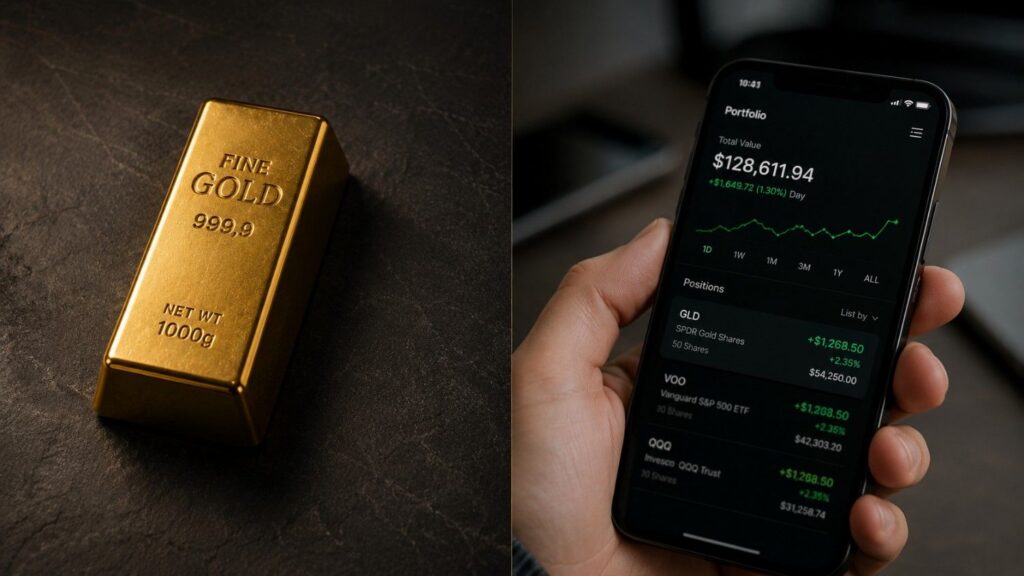
Not all gold ownership is equal. We break down the real difference between physical gold and digital gold products — and why it matters most in a crisis.
The Gold Market Is Mostly Paper. Dubai Disagrees.

Most gold doesn’t move when it’s “traded” — it changes hands as a ledger entry in an unallocated account. A new report shows Dubai is building a different system entirely, where ownership means a specific bar, not a claim on a pool. Here’s what the difference means for your portfolio.
87% Dollar Devaluation Since 1971: Why Central Banks Keep Buying Gold

Since the Nixon Shock in 1971, the U.S. dollar has lost roughly 87% of its purchasing power, according to Bureau of Labor Statistics CPI data. Meanwhile, central banks have been net buyers of gold for 16 consecutive years. Here’s what the data shows — and what individual investors can learn from it.
Digital Gold vs Physical Gold: What Do You Actually Own?

Not all gold investments are created equal. Whether you’re buying bullion or investing through an app, understanding what you actually own — and what risks come with it — is the first step to making the right choice for your portfolio.


