 Silver Rises Over 120% YTD




Gold Is Closing Its Worst Quarter Since 2013. A War Made It Happen.
Gold entered Q2 at around $4,700. It is leaving at $4,015. That is the worst quarterly decline since the 2013 taper tantrum — and the cause is a war, not despite one.
Why Is Gold So Expensive? The 5 Mechanisms Behind the Price
Gold costs roughly $4,000 per ounce today. Here are the five specific, measurable forces that explain exactly why — and why every major bank expects the price to go higher.
Gold’s Worst Week of 2026. Central Banks Just Filed a Record Buy Signal.
Gold is down 5% this week. The World Gold Council’s 2026 survey of 76 central banks found 89% expect global gold reserves to increase — a record. Two markets, one metal, completely different time horizons.
PCE Hit 4.1%. Gold Went Up. Here’s Why.
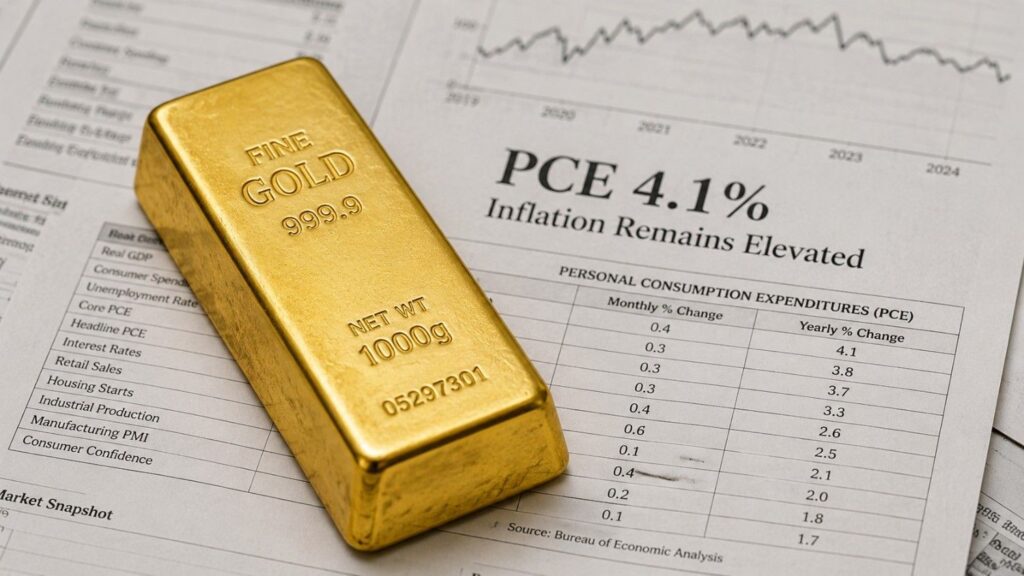
The government confirmed inflation hit a three-year high. Gold went up anyway. Here’s the mechanism most investors miss — and what it means if you hold physical gold.
298 Tonnes of ETF Gold Is Underwater. Central Banks Aren’t.
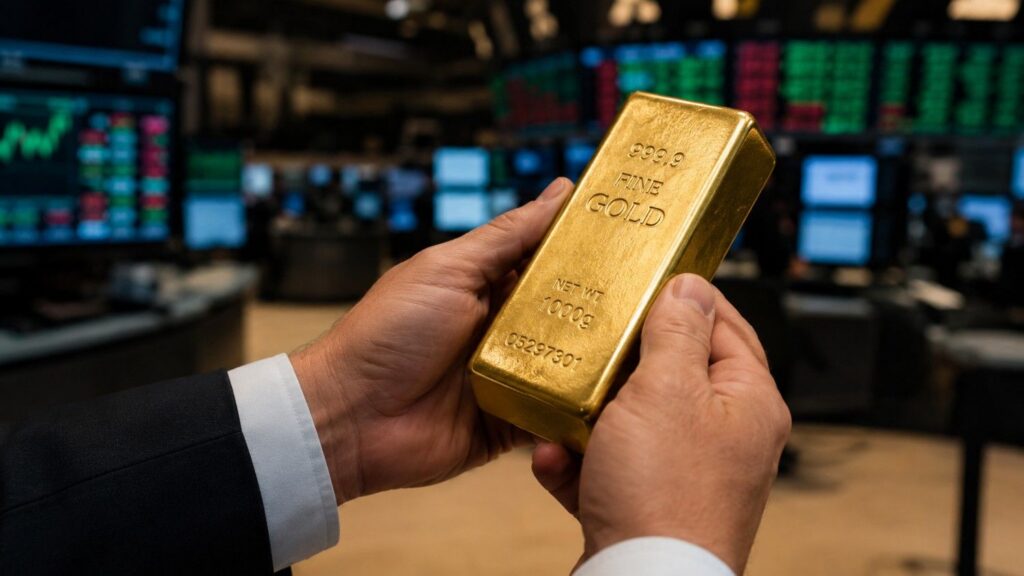
Approximately 298 tonnes of gold inside ETFs is currently held at a loss at current price levels — a structural ceiling on any near-term recovery. At the same time, the WGC’s 2026 survey found a record 45% of central banks plan to add to their reserves. Two markets. One metal. Very different time horizons.
Deutsche Bank Found Gold’s Price Floor. It’s Not the Buyers You Think.

Deutsche Bank catalogued every source of investor demand that has left the gold market. The one buyer that hasn’t moved is setting the structural price floor — and it’s the least price-sensitive buyer in the market.
Iran Deal. Oil Falling. A PM Out. Gold Still Above $4,100.
Oil falling, a PM resigning, a DXY at 13-month highs — and gold refusing to break. Five stories today, one thread.
Goldman Just Changed Its Model. Should You Change Yours?
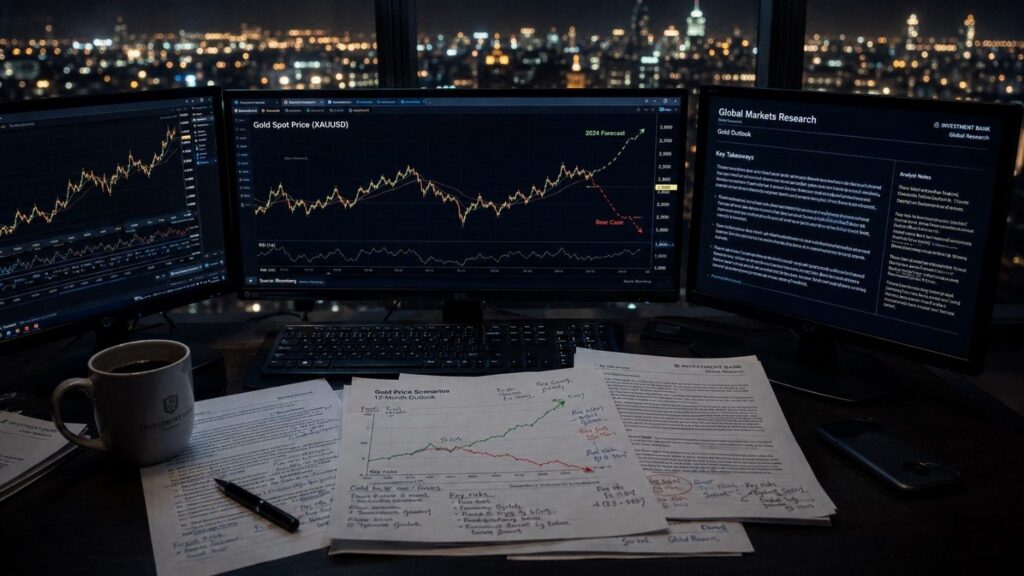
The Goldman Sachs gold cut explained: it’s a valid model output, not a verdict on gold. Here’s how to determine whether Goldman’s framework is your framework, and what data you should actually be watching.
Gold Is Down 25%. Morgan Stanley Says One Number Unlocks $5,200.
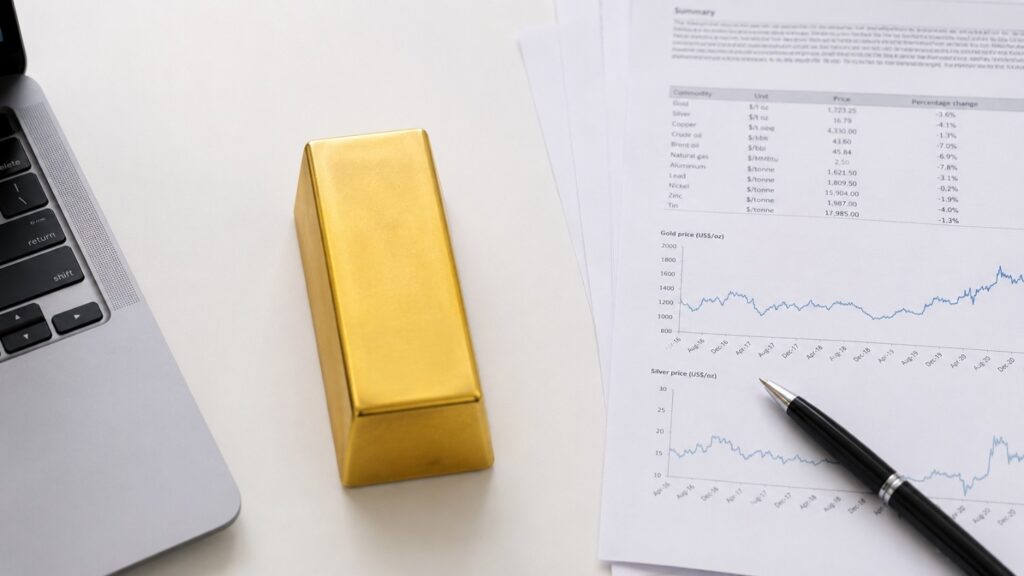
Gold hit $5,589 in January. Today it’s at $4,177. Morgan Stanley says the structural case for $5,200 is intact — but one specific buyer type hasn’t shown up yet. Here’s the chain that explains why, and what turns it back on.
Half the Fed Wants a Hike. 45% of Central Banks Are Buying More Gold.

The Fed’s June 2026 dot plot split the committee down the middle on rate hikes, the dollar surged to its highest since May 2025, and silver posted its sharpest drop in weeks before recovering nearly 70% of the loss. The same week, the World Gold Council reported a record 45% of central banks plan to add gold. The headwinds are real. So is the floor.


