 Silver Rises Over 120% YTD




The Petrodollar System Explained: What It Is, How It Worked, and What’s Replacing It
The petrodollar system gave the US dollar its dominance for 50 years — every country needed dollars to buy oil, and oil exporters recycled those dollars back into US Treasuries. That arrangement is now shifting. Here is how the system worked, why it is under stress, and why central banks are choosing gold as the alternative reserve asset.
The Buyer List for Gold Just Got Longer. These Countries Have Never Bought Before.
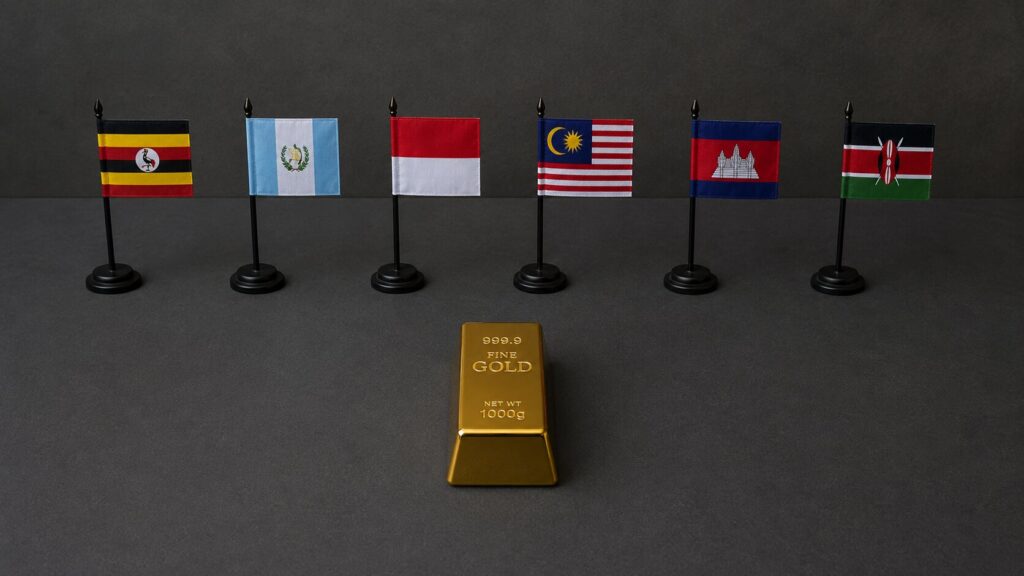
Central banks purchased a net 244 tonnes of gold in Q1 2026 — and for the first time, the buyer list includes countries like Guatemala, Indonesia, Malaysia, Cambodia, Uganda, and Kenya. Some are buying gold for the first time in their institutional history. Others are returning after decades of absence. Here is what the world’s most sophisticated reserve managers are telling you by voting with their balance sheets.
Gold Remonetization: Six Forces Restoring Gold’s Monetary Role
The 2026 In Gold We Trust report identifies six simultaneous forces restoring gold’s monetary functions — from record central bank buying to tokenized gold outcompeting CBDCs. Here’s what each vector means and why their convergence matters more than any single one alone.
Why Central Banks Sell Gold — And What It Means for Prices
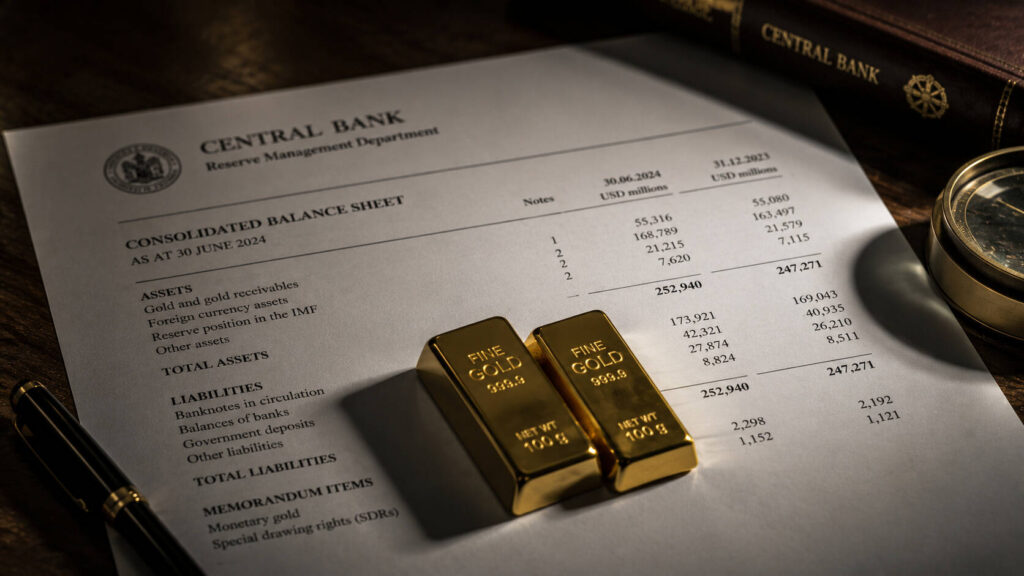
Central banks bought 863 tonnes of gold in 2025. Yet Russia, Turkey, and others are selling. Here’s what drives official-sector gold sales — and what the history of central bank selling tells long-term investors about price risk.
Central Banks Are Buying Gold: Here’s What They See Coming

Central banks are accelerating gold purchases as confidence in fiat currencies declines. Driven by inflation, geopolitical risk, and de-dollarization, this structural shift signals long-term demand for gold.
The Quiet Revolution in Central Bank Gold Buying

Discover how record central bank gold buying is reshaping global demand and setting a long-term floor for gold prices amid rising geopolitical risks.
The Big Beautiful Bullion

Written by: The MacroButler Investors who have done more investing homework than just bingeing Wall Street pundits or tuning into finance soap operas hosted by clueless journalists, will know they basically have two flavours to choose from: contracts and properties. Harry Browne, an economist with a knack for common sense, cooked up the Permanent Portfolio—a no-nonsense, all-weather mix of four uncorrelated assets: stocks, bonds, gold, and cash, each at 25%. Simple, balanced, and built to survive just about any economic circus. On one side we have contracts made of Cash and Bonds which can be seen as IOUs with fancy […]


