Silver Rises Over 120% YTD


14 Million Coins Sold. Zero Design Changes in 35 Years. Here’s Why Investors Keep Choosing the Philharmonic.

The Austrian Gold Philharmonic has been struck in .9999 fine gold by the Münze Österreich every year since 1989. Over 14 million coins have been distributed worldwide. Here is what serious buyers need to know about its specifications, IRA eligibility, premium structure, and how it compares to the American Gold Eagle.
American Gold Buffalo Coin: The Complete Guide to the U.S. Mint’s Purest Gold
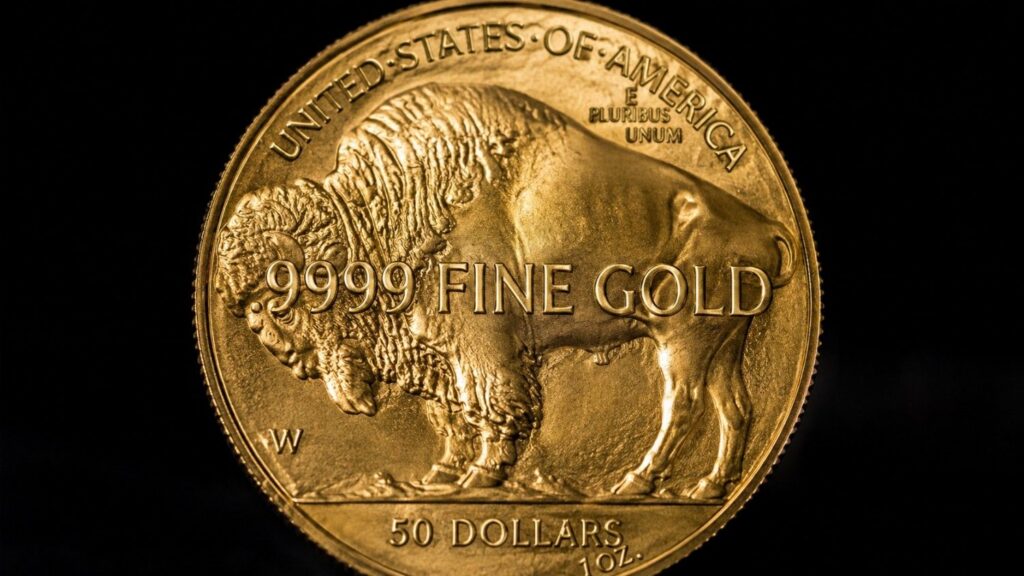
The American Gold Buffalo is the only .9999 fine (24-karat) gold bullion coin the U.S. Mint produces. Here is how it compares to the Gold Eagle, who it suits, and what investors need to know about purity, IRA eligibility, and premiums.
Why the Krugerrand Has No Face Value — and Why That’s the Point
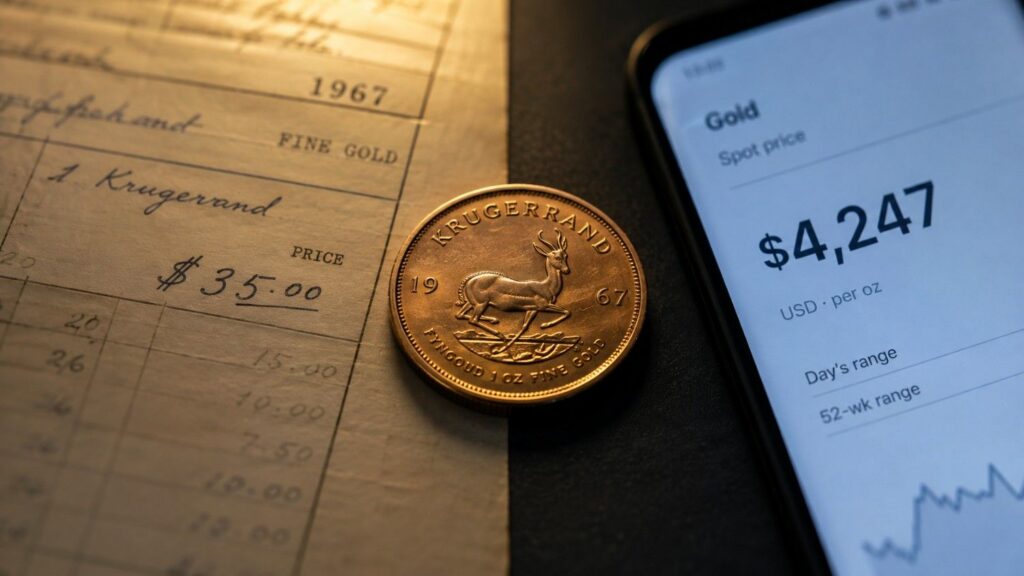
The South African Krugerrand is the world’s first gold bullion coin — and one of its most deliberately designed. Launched in 1967 with no face value by intention, it cannot be debased by monetary policy. Here is how it works, why it was banned, and why nearly six decades later it remains the most liquid gold coin on the planet.
The Gold IRA Rollover Trap Most Investors Walk Straight Into

One paperwork choice in a gold IRA rollover can hand the IRS 20% of your savings before the clock starts. Here is how to do it the right way.
The Canadian Gold Maple Leaf: Purer Than the Eagle, Lower Premium, and IRA-Eligible
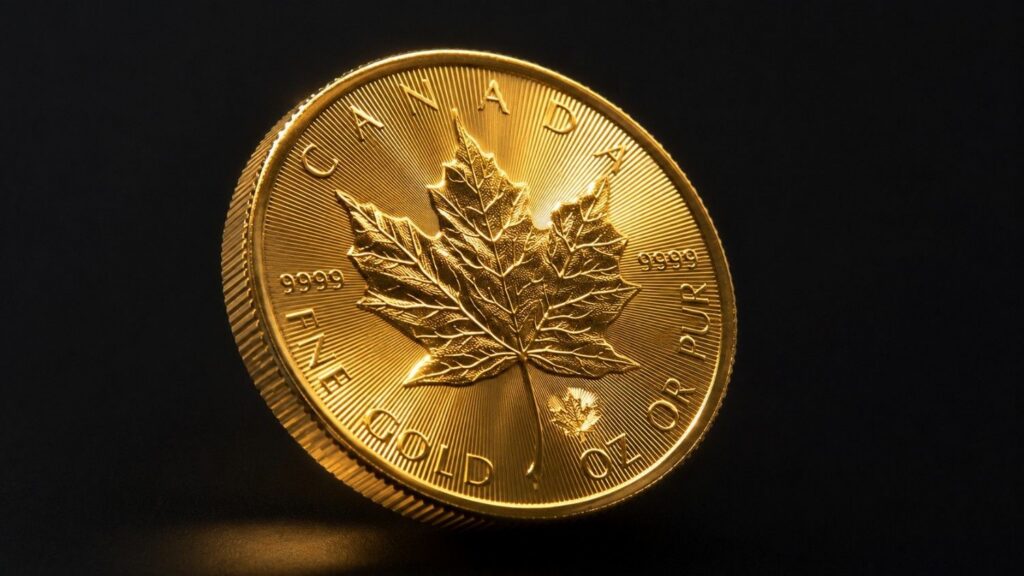
The Canadian Gold Maple Leaf is 99.99% pure gold, carries a lower dealer premium than the American Gold Eagle, and qualifies for a Gold IRA without a congressional exemption. Here is what the purity standard, security features, sizing options, and sound money case look like for investors considering physical gold ownership.
What Is a Self-Directed IRA? The Complete Guide for Precious Metals Investors

A self-directed IRA is the only IRS-sanctioned way to hold physical gold and silver inside a tax-advantaged retirement account. This guide covers IRS purity rules, contribution limits, home storage law, RMDs, and prohibited transactions — everything you need before you open one.
Gold Is Down 26%. Silver Is Down 51%. What Does the Stacker Do Now?

Gold and silver have pulled back sharply from their January 2026 peaks. The structural case — six consecutive silver deficits, 863 tonnes of central bank gold buying, and a gold-silver ratio above its long-run average — has not changed. This guide covers the floor thesis, how to read the GSR as a strategic compass, and how dollar-cost averaging turns volatility into an advantage.
How Is Gold Taxed When You Sell It? The 28% Collectibles Rule Explained

Excerpt:
Sell physical gold or silver, and the IRS doesn’t tax you like a stockholder — it taxes you like someone who sold a painting. Here’s the 28% collectibles rule behind that gap, how it treats ETFs like GLD differently from mining stocks, and what it means for gifting, inheriting, or holding metal in an IRA.
Gold Storage Fees Cost $72 a Year. Your Insurance Covers $200.

Allocated gold storage costs 0.18% a quarter, or $72 a year per $10,000. That is more than GLD, IAU or GLDM charge. But the fee spread across every way of holding gold is only about $62 a year, while the standard homeowners form caps bullion at $200 total. Here is what the premium buys, and which number actually decides where your metal should sit.
Gold & Silver IRA: Why Starting Early Costs You Less

Every year you delay a gold and silver IRA is a compounding year you can’t recover. With gold up 39% and IRA limits rising to $7,500, the cost of waiting is now measurable in real dollars.