 Silver Rises Over 120% YTD




Gold Silver Prices: Short-Term Noise, Long-Term Signal
Gold and silver prices are full of short-term noise—daily swings driven by Fed commentary, currency moves, and speculative trading. But underneath the volatility lies a consistent long-term signal. Learn how to tell the difference, what structural forces actually drive precious metals prices over time, and how to build a strategy that stays focused on what matters most.
How COMEX Sets Gold Prices and Moves the Market
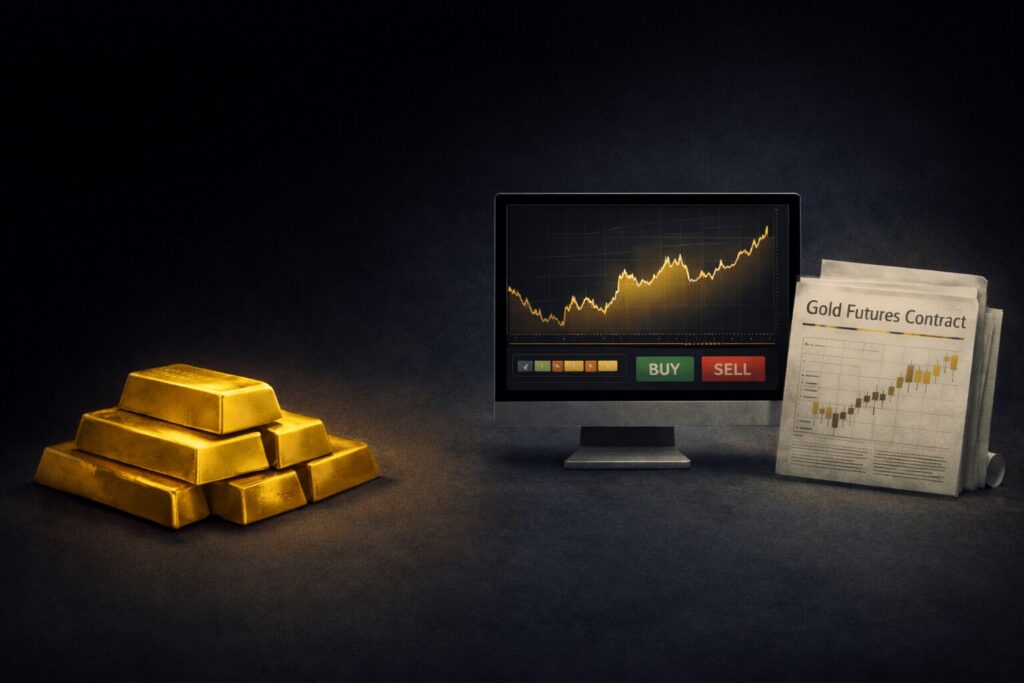
COMEX gold prices drive the global market, but most investors don’t fully understand how. This guide explains how gold futures trading on COMEX sets the daily price of gold, why most contracts never result in physical delivery, and how “paper gold” can influence short-term volatility—even when physical demand remains strong.
Paper Gold vs Physical Gold: Which Is Safer?
When markets turn volatile, the difference between paper gold vs physical gold becomes critical. While ETFs, futures, and unallocated accounts offer convenient price exposure inside the financial system, physical gold provides direct ownership outside of it. Understanding counterparty risk, margin-driven volatility, and ownership structure helps investors choose the approach that aligns with long-term wealth preservation and portfolio protection goals.
London Gold Fixing: Key Factors That Influence Global Gold Prices
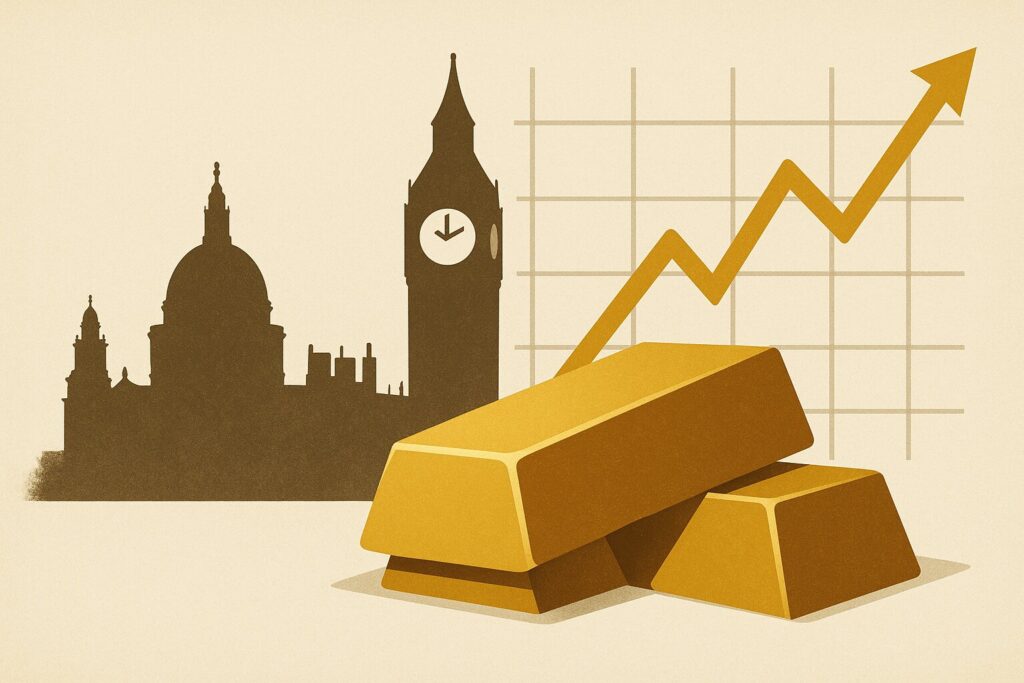
For more than a century, the London Gold Fixing—now the LBMA Gold Price—has set the benchmark that guides global gold transactions. Today’s transparent, twice-daily electronic auctions reflect real-time supply and demand, shaped by central bank policies, inflation, currency movements, geopolitics, and physical market fundamentals. Understanding these forces helps investors interpret price movements and make more informed decisions in the precious metals market.
Is Gold Price Consolidation Your Next Buying Opportunity?
Gold has surged from $2,624 at the start of 2025 to over $3,800 per ounce today. But even during powerful bull markets, prices rarely move up in a straight line. Periods of retracement or sideways trading — known as gold price consolidation — are a normal part of the cycle. For long-term investors, these pauses aren’t setbacks. They’re often the moments when disciplined buyers quietly build positions before the next leg higher. The question is: could this consolidation be your next strategic entry point? What is Gold Price Consolidation? Gold price consolidation happens when the market trades within a defined […]
Gold Price Correction: Will a Pullback Come Before New Highs?
Gold has surged to record territory, briefly touching $3,700 before pulling back. This milestone, driven by economic fragility, Fed policy shifts, and rising investor anxiety, has many asking: is a correction looming before the next leg up? With interest rates falling for the first time in years, geopolitical flashpoints multiplying, and global central banks aggressively stockpiling gold, the case for long-term bullishness is strong. But in markets, even the strongest trends pause—and investors need to prepare. Current Gold Market Landscape Gold’s recent performance reflects more than just inflation fear — it’s a structural shift in how capital views risk. The […]
5 Key Drivers of Gold Spot Price Movements

The spot price of gold changes minute by minute, reflecting a constant tug-of-war between markets, policies, and global risks. For investors, the key is recognizing the major gold price drivers that sit beneath those price swings. Understanding these dynamics doesn’t just explain where gold has been — it helps reveal where it could go next, and how it can strengthen a diversified investment strategy. The gold spot price moves minute by minute during trading hours, shaped by economic data, central bank decisions, and global events. Below, we’ll break down the five most important gold price drivers that consistently move markets. […]


