 Silver Rises Over 120% YTD




The Petrodollar System Explained: What It Is, How It Worked, and What’s Replacing It
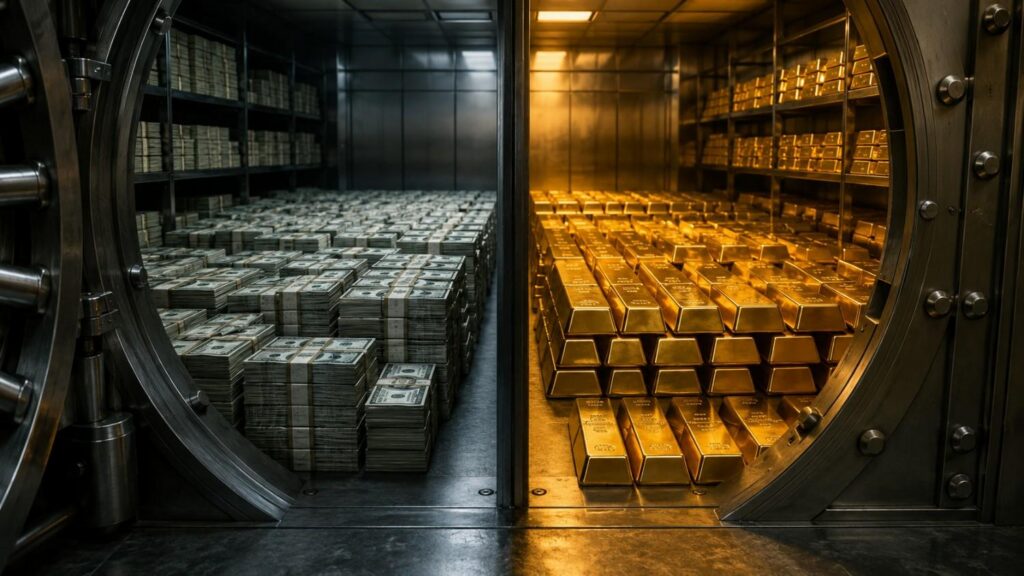
The petrodollar system gave the US dollar its dominance for 50 years — every country needed dollars to buy oil, and oil exporters recycled those dollars back into US Treasuries. That arrangement is now shifting. Here is how the system worked, why it is under stress, and why central banks are choosing gold as the alternative reserve asset.
China Just Bought Its Most Gold Since 2023. It Did It During the Quarter Gold Fell 16%.
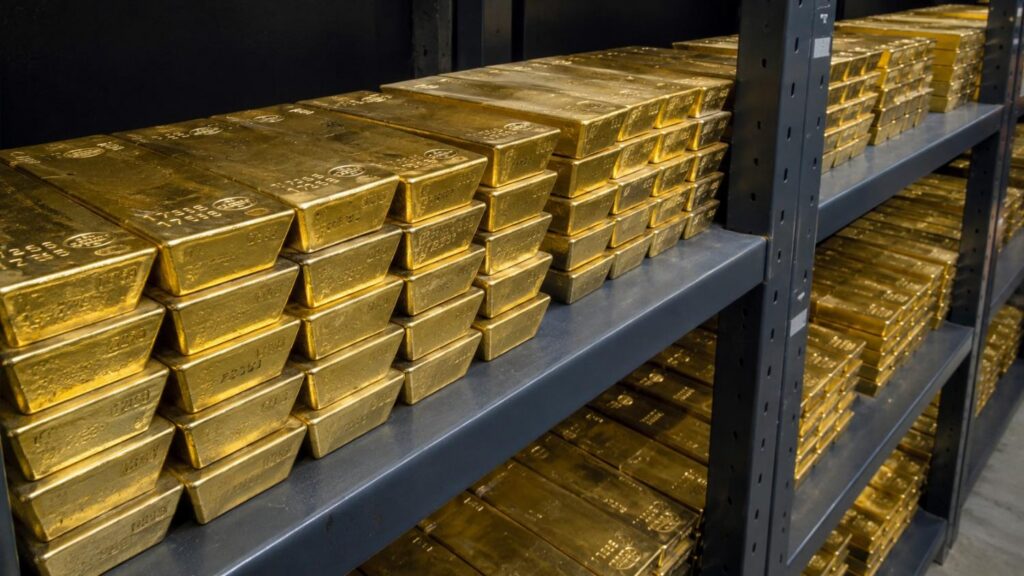
The People’s Bank of China added 14.93 tonnes of gold in June 2026, its largest single-month purchase since 2023 and its 20th consecutive month of buying. It happened during gold’s worst quarterly decline in thirteen years. Here is why the world’s most sophisticated reserve managers keep buying regardless of what the price does.
Gold’s Worst Week of 2026. Central Banks Just Filed a Record Buy Signal.
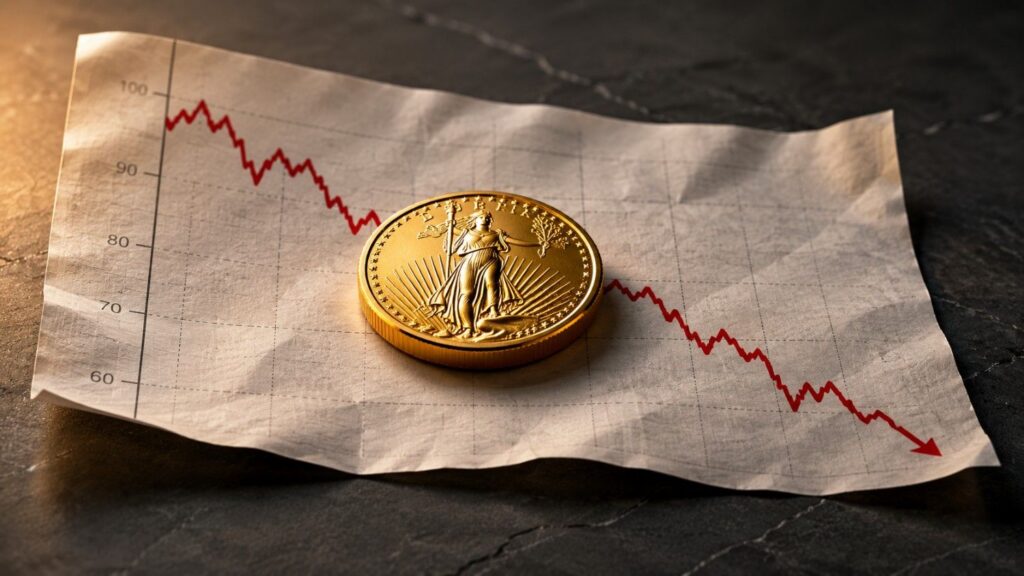
Gold is down 5% this week. The World Gold Council’s 2026 survey of 76 central banks found 89% expect global gold reserves to increase — a record. Two markets, one metal, completely different time horizons.
How Central Banks Decide How Much Gold to Hold
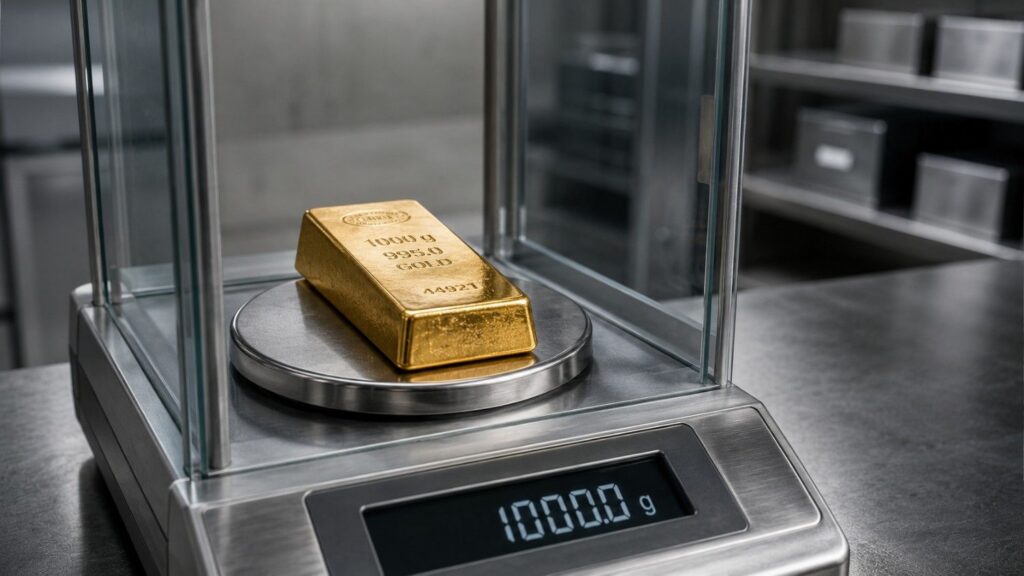
The World Gold Council’s 2026 survey asked 76 central banks how they decide how much gold to hold. The answer comes down to three objectives: safety, liquidity, and return — in that order. Here’s what that framework looks like in practice, why a record 45% of central banks plan to increase their allocation this year, and why the same logic applies to individual investors.
The Buyer List for Gold Just Got Longer. These Countries Have Never Bought Before.
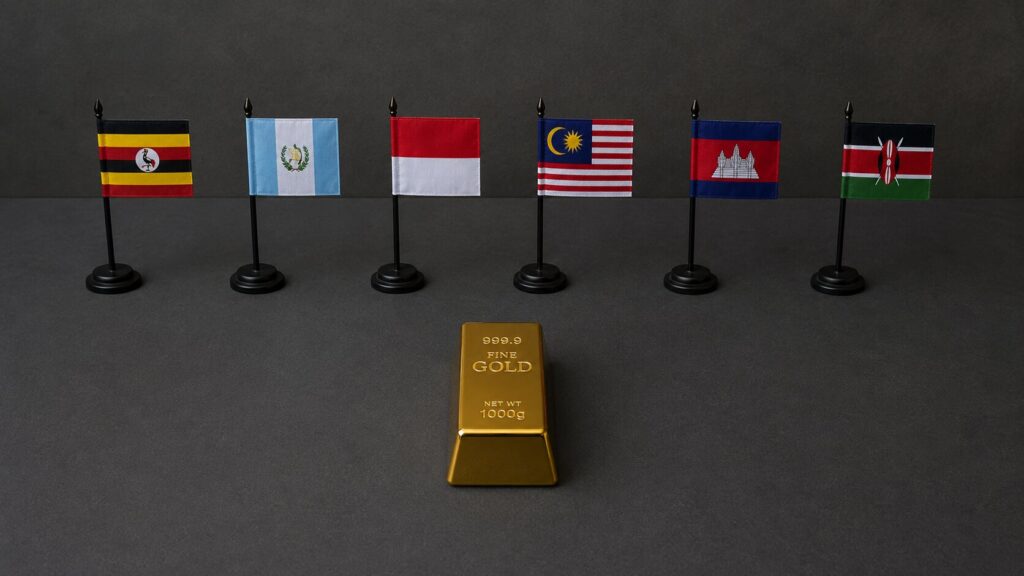
Central banks purchased a net 244 tonnes of gold in Q1 2026 — and for the first time, the buyer list includes countries like Guatemala, Indonesia, Malaysia, Cambodia, Uganda, and Kenya. Some are buying gold for the first time in their institutional history. Others are returning after decades of absence. Here is what the world’s most sophisticated reserve managers are telling you by voting with their balance sheets.
Why Central Banks Sell Gold — And What It Means for Prices
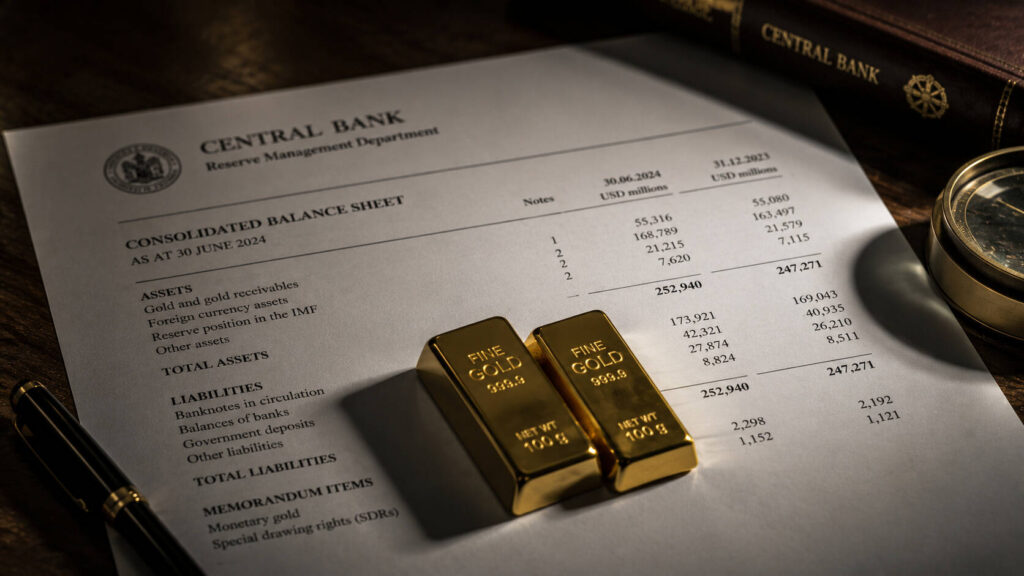
Central banks bought 863 tonnes of gold in 2025. Yet Russia, Turkey, and others are selling. Here’s what drives official-sector gold sales — and what the history of central bank selling tells long-term investors about price risk.
The Dollar Is Losing Ground. Here’s Why It Matters.
Most dollar headlines are either pure panic or total dismissal. The truth is more uncomfortable. Harvard economist Kenneth Rogoff predicts the yuan becomes a global reserve currency within five years — and IMF data shows the dollar’s share of global reserves has been quietly falling for over two decades. Here’s what that slow shift actually means for your purchasing power.
Why Are BRICS Countries Buying So Much Gold?
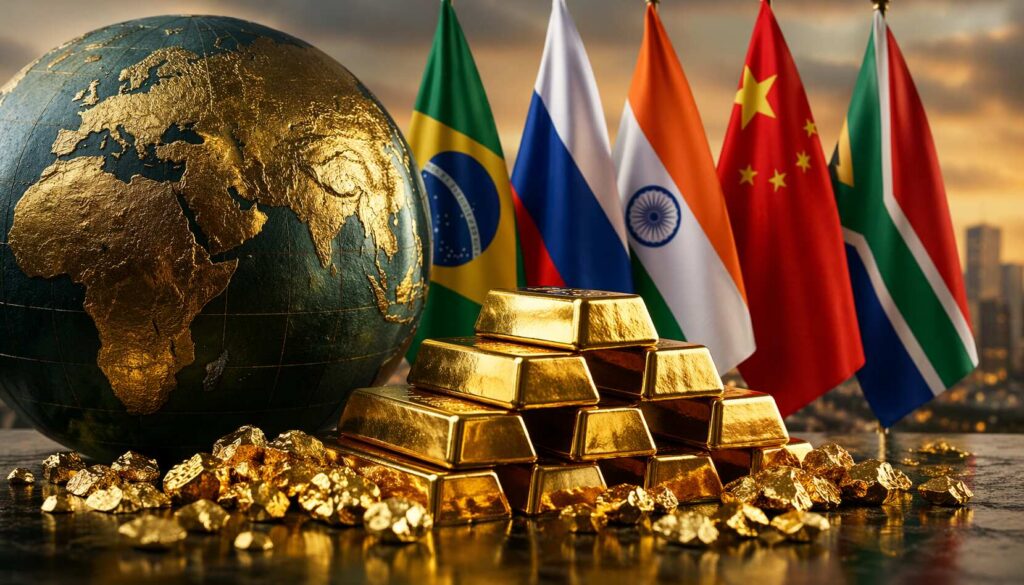
BRICS nations are buying gold at record pace — and it’s not just about price. From sanctions-proofing to de-dollarization, discover the four forces driving the biggest shift in global reserve strategy since Bretton Woods, and what it signals for investors.
Hormuz Blockade Sent Gold Down 2%. Here’s Why That’s Bullish
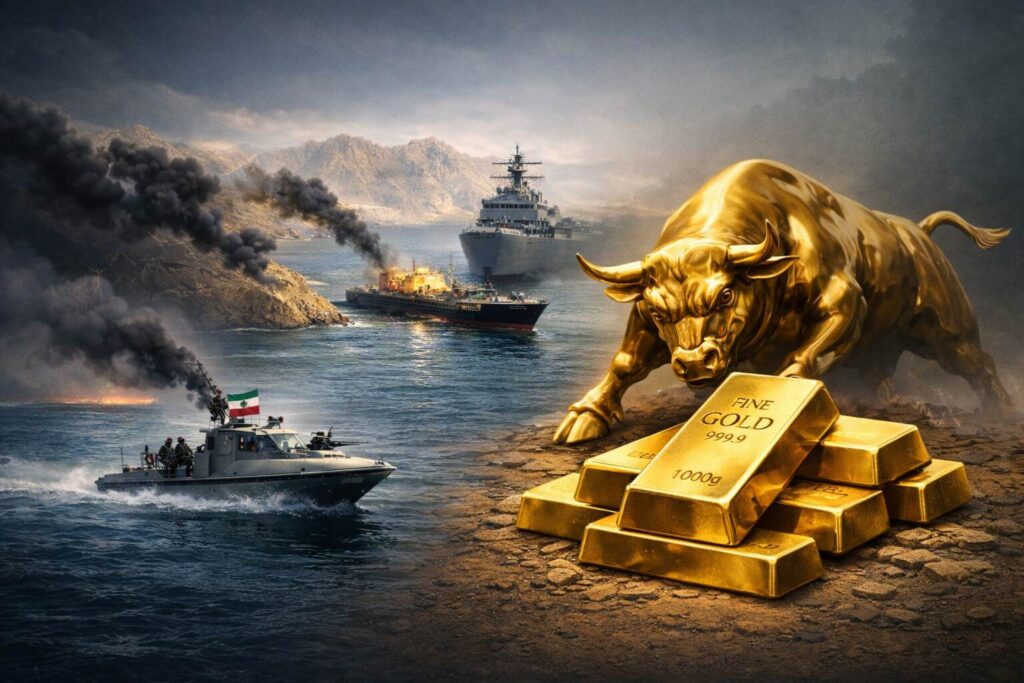
The Hormuz blockade sent gold down 2% as oil surged past $100. But margin liquidation — not fundamentals — drove the drop. With CPI at 3.3%, central banks buying, and the petrodollar requiring a navy to defend, the structural case for gold just got stronger.
What Is De-Dollarization? Why Countries Are Moving Away from the US Dollar
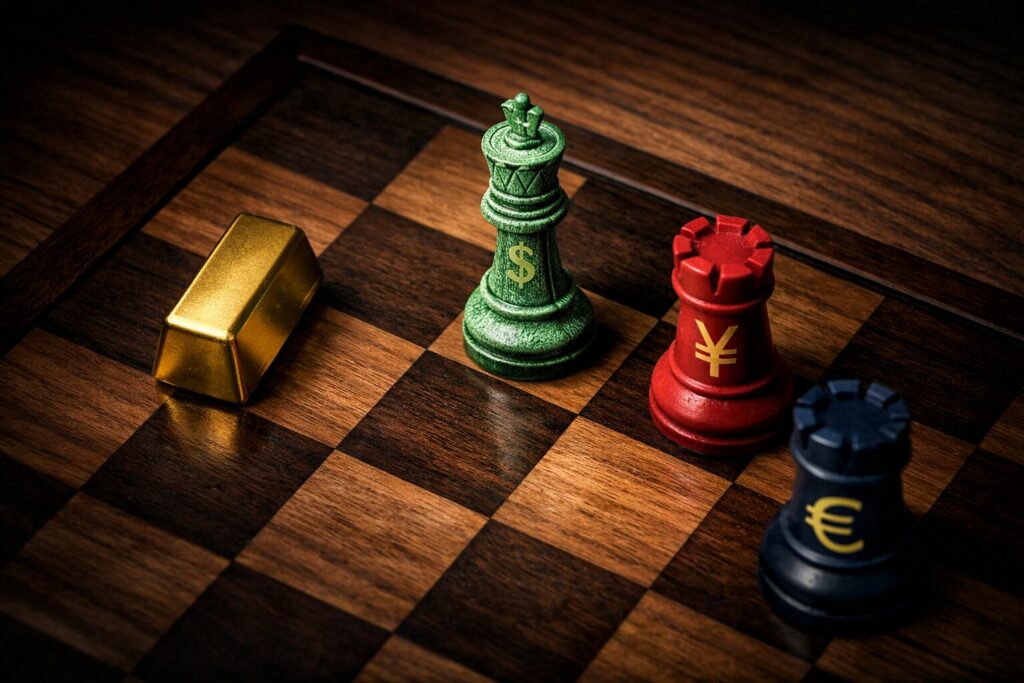
The dollar’s share of global reserves has hit its lowest level since 1994. Central banks are buying gold at historic rates. And the petrodollar system faces its most serious challenge in 50 years. Here’s what de-dollarization actually means — and why it matters now.


