Silver Rises Over 120% YTD


Gold Confiscation: Could the Government Take Your Gold Again?
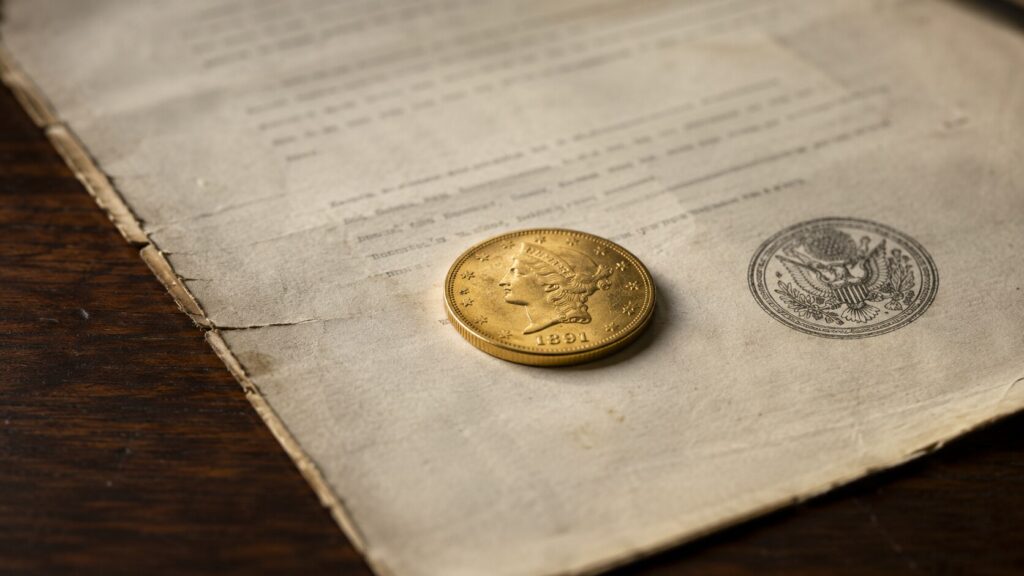
In 1933, the US government ordered Americans to surrender their gold at $20.67 an ounce — then revalued it to $35 and kept the difference. It was legal. It worked. But five major crises have passed since private ownership was restored in 1975, and confiscation has not happened once. Here is what actually changed, why the legal bar is now substantially higher, and what modern allocated ownership means for the question every gold investor eventually asks.
Gold Price History: From $35 to $4,500 in 100 Years
Gold went from $35 in 1971 to around $4,500 today — a 12,000% gain since the gold standard ended. Meanwhile, the dollar lost 96.9% of its purchasing power over the same period. These are not two separate stories. This is the complete gold price history: decade by decade, the real cause behind every major move, and what a century of data tells investors right now.
How Gold Once Balanced the World’s Economies — And Why It Matters Now

For most of recorded history, trade between nations was governed not by policy meetings or central bank coordination — but by gold. Here’s how the gold standard’s built-in correction mechanism worked, and what its absence means for the $102 trillion in global public debt recorded as of 2024.
How Much Gold Do You Need to Buy a House?
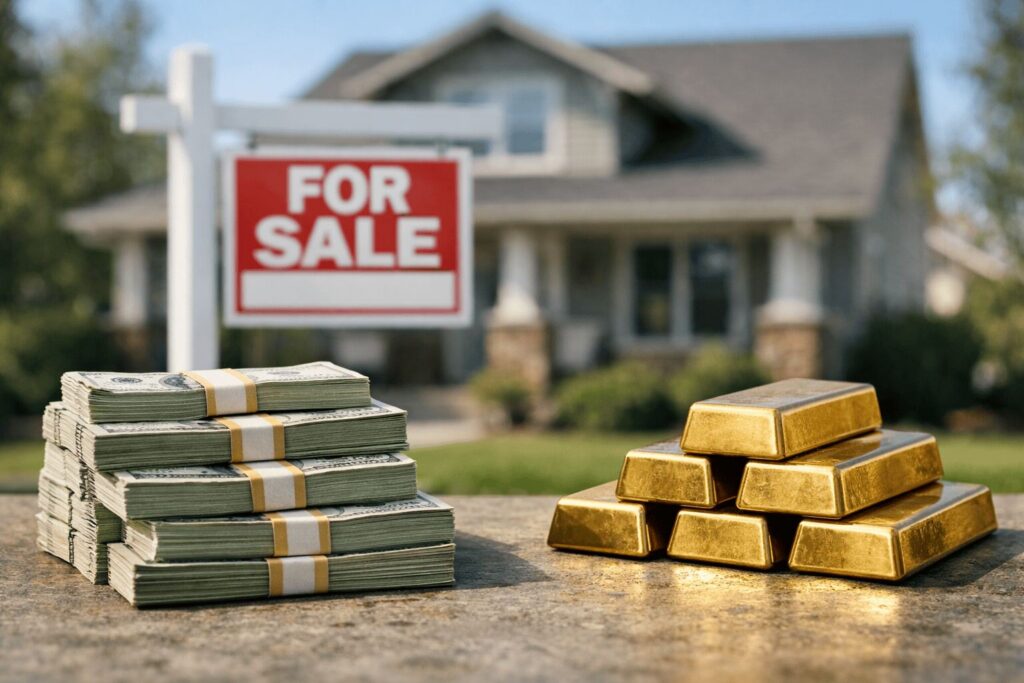
How much gold to buy a house? When you price real estate in ounces instead of dollars, the story changes. Over the past 50 years, while home prices soared in dollar terms, the gold required to buy a house has actually declined. This long-term comparison reveals how currency expansion affects purchasing power — and why many investors view gold as a tool for wealth preservation.
A Global Monetary Reset May Already Be Underway — Here’s the Evidence

Most investors expect a monetary reset to arrive suddenly. Mike Maloney argues it’s already happening. Gold and silver are leading signals of a global shift that will impact every saver and investor—whether they’re prepared or not.