 Silver Rises Over 120% YTD




Gold Coins vs. Gold Bars — Which is Better for Investors
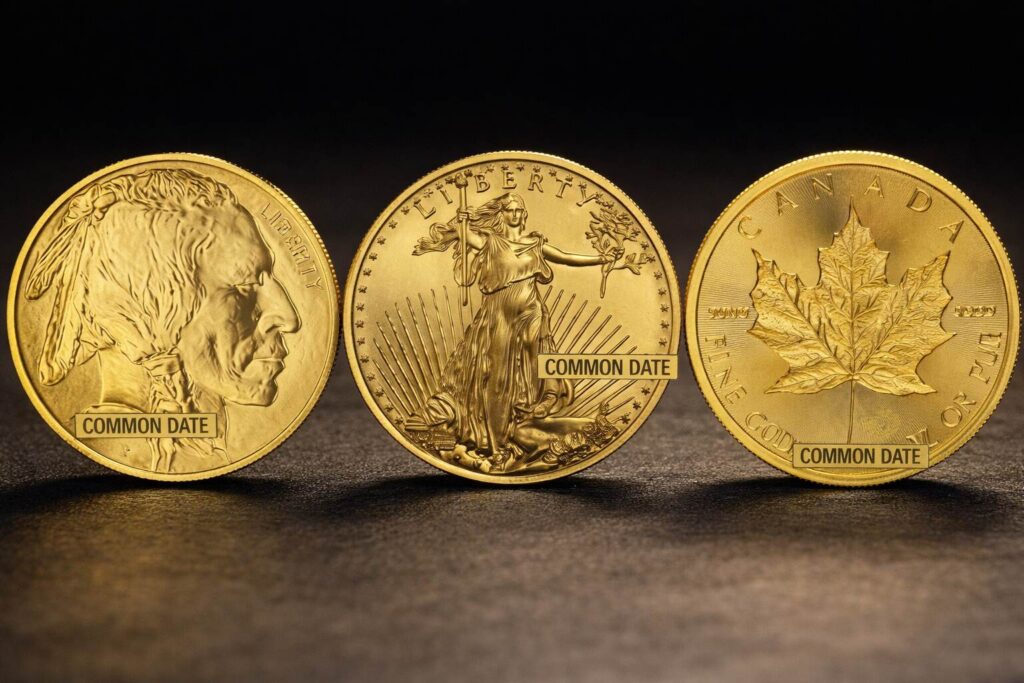
Gold coins and gold bars both offer real, tangible wealth protection — but they aren’t interchangeable. From premiums and liquidity to IRA eligibility and resale flexibility, here’s how to decide which form of gold belongs in your stack.
Does Timing the Gold Market Work? What 56 Years of Data Shows

Most investors try to avoid buying gold at the wrong time—but decades of data show that timing the gold market can quietly destroy returns. The vast majority of gold’s long-term gains come from just a handful of unpredictable trading days each year. Miss them, and performance collapses. This analysis reveals why staying invested—not timing entries and exits—is the only reliable way to capture gold’s full return potential.
Why Central Banks Are Buying Gold Again

Central banks have been accumulating gold at the fastest pace since the 1950s. Discover the economic, geopolitical, and monetary forces driving this historic shift in global reserve strategy—and what it means for investors.
Gold vs. Silver: Roles, Risks, and Portfolio Strategy

Gold and silver portfolio allocation isn’t about predicting which metal will outperform. It’s about understanding their roles. Gold offers stability, liquidity, and long-term purchasing power protection. Silver brings industrial demand exposure and greater upside potential — along with more volatility. The right balance depends on your goals, risk tolerance, and how precious metals fit within your broader investment strategy.
Gold Portfolio Allocation 2026: What J.P. Morgan’s Forecast Means for Investors

J.P. Morgan has raised its gold price target to $6,300 per ounce by end of 2026—with an $8,000 upside scenario on the table. Here’s what their smart money playbook means for your gold portfolio allocation strategy this year.
Paper Gold vs Physical Gold: Which Is Safer?

When markets turn volatile, the difference between paper gold vs physical gold becomes critical. While ETFs, futures, and unallocated accounts offer convenient price exposure inside the financial system, physical gold provides direct ownership outside of it. Understanding counterparty risk, margin-driven volatility, and ownership structure helps investors choose the approach that aligns with long-term wealth preservation and portfolio protection goals.
Gold’s Purchasing Power: What One Ounce Buys Over Time

What can one ounce of gold actually buy? The answer reveals gold’s true value better than any price chart. In 1971, one ounce bought dinner for three at London’s Savoy Grill. Today, it buys dinner for fourteen. A quality suit cost one ounce in the 1920s—and still does today. Meanwhile, fiat currencies have lost 95%+ of their purchasing power. Discover the “Savoy Gold Ratio” and why gold’s consistent buying power across generations makes it essential portfolio insurance in an era of currency debasement.
Gold Price Correction: Will a Pullback Come Before New Highs?

Gold has surged to record territory, briefly touching $3,700 before pulling back. This milestone, driven by economic fragility, Fed policy shifts, and rising investor anxiety, has many asking: is a correction looming before the next leg up? With interest rates falling for the first time in years, geopolitical flashpoints multiplying, and global central banks aggressively stockpiling gold, the case for long-term bullishness is strong. But in markets, even the strongest trends pause—and investors need to prepare. Current Gold Market Landscape Gold’s recent performance reflects more than just inflation fear — it’s a structural shift in how capital views risk. The […]


