 Silver Rises Over 120% YTD




Gold Rebounds Above $4,130: What Changed for Owners?
Gold fell 1.3% after the September CPI report, then recovered above $4,130. Here is what the reversal means for physical gold owners.
How 3.7% Inflation Impacts Wealth Preservation
U.S. inflation reached 3.7% in September 2026, but gasoline prices climbed 34.2%. Why the official rate may not match your household’s experience—and what it means for protecting purchasing power.
Ronnie Stoeferle’s $8,900 Gold Forecast Comes With a Warning

Gold could reach $8,900 by 2030, according to Ronnie Stoeferle. Yet he expects further downside before the next major rally. In this GoldSilver interview, he explains why his long-term outlook remains bullish, what could trigger gold’s next advance, and how he approaches gold, silver, and portfolio allocation.
Squeezed at the Pump, Steady in the Vault

Consumer confidence is sliding toward a fresh low as oil stays elevated. The same morning, gold and silver both climbed. Here’s the mechanism tying the two together.
The ISM Number Barely Moved. The One Underneath It Just Jumped.
September’s ISM Manufacturing PMI barely budged — but its Prices Paid sub-index spiked to a multi-month high, reopening the factory-gate inflation question the Fed can’t ignore.
Gold Jumps as Core PCE Cools More Than Expected, Overshadowing the ADP Jobs Beat
A cooler-than-expected inflation reading outweighed a strong jobs report today, sending gold higher while silver stayed behind. Here is the real-yield mechanism behind the split, and what it signals about the Fed’s actual room to maneuver before October.
Today’s PMI Beat Cuts Gold Two Ways. Only One Side Has Been Priced In.
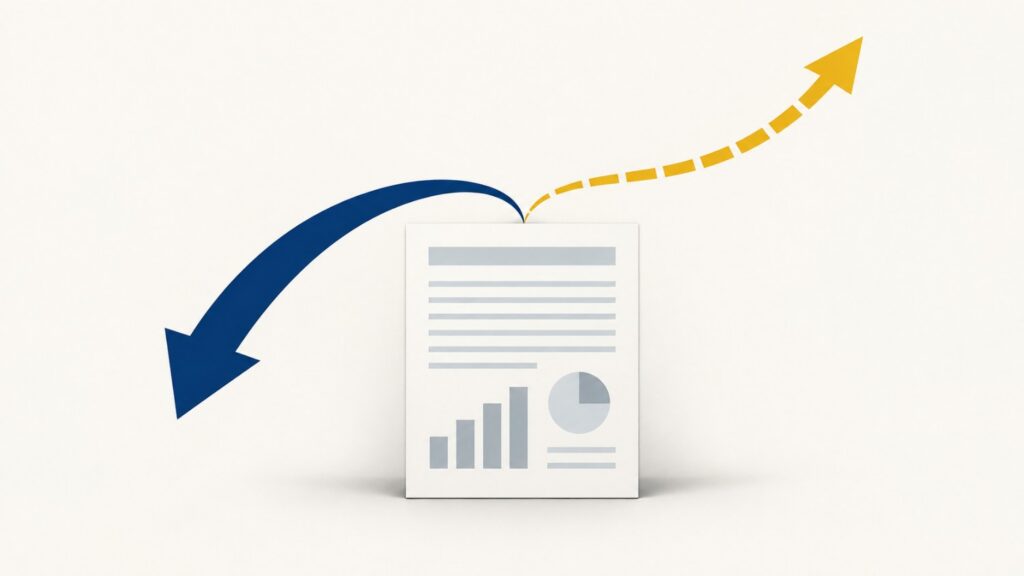
A record flash PMI print sold off gold and silver Wednesday. The same S&P Global data shows input costs and backlogs climbing — a signal the tape has yet to price.
Why Jim Rickards Thinks $10,000 Gold Could Arrive by Mid-2027

Jim Rickards says gold’s climb to $10,000 an ounce comes down to arithmetic, not sentiment. He breaks down the anchoring effect, the fundamentals still in play, and why he calls the Fed’s latest rate hike a mistake.
The Cantillon Effect: Why Money Printing Makes Some People Rich First

New money doesn’t reach everyone at once: banks and asset holders get it first, wage earners get it last, after prices have already moved. Using Fed balance-sheet data and its own Distributional Financial Accounts, this piece traces exactly how that sequence played out from 2008 to 2022, and why physical gold and silver sit outside the mechanism entirely.
Gold and Silver Fall as Hot PPI Lifts Fed Rate-Hike Odds

August producer prices accelerated to a 5.4 percent annual pace, and traders responded by pricing in 60 percent odds of a Fed rate hike, a reversal that pulled both metals lower even as the long-term case for owning them held firm.


