Silver Rises Over 120% YTD




Gold Is Falling for a Reason Most Investors Have Backwards

Most investors assume a Middle East flare-up is automatically bullish for gold. This time it wasn’t. The real driver behind the drop is an oil shock feeding straight into the Fed rate decision, not a safe-haven failure.
Is Stagflation Already Here? A Mortgage Veteran Says Yes — and Explains Why

A 40-year banking veteran says stagflation isn’t coming, it’s already here. Christopher Whalen explains the falling-home-value data, a shaky Fed, and why he holds gold in his own sock drawer.
What Is ZIRP (Zero Interest Rate Policy) and How It Changed Gold Forever
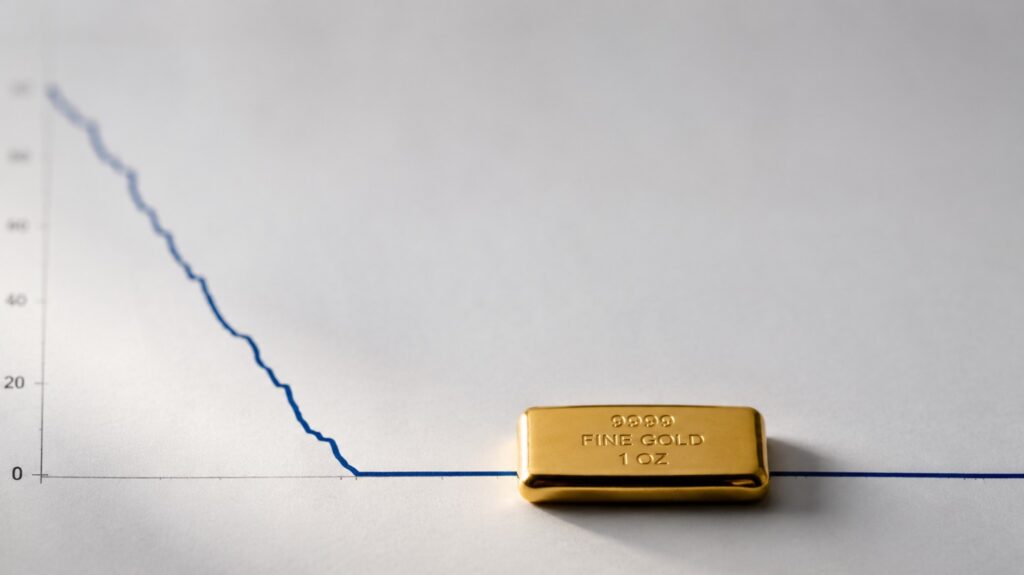
A zero interest rate policy holds the central bank’s short-term target at or near zero. The Federal Reserve did it twice, for nine of fourteen years. But zero rates alone never moved gold. The real policy rate did, and it explains today’s market better than the headline number does.
Gold and Silver Sink as Warsh Cites AI Boom to Justify More Fed Tightening

A Fed chair just used the AI capital-spending boom as evidence for more inflation-fighting. Here’s the yield-curve mechanism most coverage is missing.
The Fed Has Two Hike Numbers Right Now. Almost Everyone Quotes the Wrong One.
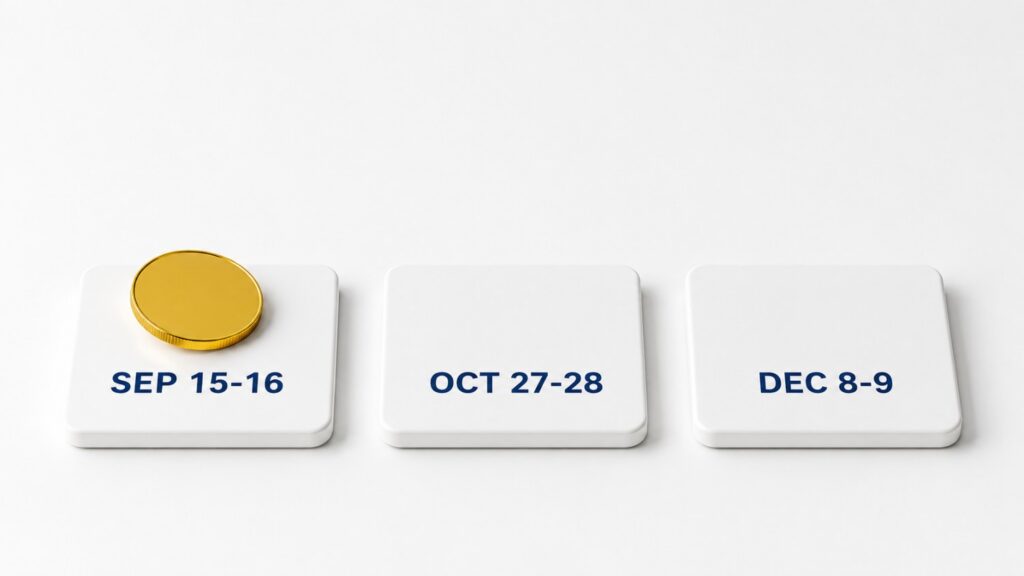
Fed funds futures report later meetings as a running total, not as separate bets. That single quirk explains why two very different hike numbers are circulating this week, why neither one is wrong, and which of the two actually sets the cost of holding metal into year-end.
What Is Sound Money? Why the Dollar Lost 87% of Its Value Since 1971
Sound money is money whose supply cannot be expanded by decree, so it holds its purchasing power over time. The principle shaped the 19th-century gold standard. Since that constraint ended in 1971, the dollar has lost roughly 87% of its purchasing power.
Zero Tankers Crossed Hormuz on Sunday. Oil Hit $89. Gold Barely Moved.

The 60-day US-Iran MOU expired this weekend with no replacement deal. Shipping through the Strait of Hormuz collapsed to zero. Oil climbed. Gold held. Here is why the non-reaction is actually the most important signal in this story.
Gold Price and the September Fed Pivot: Five Data Prints Rewrote the Odds This Week
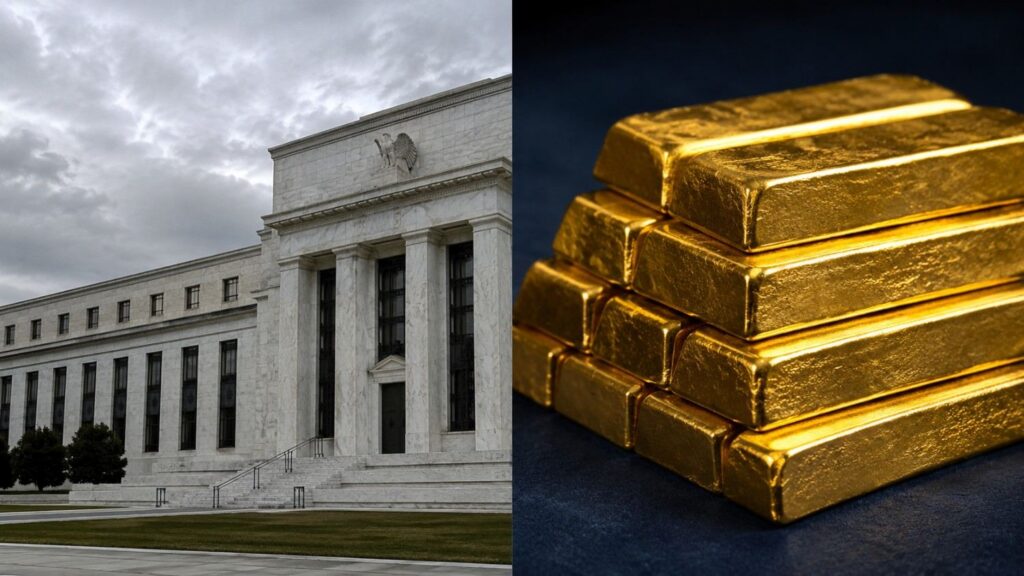
Five data prints this week — retail sales, consumer sentiment, CPI, PPI, and Hormuz — moved September Fed rate-hike odds by 27 points. Here is what each means for gold.
Jackson Hole Is 14 Days Away. What Warsh Says Could Move Gold More Than Any Inflation Print.

Fed Chair Warsh calls Jackson Hole a chance to frame “the big questions.” Here’s the real-yield mechanism that makes his August 27 speech the most important gold catalyst of the month.
Gold Hit a Two-Month High. Then It Pulled Back. The PPI Data That Caused Both Moves Is What Matters.
Gold hit a two-month high on Wednesday, then gave back ground Thursday as energy costs complicated an otherwise clean inflation signal. PPI came in flat. September Fed hike odds fell to 40%. ETF money is returning. Citi put a $90 target on silver. Here are the five developments shaping precious metals right now.