 Silver Rises Over 120% YTD




What Is the Permanent Portfolio? Harry Browne’s 25% Gold Allocation Explained
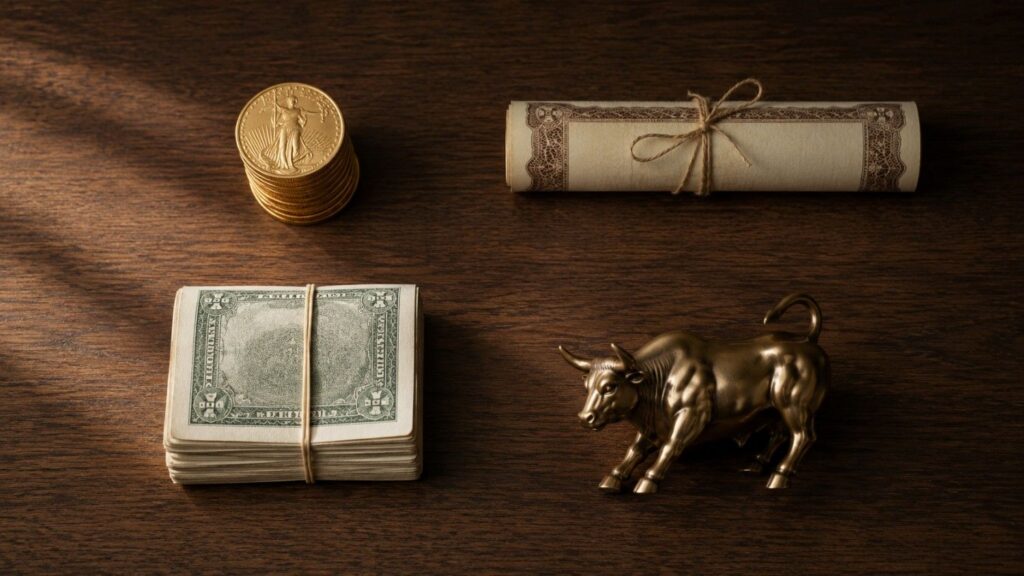
Most advisors cap gold at 5–15% of a portfolio. Harry Browne’s Permanent Portfolio puts it at a full 25%. This piece unpacks why he drew the line there, how the strategy held up in 2008, the 1970s, and 2022, and what the honest case against it looks like.
Five Unrelated Forces All Moved Gold and Silver Higher Today. That Doesn’t Happen Often.
Five unrelated forces moved gold and silver higher on August 12, 2026 — and their convergence on a single session is rarer than it looks. July CPI landed clean, China’s central bank extended its record 21-month buying streak, gold entered overbought territory for the first time since March, silver’s dual engines fired simultaneously, and the Strait of Hormuz remains closed. Here is what each one means.
Gold Risk-Reward Calculator: Is Your Portfolio Actually Safe?

Most investors think a diversified portfolio means they are protected. The 2022 data says otherwise. Here is the historical framework — Sharpe ratios, crisis performance across six major market shocks, and gold’s correlation data — for assessing whether your portfolio is actually safe.
Why Is Everything So Expensive? The Real Reason Explained

Everything you feel is wrong with the economy is real. Housing, wages, debt, and inflation aren’t separate problems — they share one cause. Here’s the mechanism, and why gold and silver have responded the way they have.
Gold Allocation Calculator: How Much Should Your Portfolio Actually Hold?
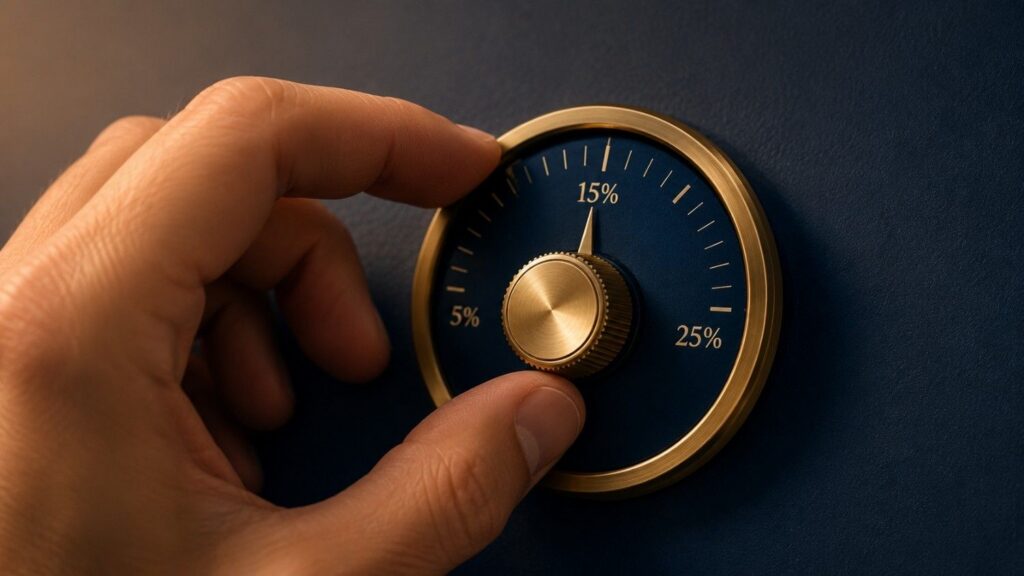
How much gold should your portfolio hold? The generic 5–10% guidance comes from 1980s research. Updated analysis puts the optimal range higher — and the right number for you depends on specific variables you can calculate.
Gold Is Flat. Oil Is Up 9%. Here’s Why.
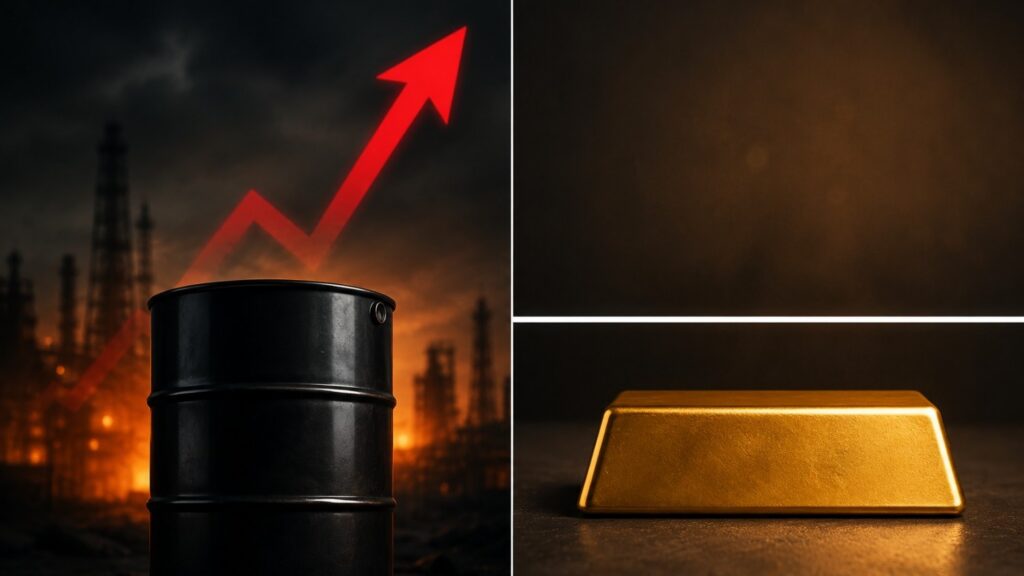
Oil is up more than 9% in five days. The Strait of Hormuz is nearly closed. Gold is flat. That is not a contradiction — it is the difference between supply-chain inflation and monetary inflation, and it matters for every long-term holder.
Silver Price Outlook June 2026: The Correction Was the Setup
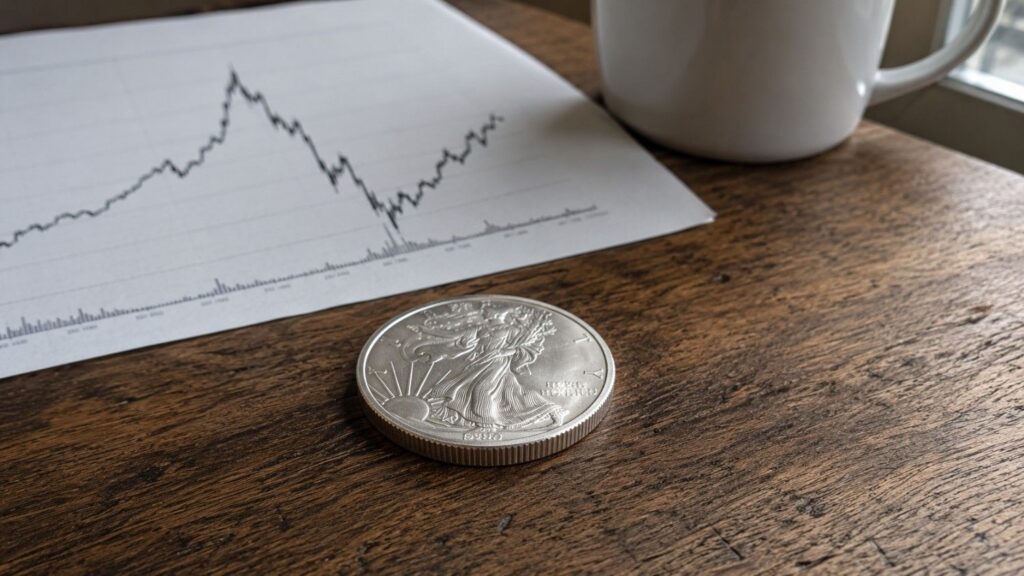
Silver has fallen 42% from its January 2026 all-time high of $121.62. Most investors are reading that as a failed rally. We think it’s the opposite. Here’s what the data, the supply deficit, and the gold-silver ratio are actually saying about where silver goes from here.
Gold at $4,480: Physical Demand Hits a 50-Year Milestone
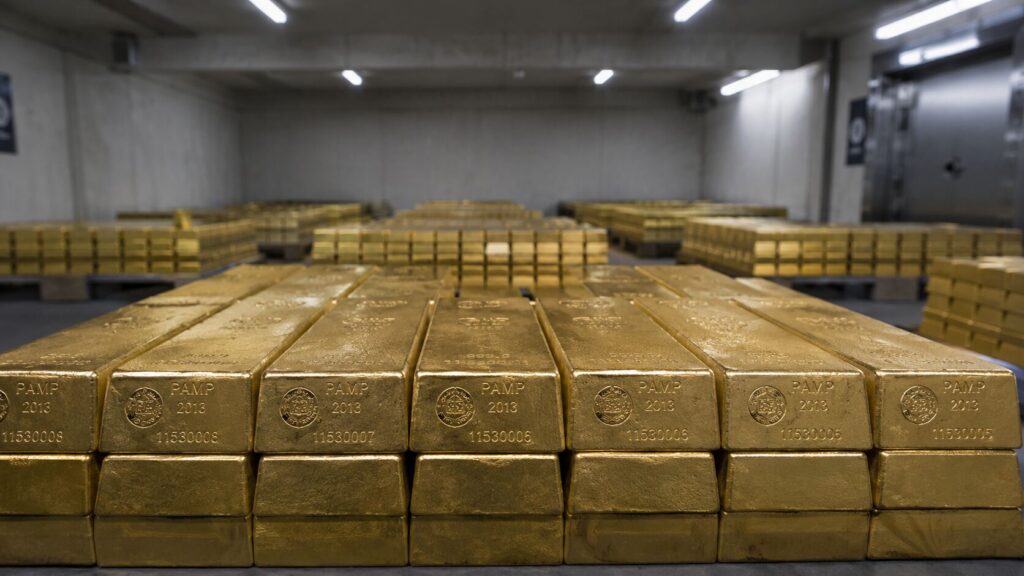
Central banks reshape gold markets through the most concentrated sovereign buying in decades — but that’s only one of five forces moving gold right now. Physical investment is overtaking jewelry demand for the first time on record. Russia’s figures don’t add up. China just hit the brakes. Here’s what’s driving the market.
Gold Price History: From $35 to $4,500 in 100 Years
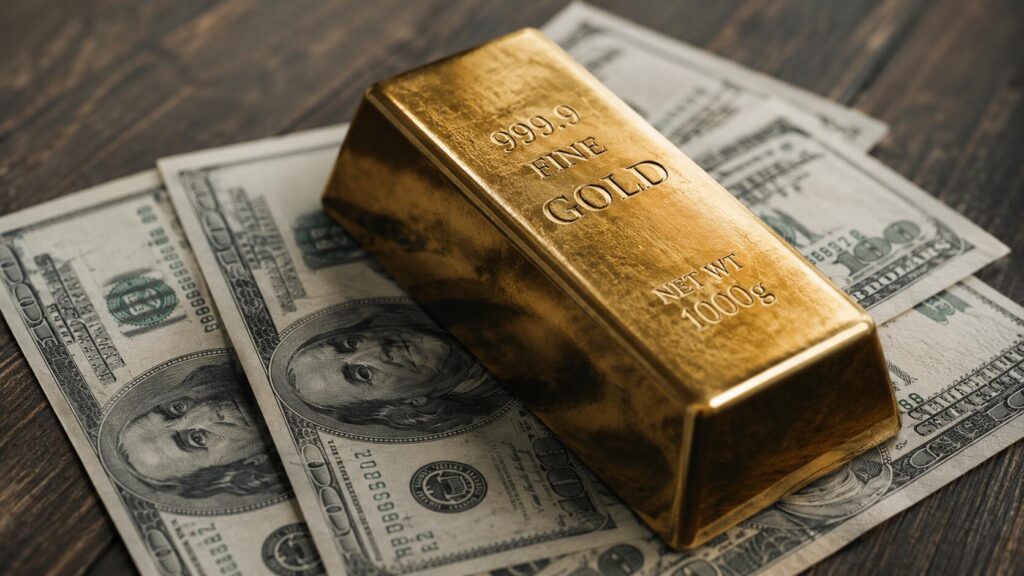
Gold went from $35 in 1971 to around $4,500 today — a 12,000% gain since the gold standard ended. Meanwhile, the dollar lost 96.9% of its purchasing power over the same period. These are not two separate stories. This is the complete gold price history: decade by decade, the real cause behind every major move, and what a century of data tells investors right now.
The Debasement Trade Explained: Mechanism, History, and What It Means for Gold
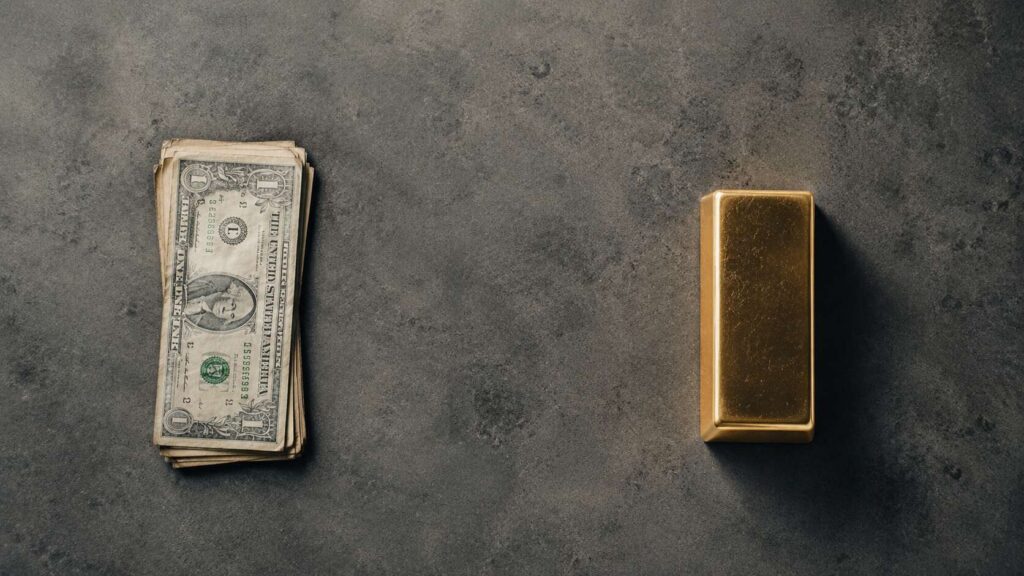
Five years ago, “debasement trade” was Austrian economics jargon. Today Goldman Sachs, Citi, and J.P. Morgan use it in their research notes. Here’s what it means, why it works, and why gold and silver are the primary instruments.


