 Silver Rises Over 120% YTD




How Gold’s Correction Impacted Portfolios
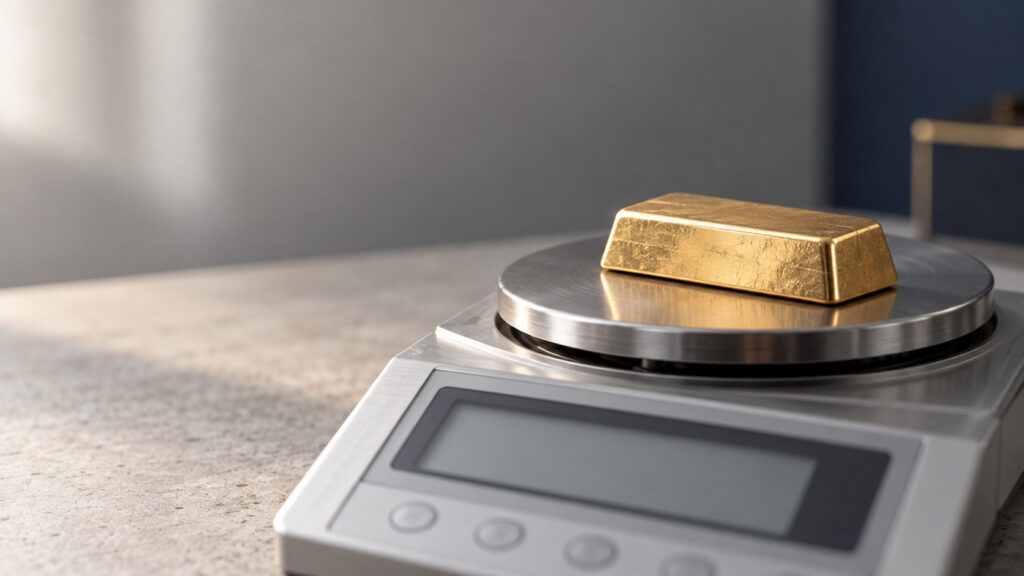
A Fed chair who won’t forecast leaves owners watching the calendar. This post takes gold’s fall from its record close to its 2026 low, shows what it cost at three portfolio weights, and lists what the arithmetic cannot tell an owner.
Gold Fields’ $27 Billion Bid Got Rejected. The Reason Is a Risk Bullion Doesn’t Carry.

Northern Star’s board unanimously rejected Gold Fields’ $27.1 billion takeover bid this week, citing jurisdictional risk in the stock-heavy offer and a shrinking premium. The decision is a clean example of a risk layer that physical gold buyers never have to weigh.
Central Banks Hold 80% of Reserves in Gold. Sovereign Wealth Funds Hold Under 1%.

Central banks hold more than 80% of reserves in gold. Sovereign wealth funds hold under 1%. Here’s how every major institution actually allocates, and where you fit.
How Much Silver Should You Own? A Portfolio Allocation Guide by Age and Goal
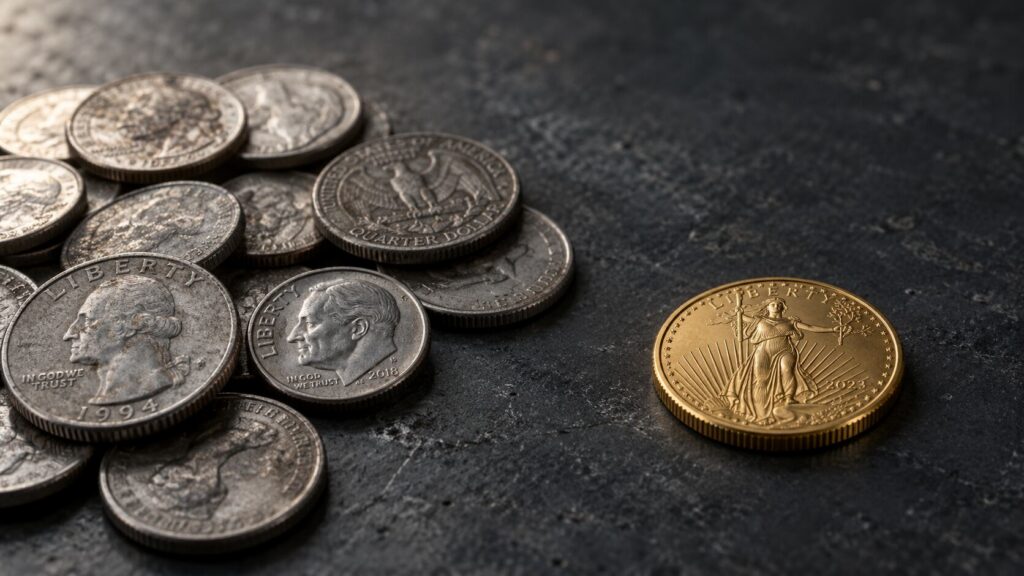
There is no Dalio-style institutional rule for silver the way there is for gold. This piece derives one using the live gold-silver ratio, silver’s dual monetary-and-industrial risk profile, and an age-and-goal framework that extends GoldSilver’s own gold-allocation guide.
Gold Fell 1.62% Today. Gold Miners Didn’t. Here’s the Math.

Gold mining stocks didn’t fall as fast as bullion today. The reason is operating leverage, and its limits: miners carry reserve depletion, debt and equity risk that physical gold never does. Here’s the mechanism, and what it means for how you hold your metal.
How Much Gold Should You Own at 25, 45, or 65?

How much gold should you own at 25, 45, or 65? The right allocation isn’t a fixed percentage. It moves with your time horizon, income needs, and volatility tolerance, and this decade-by-decade framework shows you how, using the same models Morgan Stanley and Bridgewater actually rely on.
Tokenized Gold: What It Actually Is, and Where the “Just Like Owning Gold” Pitch Breaks Down

Tokenized gold (PAXG, XAUT) is a $5-6 billion category with $90.7B in Q1 2026 trading volume. But redemption thresholds, issuer counterparty risk, and a gap in the GENIUS Act mean holding a token is not the same as owning physical gold. Here is where the mechanics actually diverge, and what the pending CLARITY Act vote could change.
Gold/Silver Ratio September 2026: What a 12-Week Round Trip Is Telling Holders

The gold/silver ratio swung from 61.7 to 70.4 and back to 66.3 in just twelve weeks, a round trip far wider than its normal range. Here is what the swing reveals about silver’s higher-beta relationship to gold, and how to size a silver position with that asymmetry in mind rather than chasing any single ratio reading.
Why Your Pension Can Own Gold and Your 401(k) Still Can’t
Pension funds have owned gold for decades. 401(k) plans almost never do, and it isn’t because gold is a bad idea. A new federal rule is trying to close that gap. Here’s what it changes, and what it doesn’t.
What Is the Permanent Portfolio? Harry Browne’s 25% Gold Allocation Explained

Most advisors cap gold at 5–15% of a portfolio. Harry Browne’s Permanent Portfolio puts it at a full 25%. This piece unpacks why he drew the line there, how the strategy held up in 2008, the 1970s, and 2022, and what the honest case against it looks like.


