 Silver Rises Over 120% YTD




What Is the Debt-to-GDP Ratio, and What the US Number Tells You About Gold

The debt-to-GDP ratio measures a government’s debt against the size of its economy. See what America’s 122.6% reading means, how it compares to Japan and Italy, and why it keeps pointing back to gold.
Bernstein Just Cut Its Gold Forecast — By Breaking Gold’s Oldest Rule to Defend It

A Wall Street bank just admitted real interest rates alone no longer explain gold’s price. Here’s the central-bank allocation data Bernstein says matters more than the next rate decision, and why one major bank reached the opposite conclusion in July.
What Is ZIRP (Zero Interest Rate Policy) and How It Changed Gold Forever
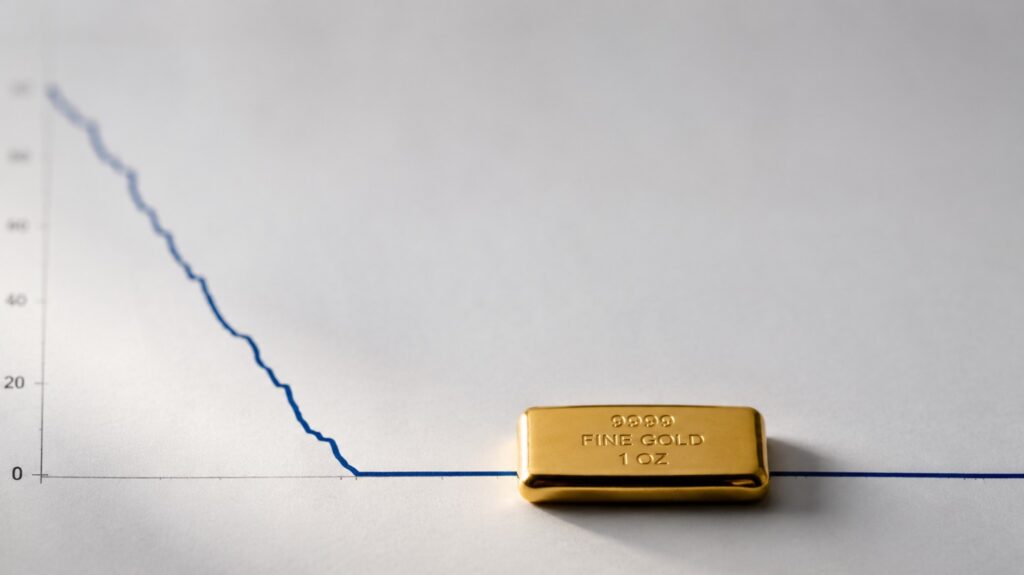
A zero interest rate policy holds the central bank’s short-term target at or near zero. The Federal Reserve did it twice, for nine of fourteen years. But zero rates alone never moved gold. The real policy rate did, and it explains today’s market better than the headline number does.
What Is Purchasing Power — and Why Every Dollar You Save Is Slowly Being Taxed Away
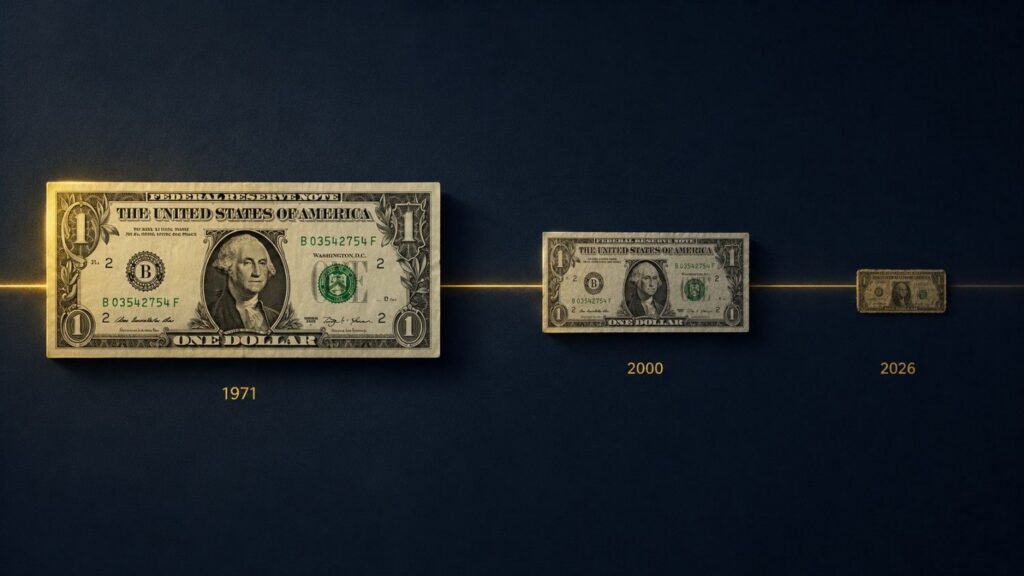
The dollar has lost 87% of its purchasing power since 1971. Learn what purchasing power actually is, why fiat currency erodes it, and why gold doesn’t.
How Do Gold Price Cycles Work? A Framework Across Four Time Horizons

Gold price cycles operate across four distinct time horizons — from 40-year structural waves to annual seasonal patterns. Here is the complete framework.
Why Is Gold So Expensive? The 5 Mechanisms Behind the Price
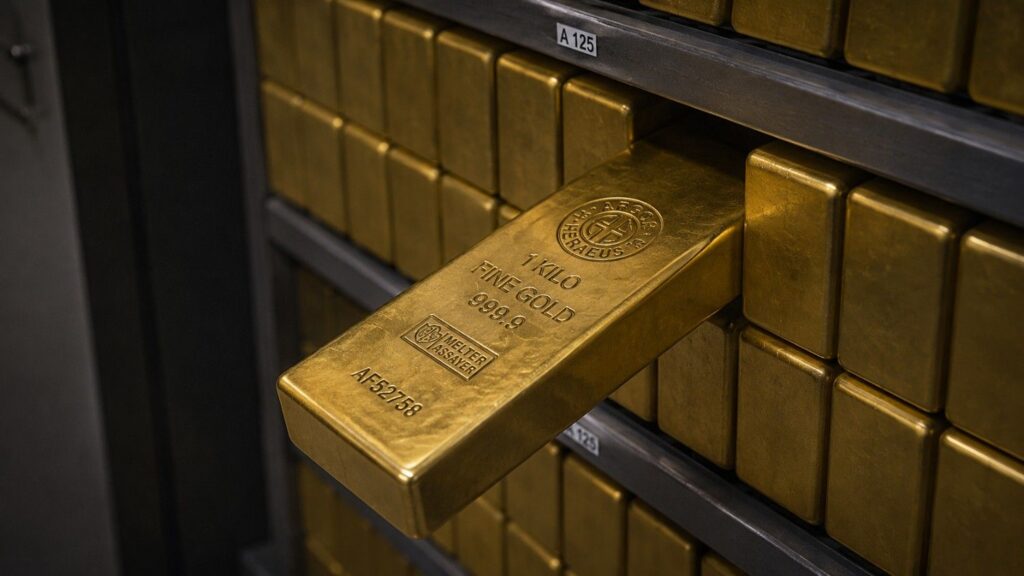
Gold costs roughly $4,000 per ounce today. Here are the five specific, measurable forces that explain exactly why — and why every major bank expects the price to go higher.
Gold vs. Savings Account: Which One Is Actually Beating Inflation Right Now?

With inflation at 4.2% and the national average savings rate at 0.38%, your savings account is earning a real return of approximately negative 3.8% per year. This article explains what a savings account and gold each actually do — and which one is built for the job of protecting your purchasing power over the long term.
TIPS Protect Against Inflation. Gold Protects Against More.

TIPS and gold both claim to hedge inflation — but they work through opposite mechanisms and fail in different scenarios. Here is the honest comparison every long-term investor needs to understand.
Gold Price History: From $35 to $4,500 in 100 Years
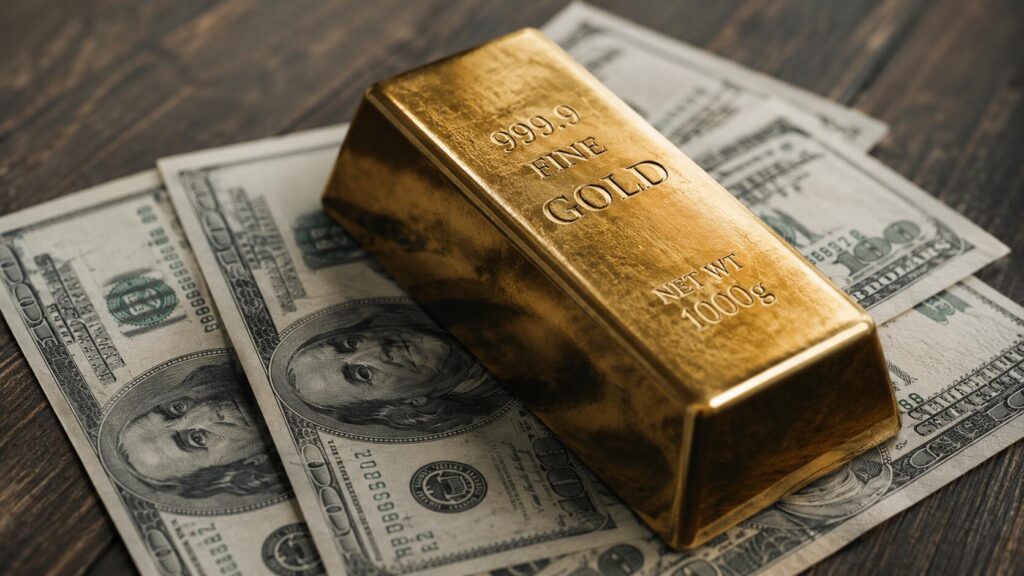
Gold went from $35 in 1971 to around $4,500 today — a 12,000% gain since the gold standard ended. Meanwhile, the dollar lost 96.9% of its purchasing power over the same period. These are not two separate stories. This is the complete gold price history: decade by decade, the real cause behind every major move, and what a century of data tells investors right now.
What Moves Gold Prices? 6 Key Gold Price Factors Explained
Gold hit an all-time high of $5,589 in January 2026 — then pulled back 18%. Here are the six macroeconomic factors that move gold prices, and why understanding them matters more than tracking the daily chart.


