 Silver Rises Over 120% YTD




Why Silver Falls While Gold Rises: What It Means for You

Gold and silver often move in opposite directions — and most investors don’t know why. This piece breaks down the real reason behind the divergence, how the gold-to-silver ratio signals opportunity, and what it means for your allocation strategy.
Gold/Silver Ratio Hits 61.1 — Silver’s Turn to Run
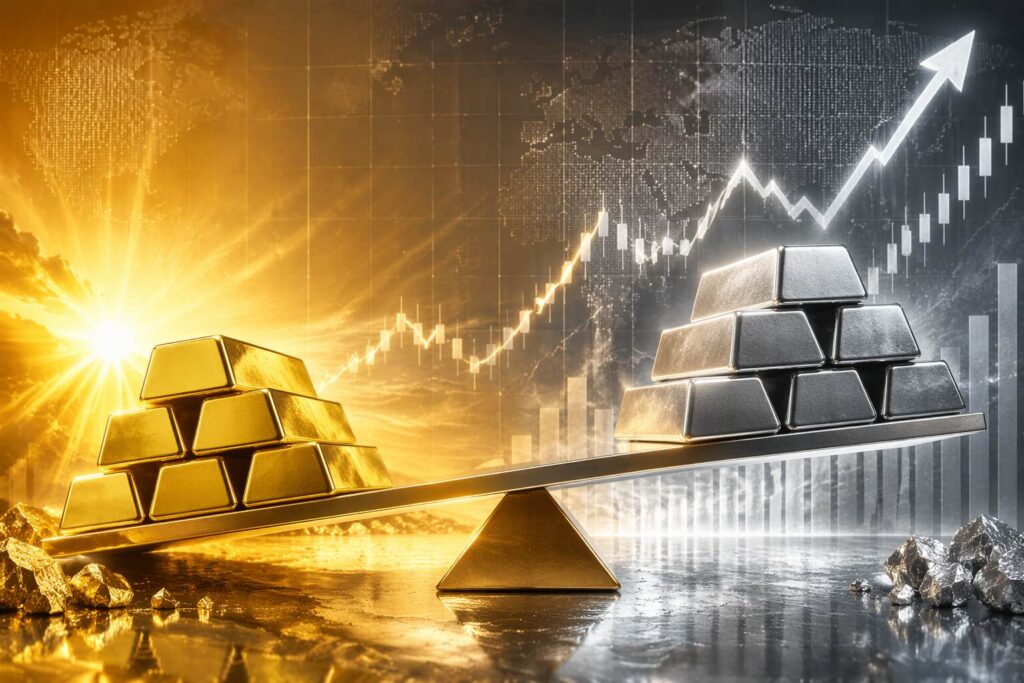
Silver is outpacing gold for the second straight day as the gold/silver ratio compresses to 61.1. With a six-year supply deficit, stagflation signals, and central bank buying accelerating, silver’s structural case is finally finding its moment.
Gold & Silver Supply and Demand: What Really Drives Prices Over Time
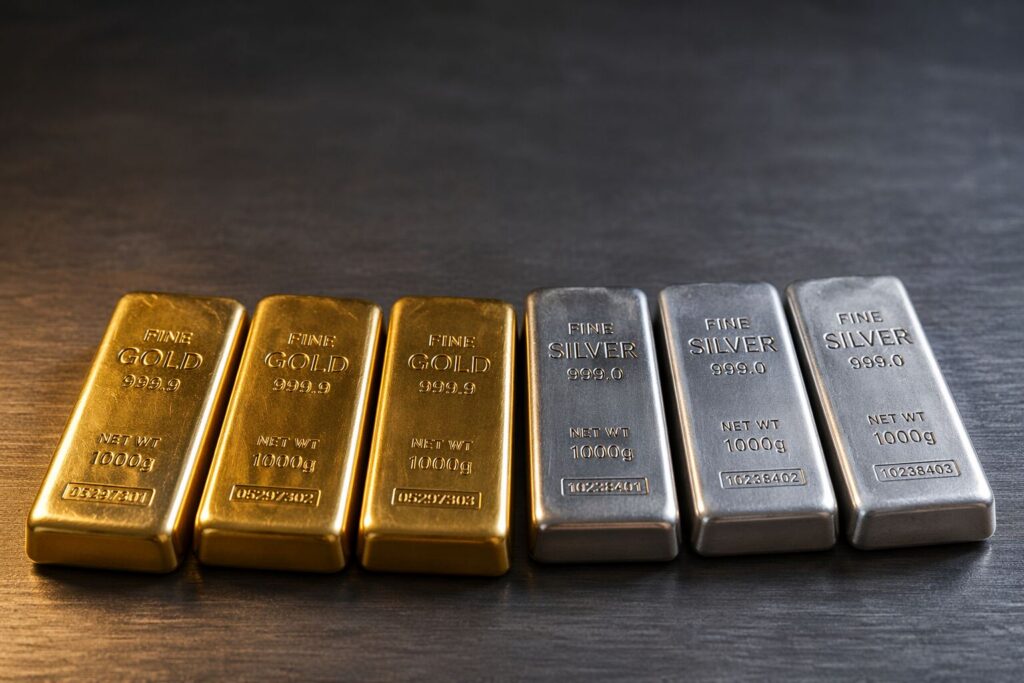
Gold and silver prices don’t move by chance. Discover the key supply and demand forces — from central bank activity and real interest rates to silver’s growing industrial role in solar and EVs — that drive precious metals prices over time and what they mean for your portfolio.
Fewer Losses, Better Returns: How Gold and Silver Diversify Your Portfolio

Gold and silver have long been trusted tools for protecting wealth. Discover the role precious metals play in portfolio diversification, inflation hedging, and safeguarding your financial future during economic uncertainty.
How Government Debt Affects Gold and Silver
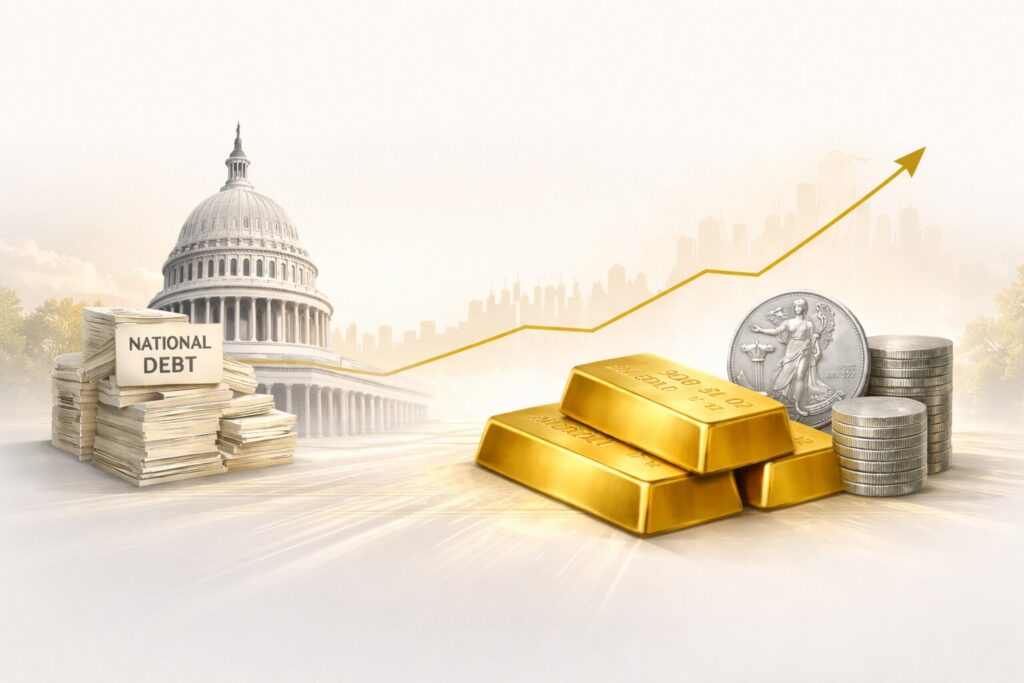
As government debt reaches record levels, gold and silver are emerging as critical hedges against inflation, currency devaluation, and declining confidence in sovereign financial systems. This article breaks down the key mechanisms linking national debt to precious metals prices, explores a decade of historical performance data, and provides actionable portfolio allocation strategies for investors looking to protect their wealth in an era of fiscal excess.
London Gold Fixing: Key Factors That Influence Global Gold Prices
For more than a century, the London Gold Fixing—now the LBMA Gold Price—has set the benchmark that guides global gold transactions. Today’s transparent, twice-daily electronic auctions reflect real-time supply and demand, shaped by central bank policies, inflation, currency movements, geopolitics, and physical market fundamentals. Understanding these forces helps investors interpret price movements and make more informed decisions in the precious metals market.
What Record-High Gold Prices Mean for New Investors
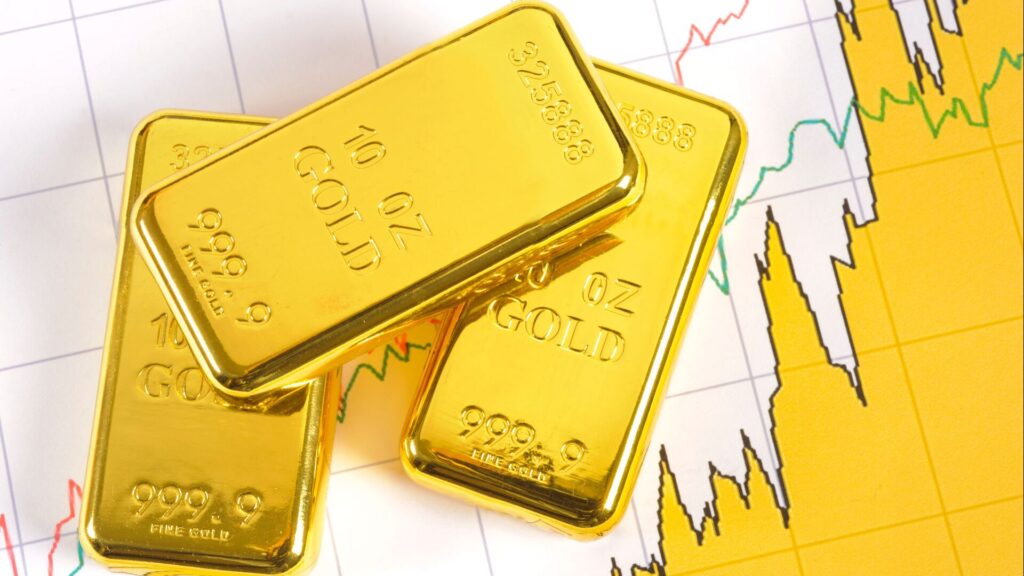
Gold has shattered records in 2025, surpassing the historic $4,000 per ounce milestone — and as of October 8, spot gold is trading as high as $4,041.71. Futures have climbed even higher, pushing toward $4,063.70. That’s up over 52% year-to-date. Even at these elevated levels, first-time investors are moving in, recognizing gold’s enduring role as a hedge against today’s economic uncertainty. Why First-Time Investors Are Embracing Gold at Peak Prices The rush of new gold buyers reflects a perfect storm of economic pressures that have undermined confidence in traditional assets. Persistent inflation, trade tensions, and growing doubts about central bank […]
Timeless Wealth: How Gold and Silver Have Anchored Economic Stability for Centuries
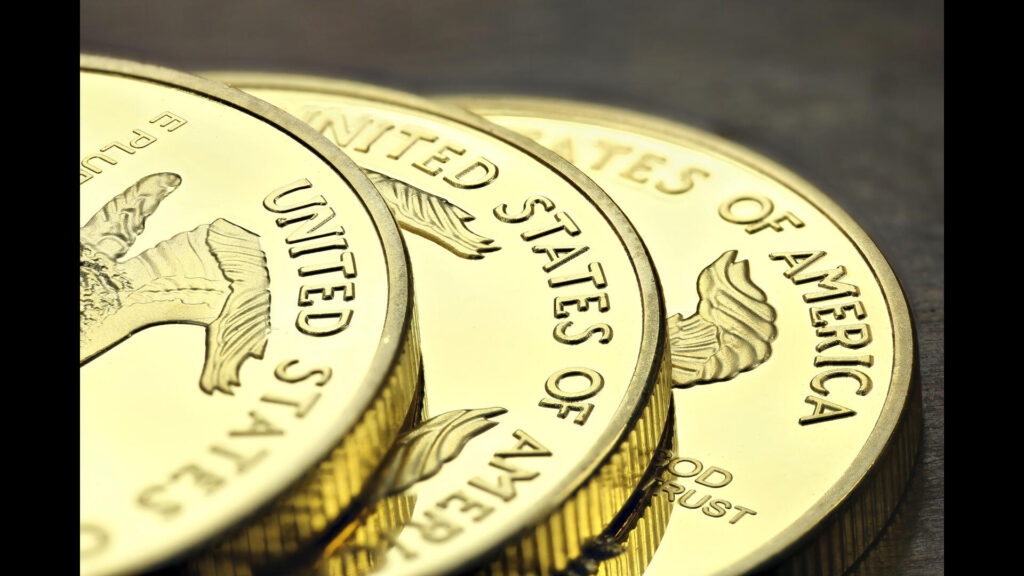
Gold and silver have long been more than just coveted metals—they’ve been cornerstones of global commerce and monetary trust. Throughout history, civilizations relied on these metals not only for their beauty but for their unmatched ability to promote economic stability. For those exploring how gold silver economic stability continues to shape modern financial strategies, history offers profound lessons with enduring relevance. Understanding the historical role of gold and silver coinage helps today’s investors and policymakers make sense of a global economy full of volatility. The enduring connection between precious metals and economic stability shows why these assets remain essential tools […]
Capital Rotation: A Rare Opportunity for Precious Metal Investors
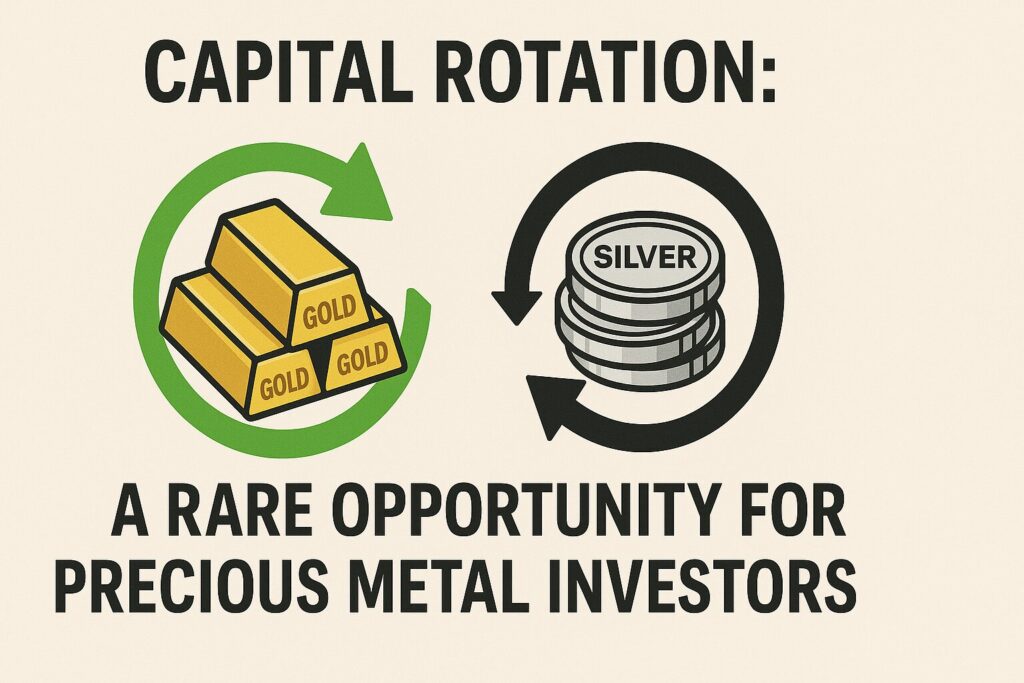
Learn how capital rotation precious metals indicators help investors identify market shifts and optimize portfolio allocation for better returns.
How Gold Protects Your Portfolio During Recessions
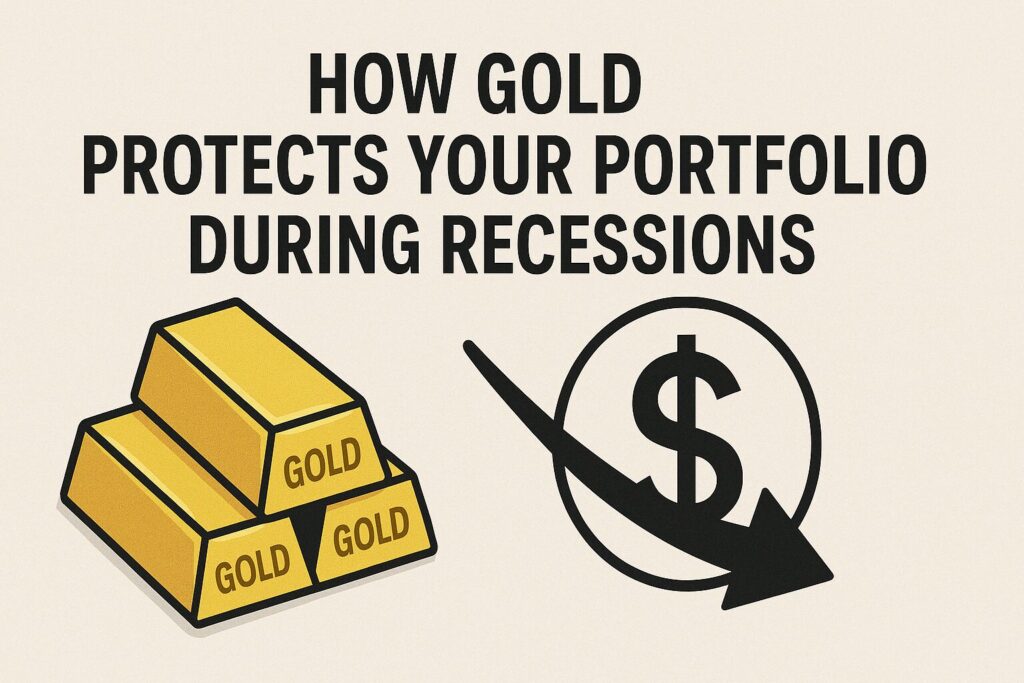
When the economy starts to falter, smart investors often reach for gold. Acting as a proven gold recession hedge throughout market cycles, this precious metal offers a financial sanctuary during uncertain times. But why exactly do gold and silver become so valuable when times get tough? Throughout history, gold has been the go-to safe haven when other investments start to crumble. While stocks dive and real estate cools during recessions, gold often follows its own path — one that can help keep your overall wealth intact. What Makes Gold Special During Tough Economic Times? When recession hits, traditional investments typically […]


