 Silver Rises Over 120% YTD




$1 Trillion in New Loans. $0 in New Reserves. Here’s What Banks Are Betting On.
US banks added $1.04 trillion in loans since July 2025 and set aside nothing extra to cover them. Christopher Whalen argues the spotless loss rates measure house price inflation rather than health, and that the risk quietly moved elsewhere. We checked his numbers, and three did not survive.
Why Your Savings Lose Value — And How Gold Fixes the Leak
Modern investing feels overwhelming because the system — not the investor — is broken. Fiat currency punishes savers, forces speculation, and creates the leaky bucket problem at the center of modern financial stress. Here’s what’s actually draining your wealth, and why gold may be the simplest way to fix it.
Kevin Warsh Wants to Fix the Fed. The Math Says He Can’t.
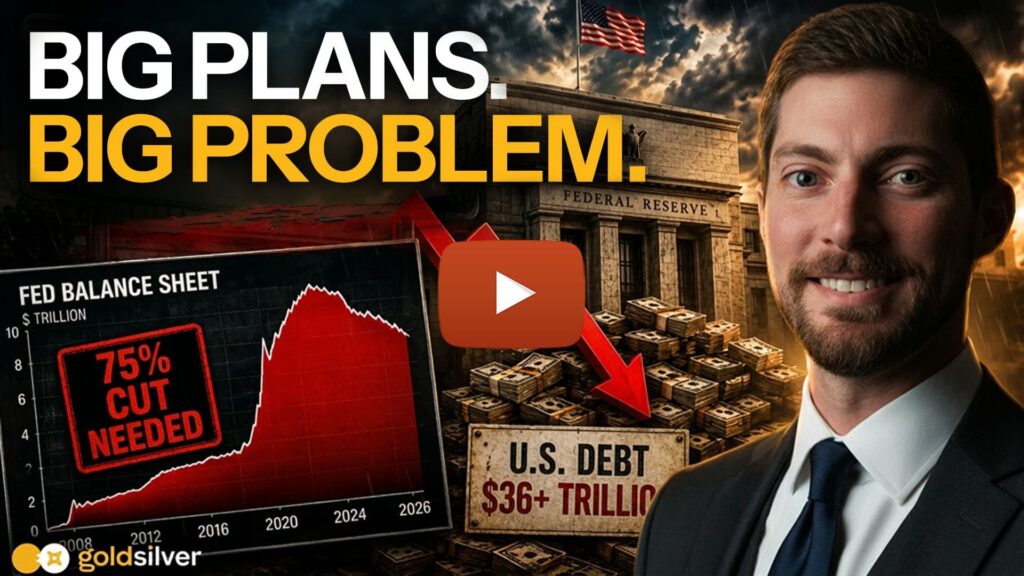
Kevin Warsh arrived at the Fed with a bold agenda — shrink the balance sheet, normalize policy, restore credibility. But with $6.7 trillion in assets, global bond yields at multi-decade highs, and markets pricing in rate hikes instead of cuts, the math is working against him. Alan breaks down why the plan may be dead on arrival and what it means for gold.
What Do Central Banks Know About Gold That You Don’t?
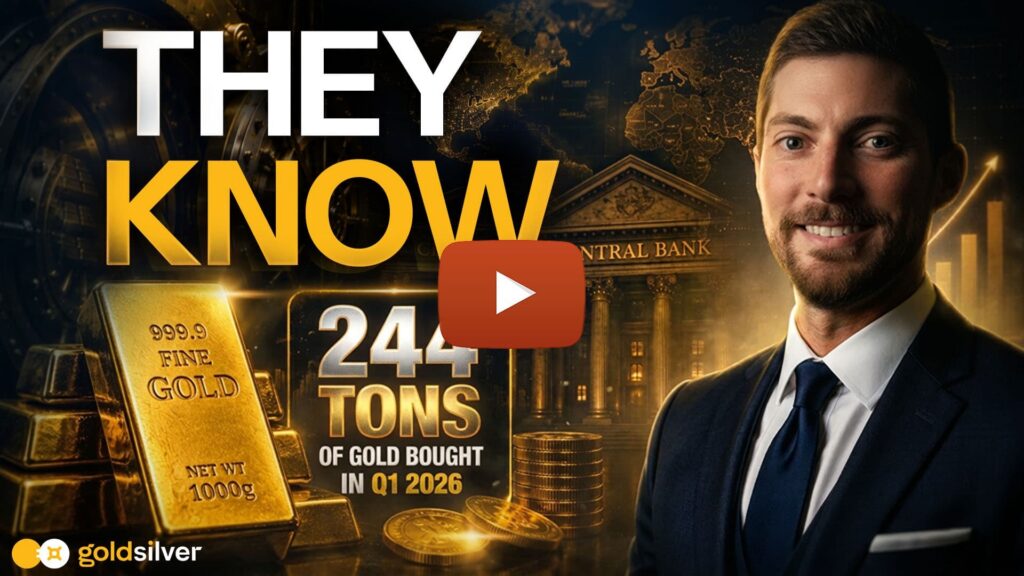
Central banks purchased a net 244 metric tons of gold in Q1 2026 — the fastest pace in over a year — despite prices hitting a record $5,405 per ounce. The World Gold Council data reveals who’s buying, who’s selling, and why this relentless accumulation at all-time highs signals a growing loss of confidence in fiat currencies. If central banks are protecting themselves regardless of price, the rest of us should be paying attention.
Why Peace Is Bullish for Gold in 2026 (And War Isn’t)
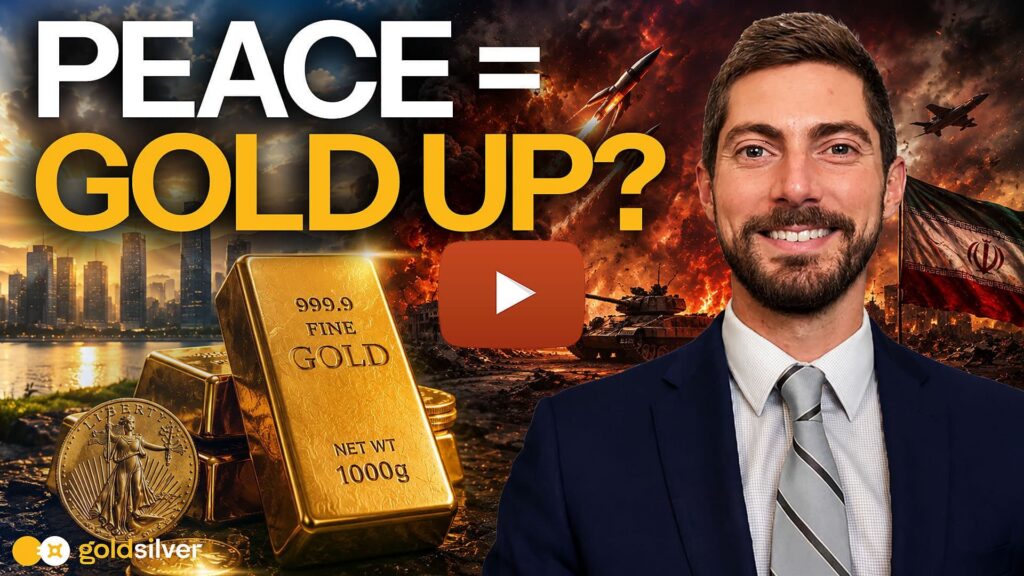
War usually pushes gold higher. But since Operation Epic Fury began in February 2026, the opposite has played out — gold sells off on escalation and rallies on peace. The reason ties back to fiscal dominance, oil prices, and the path to lower interest rates. This article breaks down the pattern, the macro logic behind it, and what it means for short-term and long-term gold investors.
The Dollar Is Losing Ground. Here’s Why It Matters.
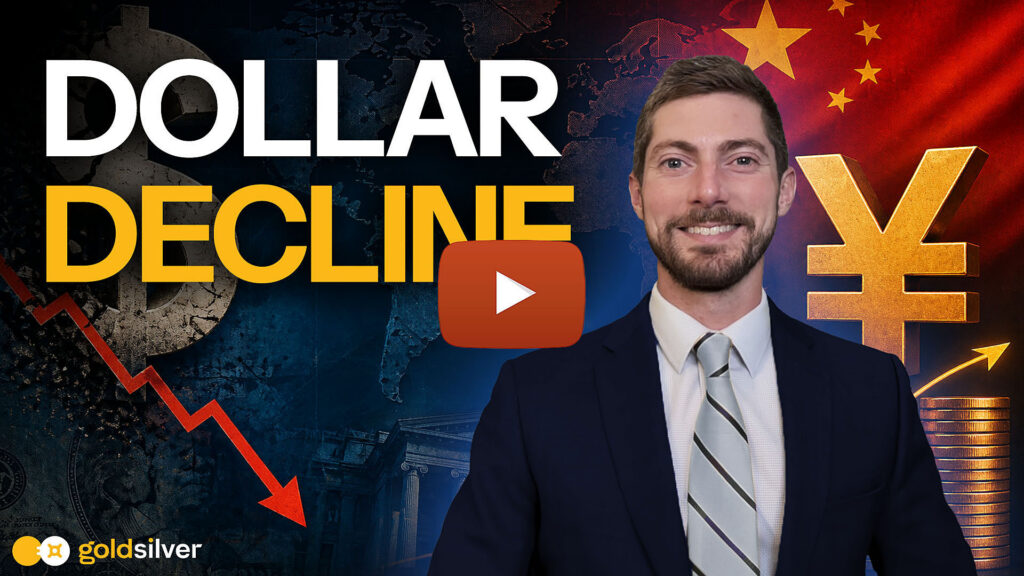
Most dollar headlines are either pure panic or total dismissal. The truth is more uncomfortable. Harvard economist Kenneth Rogoff predicts the yuan becomes a global reserve currency within five years — and IMF data shows the dollar’s share of global reserves has been quietly falling for over two decades. Here’s what that slow shift actually means for your purchasing power.
Gold vs. Stocks: What Long-Term Ratios Are Telling Investors

US household equity exposure just hit an all-time high. The Buffett Indicator is near record levels. And gold has quietly outperformed the S&P 500 — including dividends — since 2002. Here’s what the long-term data is saying.
Silver broke a historic record. The bigger signal isn’t the price.
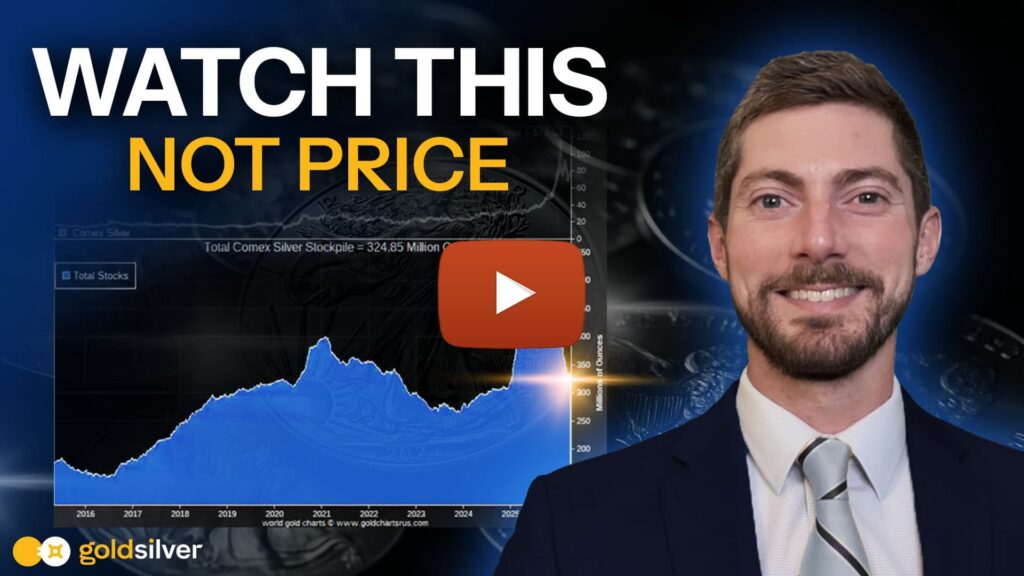
Silver’s price is getting all the attention. But COMEX inventory drawdowns, a historic 10-month closing streak, and a Bank of America forecast ranging from $135 to $309 suggest the bigger story is happening beneath the surface.
Does Timing the Gold Market Work? What 56 Years of Data Shows
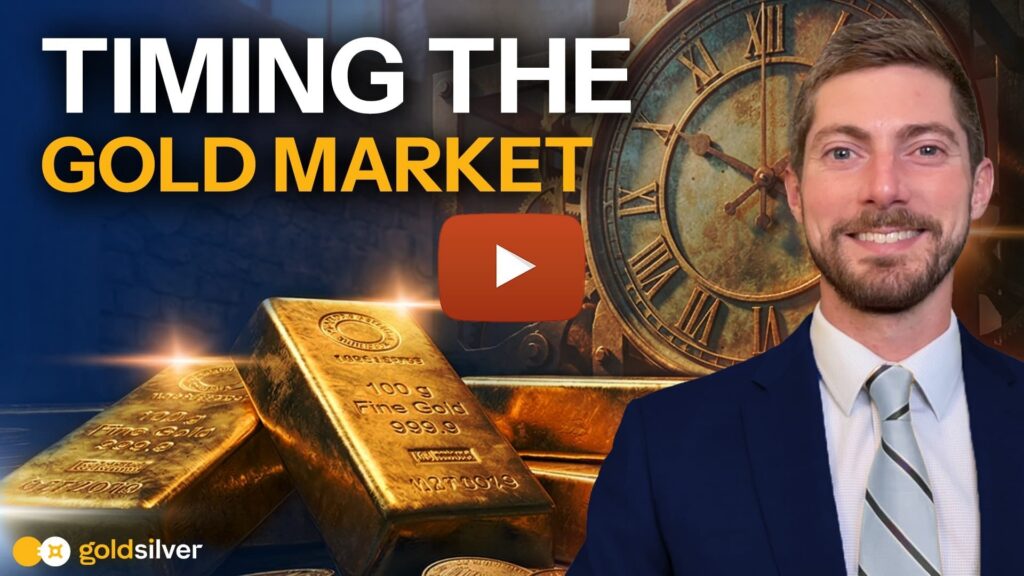
Most investors try to avoid buying gold at the wrong time—but decades of data show that timing the gold market can quietly destroy returns. The vast majority of gold’s long-term gains come from just a handful of unpredictable trading days each year. Miss them, and performance collapses. This analysis reveals why staying invested—not timing entries and exits—is the only reliable way to capture gold’s full return potential.
What Is Velocity of Currency — and Why It Matters
The Fed has created trillions in new currency. So why doesn’t inflation always follow immediately? The answer is velocity — and understanding it changes everything about how you read today’s economic headlines.


