 Silver Rises Over 120% YTD




Central Bank Gold Buying: Why 39 Tonnes Matters

Central banks reported 39 tonnes of net gold purchases in August 2026. The latest data highlights multiyear reserve plans and practical lessons for physical gold owners.
The Case for Holding Gold Long Term

Long-term gold ownership is about more than price appreciation. Discover why physical gold, secure vaulting, and a patient approach can make wealth preservation simpler, without turning every market move into another decision.
How 3.7% Inflation Impacts Wealth Preservation

U.S. inflation reached 3.7% in September 2026, but gasoline prices climbed 34.2%. Why the official rate may not match your household’s experience—and what it means for protecting purchasing power.
Gold Just Ignored a War. Here’s What It’s Actually Watching.

Gold and silver fell Monday even as a shut Saudi pipeline and a struck vessel in the Strait of Hormuz raised the stakes in the Middle East. The real driver: Fed rate-hike odds jumped to 86.5% two days before Wednesday’s decision.
How Much Gold Should You Own at 25, 45, or 65?

How much gold should you own at 25, 45, or 65? The right allocation isn’t a fixed percentage. It moves with your time horizon, income needs, and volatility tolerance, and this decade-by-decade framework shows you how, using the same models Morgan Stanley and Bridgewater actually rely on.
Do You Have to Report Gold Stored in a Foreign Vault? FBAR and FATCA Rules Explained

The IRS says directly held gold isn’t reportable under FATCA. FBAR asks a different question, one that depends on your vault’s custody structure, not the metal or the country. Here’s the distinction, straight from IRS and FinCEN’s own text.
Two Investors Ran the Debt Math Separately. Both Landed on 15% Gold.

Ray Dalio’s August 21 post cited an $11 trillion debt-service figure behind his call to hold 10-15% of a portfolio in gold. Days later, gold-app CEO David McAlvany independently reached a strikingly similar conclusion — and neither man sizes bitcoin anywhere close to gold.
Your Bank Balance Is Lying to You. The Number Is Real. The Wealth Isn’t.

Your bank balance shows a number. That number is not your wealth — it’s a measuring stick. And measuring sticks can shrink. Megan King Diaz explains why, and what actually holds its value.
14 Million Coins Sold. Zero Design Changes in 35 Years. Here’s Why Investors Keep Choosing the Philharmonic.

The Austrian Gold Philharmonic has been struck in .9999 fine gold by the Münze Österreich every year since 1989. Over 14 million coins have been distributed worldwide. Here is what serious buyers need to know about its specifications, IRA eligibility, premium structure, and how it compares to the American Gold Eagle.
M2 Money Supply: The Number That Makes Your Portfolio Meaningless
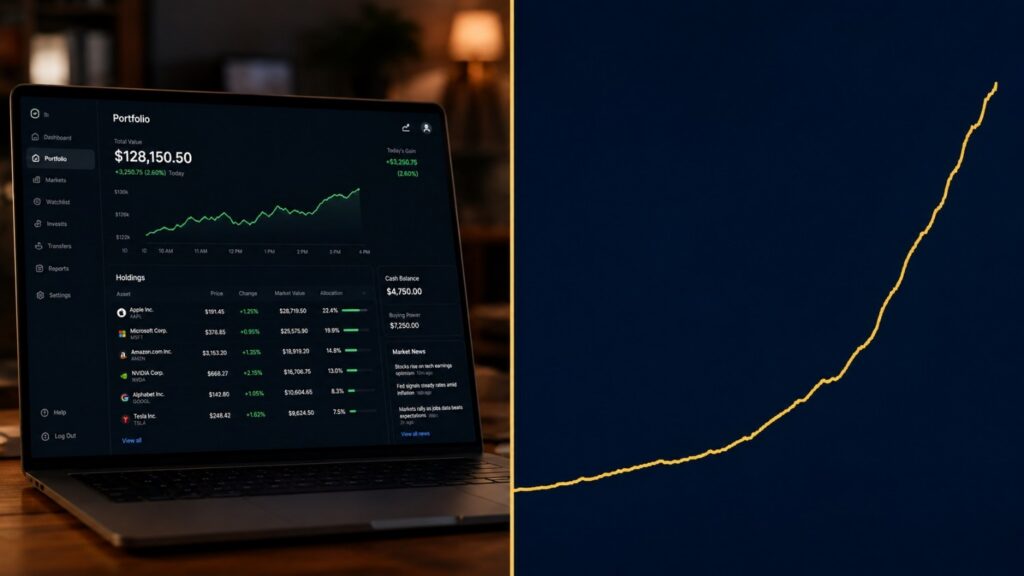
Most investors check their portfolio every day. Very few have ever looked at a chart of M2 money supply. That gap — between what feels important and what actually is — turns out to be one of the most expensive mistakes a long-term saver can make. Here is what M2 is, why it grew 55 percent since 2020, and why it tells you something your portfolio never will.


