 Silver Rises Over 120% YTD




How COMEX Sets Gold Prices and Moves the Market
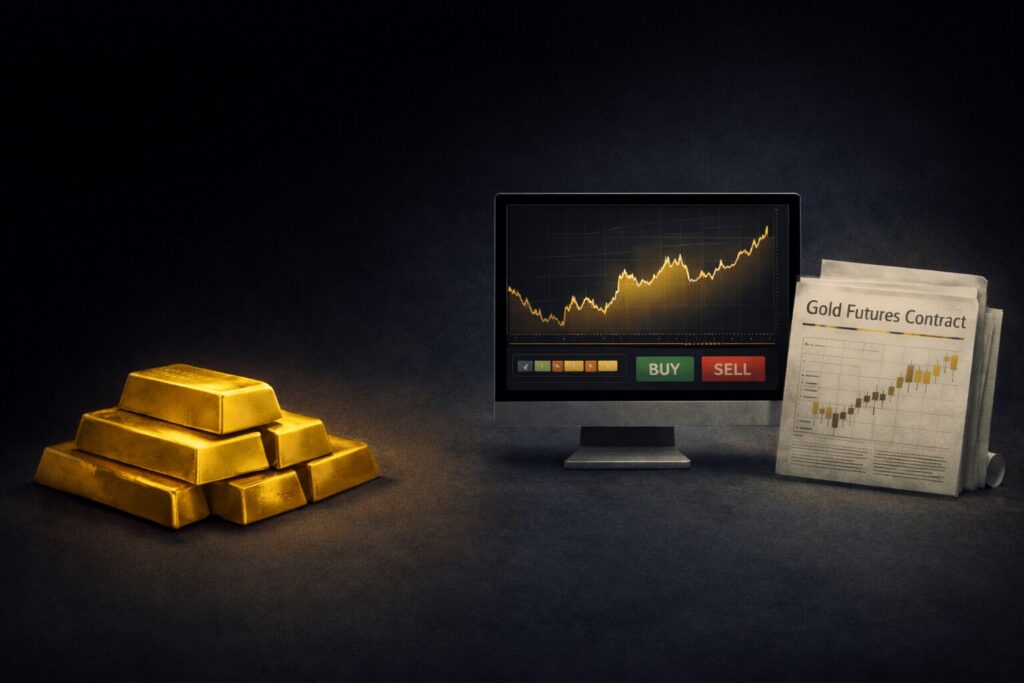
COMEX gold prices drive the global market, but most investors don’t fully understand how. This guide explains how gold futures trading on COMEX sets the daily price of gold, why most contracts never result in physical delivery, and how “paper gold” can influence short-term volatility—even when physical demand remains strong.
Paper Gold vs Physical Gold: Which Is Safer?

When markets turn volatile, the difference between paper gold vs physical gold becomes critical. While ETFs, futures, and unallocated accounts offer convenient price exposure inside the financial system, physical gold provides direct ownership outside of it. Understanding counterparty risk, margin-driven volatility, and ownership structure helps investors choose the approach that aligns with long-term wealth preservation and portfolio protection goals.
Gold Just Closed Above $5,000. What Happens Next?

Gold has officially posted a weekly all-time high above $5,000, signaling sustained momentum rather than short-term volatility. History shows that clusters of record weekly closes often occur during the strongest phases of a bull market. From the 1970s surge to today’s extended streak, past cycles suggest the most explosive gains have historically come later — not earlier. Could this pattern point toward a powerful final phase into 2027?
Selling Gold and Silver Safely: A Complete Sellback Guide

Selling gold and silver safely? Understanding where and how to sell is just as important as knowing when. This complete sellback guide explains your options, how live buyback pricing works, and how to ensure secure handling and fast payment whether your metals are stored at home or in a vault.
Retail Investors Just Set a Record. History Says Be Careful.

Retail investors just poured a record $48 billion into U.S. stocks in 21 days — at all-time highs. History shows similar surges in optimism often occur near major market peaks, including 1999 and 2007. With household equity allocations at historic extremes, the bigger question isn’t just how high stocks can go — but how much risk is quietly building beneath the surface.
How Margin Hikes Increase Gold and Silver Volatility
Margin hikes can dramatically increase gold and silver volatility — not because fundamentals change, but because leveraged traders are forced to unwind positions. When exchanges like the CME raise margin requirements, cascading liquidations can accelerate corrections and intensify price swings. Understanding how leverage works in futures markets — and how it differs from owning physical metal — is essential for navigating today’s precious metals market.
Commodity Balance: How to Build the Right Gold and Silver Mix

Discover how to strategically balance gold and silver in your investment portfolio. This comprehensive guide analyzes the gold-to-silver ratio, historical performance data, and risk-reward profiles to help smart investors optimize their precious metals allocation. Learn specific allocation strategies for conservative, moderate, and aggressive portfolios while understanding how industrial demand, inflation protection capabilities, and market dynamics affect each metal’s investment potential.
What Are Margin Requirements? Why CME’s Hike Triggered a Silver Crash
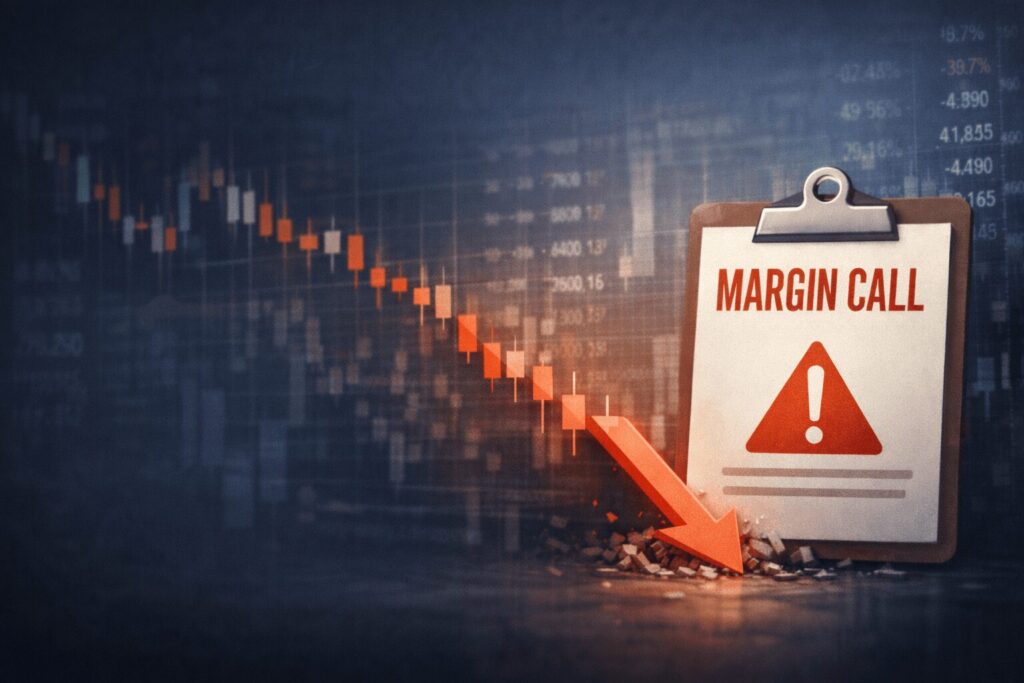
CME’s margin requirements silver hike played a central role in the dramatic collapse from $120 to the $70s in early 2026. After a historic rally fueled by leverage and speculation, the exchange raised margins from 15% to 18%, forcing traders to post more capital or liquidate positions. The result: cascading selloffs, amplified volatility, and a textbook example of how leverage can accelerate both gains and losses in precious metals markets.
COMEX Default in March? The Truth Behind the Silver Shortage Claims
Is a COMEX Silver Default in March really looming? With 400 million ounces of open interest and only 100 million ounces registered, headlines suggest a breaking point. But the math behind the panic misunderstands how futures delivery actually works. Here’s what investors need to know about open interest, delivery mechanics, and the real probability of a COMEX default.
Are Gold and Silver Taxed Differently? What the IRS Actually Says
Are gold and silver taxed differently? Many investors assume so — but the IRS treats them the same. Learn how gold and silver are taxed, what the collectibles classification means, how state sales taxes differ, and how IRAs can change the tax picture.


