 Silver Rises Over 120% YTD




Xi Lands in Washington. Gold and Silver Both Retreat, and Silver Falls Harder.

Both metals retreated Wednesday as Xi arrived in Washington and two Fed presidents doubled down on a hawkish rate message. Silver fell more than twice as hard as gold, widening the gold-silver ratio to about 66.2 ahead of Thursday’s formal summit talks.
The Real Price of a 1 Gram Gold Bar Isn’t $140
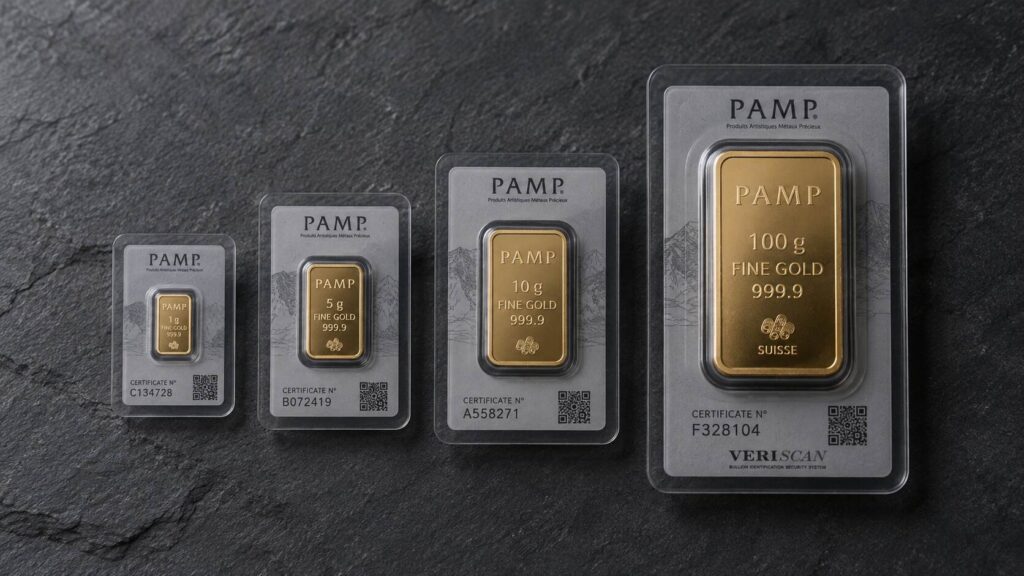
Gram bars are the priciest way to own gold by percentage, but they are also the only real entry point for a first purchase or a meaningful gift. Here is the fixed-cost mechanism behind the premium, and which sizes actually make sense for accumulating.
UBS Holds Its Silver Target. The Market Already Got There First.
UBS’s silver forecast hasn’t moved since August. The gold-silver ratio has, falling to a 2-week low of 64.9 through a Fed rate hike that should have made silver’s job harder. The market got where UBS said it was going, before UBS noticed.
China Imported 1,000+ Tonnes of Gold in Eight Months. Its Central Bank Bought Only 80.
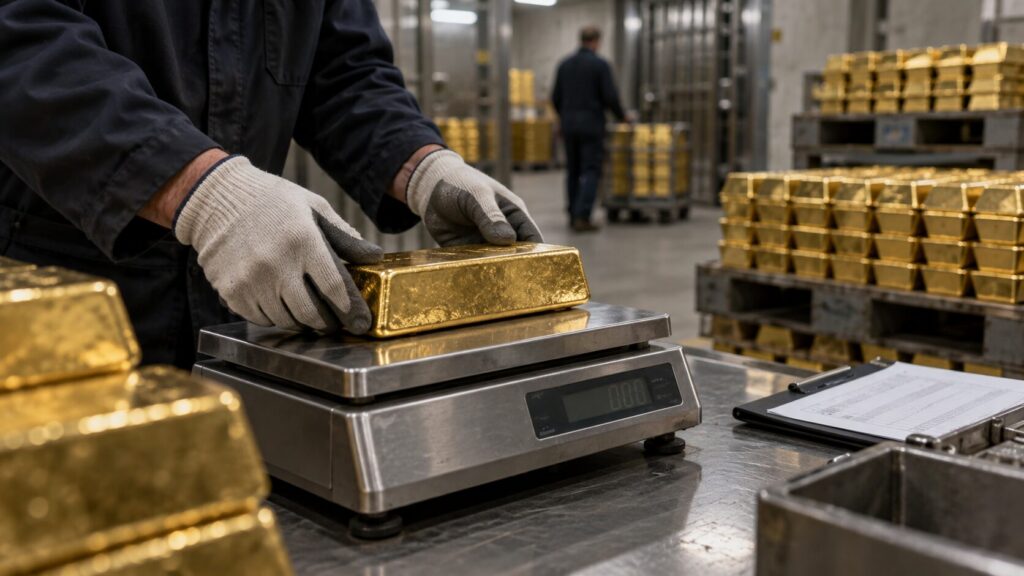
China’s central bank added just 80 tonnes of gold in eight months. So who imported the other 1,000-plus tonnes? A wave of household and institutional buying betting that gold is worth owning now, not later.
Cheapest Way to Buy Gold? We Measured 110 Live Prices
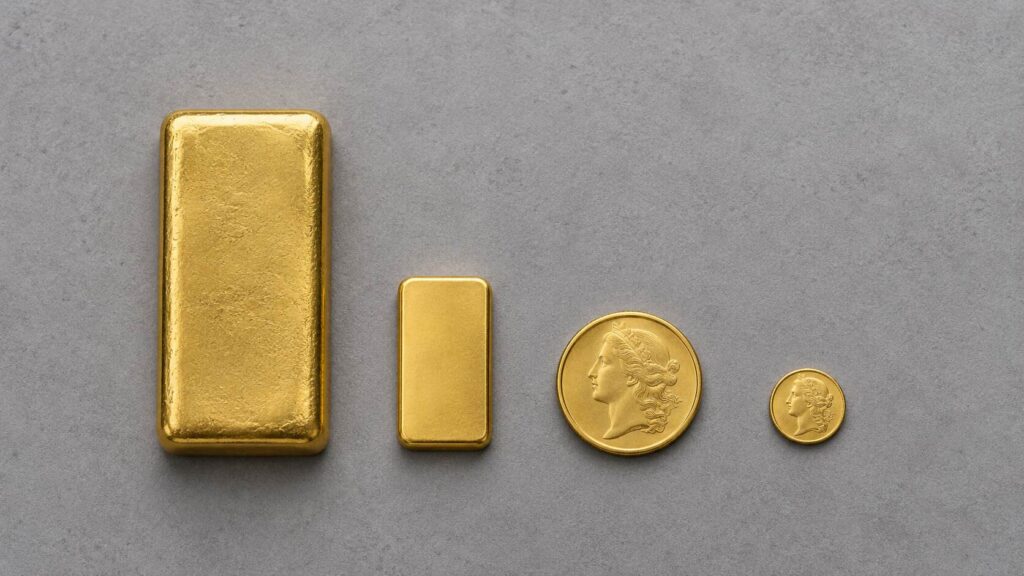
Larger gold formats cost less over spot, and the gap is wider than most buyers realize. We surveyed 110 live retail listings: 10 oz bars at a 1.96% median premium against 20.66% for 1/10 oz coins. One sovereign coin now undercuts a plain 1 oz bar.
Silver Round-Tripped a 6.8% Shock in Nine Days. Real Yields Did It, Not Inflation.
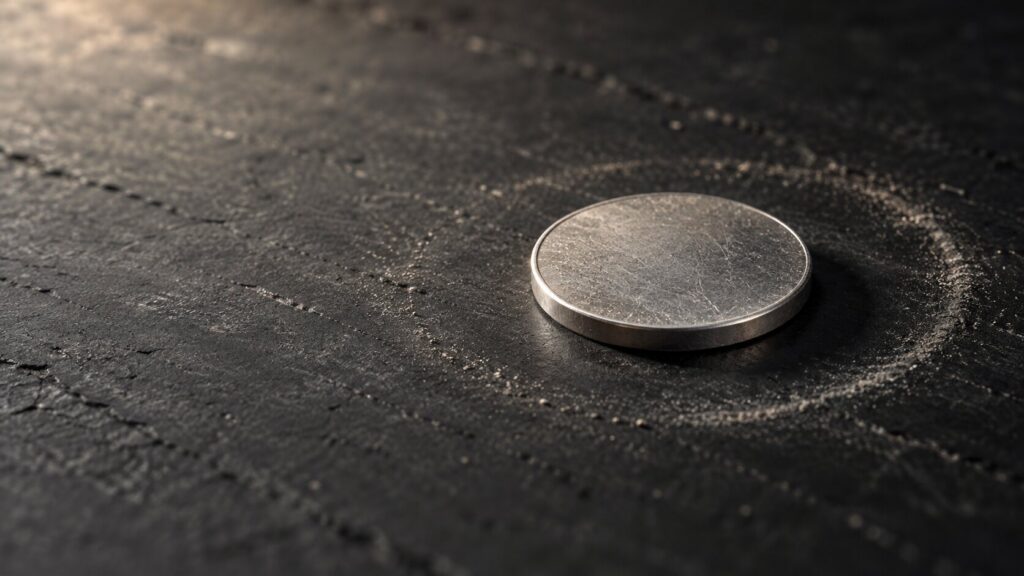
Silver closed at $67.28 on September 9, before a drone strike shut Saudi Arabia’s largest oil pipeline. Nine days and one Fed hike later, it is almost back. Most coverage credits fading inflation fear. The Federal Reserve’s own data disagrees: breakevens fell while real yields rose 22 basis points.
How Much Silver Should You Own? A Portfolio Allocation Guide by Age and Goal
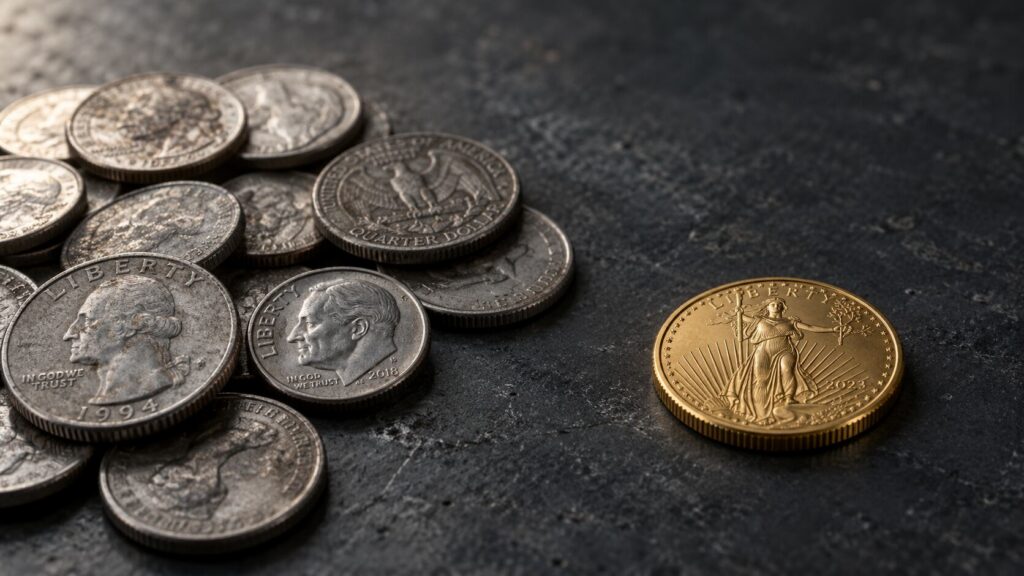
There is no Dalio-style institutional rule for silver the way there is for gold. This piece derives one using the live gold-silver ratio, silver’s dual monetary-and-industrial risk profile, and an age-and-goal framework that extends GoldSilver’s own gold-allocation guide.
The Fed Hiked. The Bank of England Held. They Landed on the Same Rate.
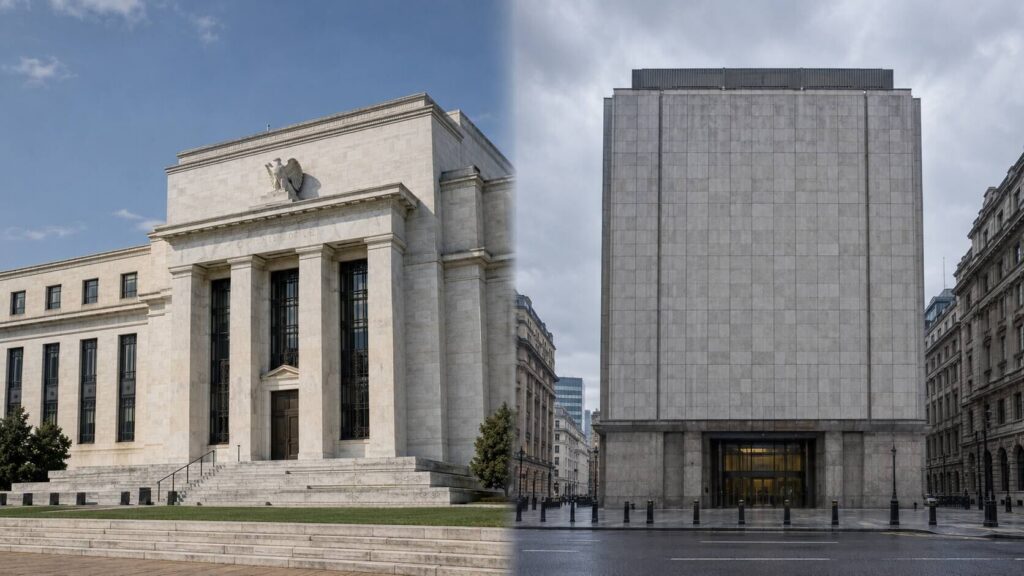
The Fed raised rates for the first time since 2023. The Bank of England held. By the end of the week, both central banks had landed on exactly the same number, for very different reasons, and gold and silver noticed.
Who Owns US Debt? Central Banks Own Less Than You Think

Foreign central banks’ share of foreign-held US Treasuries has fallen from two-thirds in 2014 to 41% today. But their dollar holdings barely dropped. The market around them tripled instead, and the gap was filled by leveraged private trades, not other governments. Here’s the mechanism, and where the real reserve money went.
$603 Million Left the World’s Biggest Gold ETF. It Didn’t Leave Gold.
Investors pulled $603 million out of the world’s biggest gold ETF this week. Almost none of it left gold. It rotated into three cheaper funds tracking the identical trade, exposing the fee math behind the move and the ownership question every ETF holder should be able to answer.


