Silver Rises Over 120% YTD


Published: 05-04-2019, 06:45 pm | Updated: 11-06-2026, 03:28 pm
Last verified November 2026.
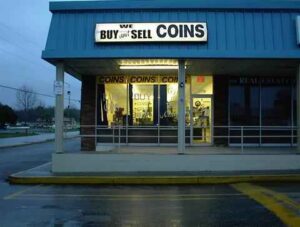
Quick answer: A coin or bullion dealer almost always beats a pawn shop. Online bullion dealers typically pay 90–97% of spot for standard coins and bars; local coin shops run a few points lower; pawn shops and “we buy gold” storefronts commonly pay far less, often 50–70% of melt value, because they’re priced for convenience, not for investors.
If you’re selling gold or silver bullion, your payout depends on three things: what you’re selling, who you sell it to, and how much you’re moving at once. This guide walks through all three so you don’t leave money on the table.
What Determines How Much Your Gold or Silver Is Worth?
Every buyback offer starts in the same place: the current spot price. From there, three factors move your actual payout up or down.
What form is it in?
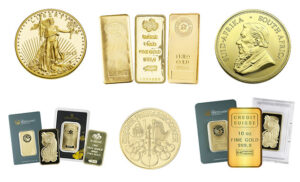
Government-minted bullion coins hold the highest resale value because they’re universally recognized and easy for a dealer to verify and resell. Bars from well-known refiners are close behind, since the mint’s stamp and serial number do the same verification work. Jewelry and scrap sit lower, because a refiner has to melt and re-refine them before they become sellable bullion again, and that labor shows up in the price you’re offered.
The Knowledge That Changes Everything
Two essential guides — yours free. Understand why gold matters and why fiat currencies always fail.
How pure is it?
For anything that isn’t .999 fine bullion, a dealer pays for metal content only, not the piece as a whole. If you’re selling a jewelry item with 10 troy ounces of gold at 91.6% purity (22-karat), the dealer calculates your payout on 9.16 troy ounces of pure gold, not 10. Know your purity stamp before you ask for a quote; it changes the math directly.
How much are you selling?
Multiply ounces by the current spot price to find your payout ceiling: that’s the most you could receive, before any dealer spread. Large lots sometimes earn a modest premium if a dealer is short on that specific product, so it’s worth asking.
Why Does a Pawn Shop Pay So Much Less?
Pawn shop staff are generalists, not precious-metals specialists. Many can’t tell a numismatic coin from common bullion, and their business model is built around fast, high-margin turnover rather than competitive bullion pricing. There’s usually room to negotiate, but you’ll almost always land well below what a dedicated bullion dealer offers for the same item.
If a pawn shop really is your only practical option (say, you need cash today and there’s nothing else nearby), a few steps protect you from the worst outcomes:
- Know the spot price before you walk in. This is your floor, not your expectation.
- Get two buyback quotes from online dealers first, even if you don’t plan to use them. That gives you a real number to negotiate against.
- Clean your pieces and bring any original documentation. A shop is more confident pricing something it can verify and resell quickly.
- Treat the first offer as an opening bid. It rarely is the shop’s best number.
Coins, Bars, Jewelry or Scrap: Does It Matter Where You Sell?
Yes, and the type of bullion you’re holding should shape where you take it.
Silver and gold coins are the most liquid form you can own. Because sovereign coins are legal tender, dealers can verify and resell them with minimal friction, and that liquidity is exactly why coins typically fetch the strongest resale value relative to bars or rounds.
Bars from recognized mints and refiners carry low resale risk because of their stamped serial numbers and assay marks, but they take slightly more verification work than a widely-circulated government coin.
Jewelry is the hardest category to resell at bullion-equivalent prices. Because most jewelry is alloyed with other metals for durability and design, a refiner has to melt and re-refine it before the metal content becomes sellable bullion again, and that extra step is reflected in a lower offer.
Scrap metal sits at the bottom of the resale ladder for the same reason, amplified: most bullion dealers won’t take it at all, since it requires refining before it’s usable. A local refinery, rather than a bullion dealer or even a pawn shop, is usually the right outlet for genuine scrap.
Does Transaction Size Change Where You Should Sell?
It should. A small sale (a few hundred dollars of jewelry, say) carries little personal risk walking into a local shop. A much larger holding is a different calculation entirely: carrying a significant amount of physical bullion into any storefront, pawn shop included, creates real exposure to theft or robbery that has nothing to do with the price you’re quoted.
For sellers moving a meaningful amount of metal, privacy and security considerations should weigh at least as heavily as price. Selling through an online dealer’s buyback program, or directly from insured vault storage, removes the physical-handoff risk entirely: you never have to carry metal anywhere, or reveal to anyone in person that you own it.
Selling Gold or Silver Online: What to Expect
Selling to an established online bullion dealer typically means: requesting a quote locked to the live spot price, shipping your metal fully insured, and receiving payment once the dealer verifies what arrived. The process usually takes a few business days rather than the instant cash a pawn shop offers, and that wait is the tradeoff for a meaningfully better payout.
One option worth knowing about: some dealers run a program (often marketed under names like “Instavault”) that lets metal purchased and held in vault storage be sold back instantly, without the shipping step at all, since the metal never has to physically move. If your holdings sit in a vault storage program, ask whether sell-from-storage is available, since it can remove both the shipping wait and the handling risk in one step.
A word of caution on peer-to-peer marketplaces like eBay: buyer protections vary, counterfeit and misdescribed bullion is a documented problem on open marketplaces, and the prices you’ll actually realize are typically well below what an established dealer’s buyback program offers. For investment-grade bullion, a dealer with a transparent, published buyback rate is the safer and usually more profitable route.
Frequently Asked Questions
Is it better to sell gold to a pawn shop or a coin dealer?
A coin or bullion dealer, in almost every case. Dealers specialize in precious metals and price against live spot, while pawn shops price for fast resale margin and commonly pay 50–70% of melt value versus a dealer’s 90%-plus.
What percentage of spot price will I get when I sell?
For standard investment-grade coins and bars sold to an online dealer, expect roughly 90–97% of spot. Local coin shops typically run a few points lower. Government-minted coins tend to land at the top of the range; jewelry and scrap sit meaningfully lower because of refining costs.
Can I negotiate the price at a pawn shop?
Usually, yes: pawn shop quotes are rarely a final offer. Knowing the current spot price and having a buyback quote from an online dealer in hand gives you real leverage in that negotiation.
How is the payout calculated for gold jewelry?
A dealer pays for fine-metal content, not the whole piece. Multiply the item’s weight by its purity (for example, 91.6% for 22-karat gold) to find the pure-metal ounces, then multiply by spot price.
Should I sell scrap metal to a pawn shop or a bullion dealer?
Neither, generally. Most bullion dealers won’t accept scrap at all, and a pawn shop’s scrap pricing is typically the weakest of any category. A local refinery is usually the better outlet for true scrap.
Is it safe to sell a large amount of gold or silver in person?
Carrying significant value into any physical storefront carries real security risk, independent of price. For larger holdings, an online dealer’s buyback program or a direct sell-from-vault-storage option avoids the in-person handoff entirely.
Gold and silver prices shown as of November 2026. Buyback rates are typical ranges, not quotes; current pricing always depends on your specific dealer, product and market conditions at the time of sale.
Stay On Top of Gold & Silver Prices
Get important market alerts sent straight to your inbox.