 Silver Rises Over 120% YTD




The Bank of Japan Just Hiked to a 31-Year High. Gold Barely Noticed.
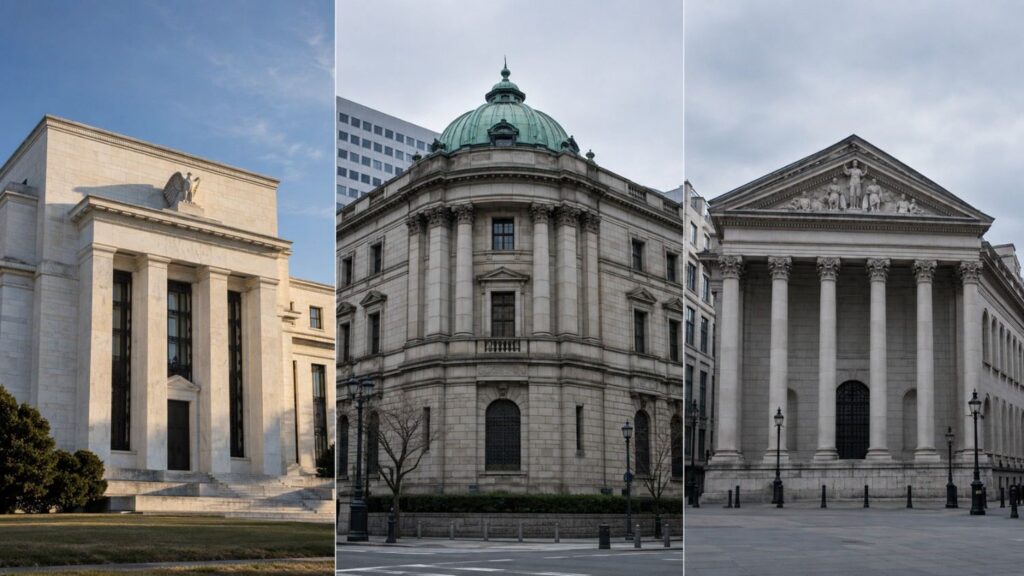
Three central banks moved three different directions this week, and gold barely blinked at the biggest one. Here’s the yen carry-trade mechanism behind Japan’s quietest 31-year-high rate hike, and why this time was different from 2024’s disorderly unwind.
Gold’s Tiny Output Is Worth Twice Aluminum’s. Here Are Four More Signals Like It.

Gold is choppy near $4,400 today, but four other signals say more: gold’s output value against aluminum, LBMA’s conference filling a month early, UBS’s structural buy case, and silver’s own outperformance.
Even Central Banks Don’t Trust Someone Else’s Vault Anymore
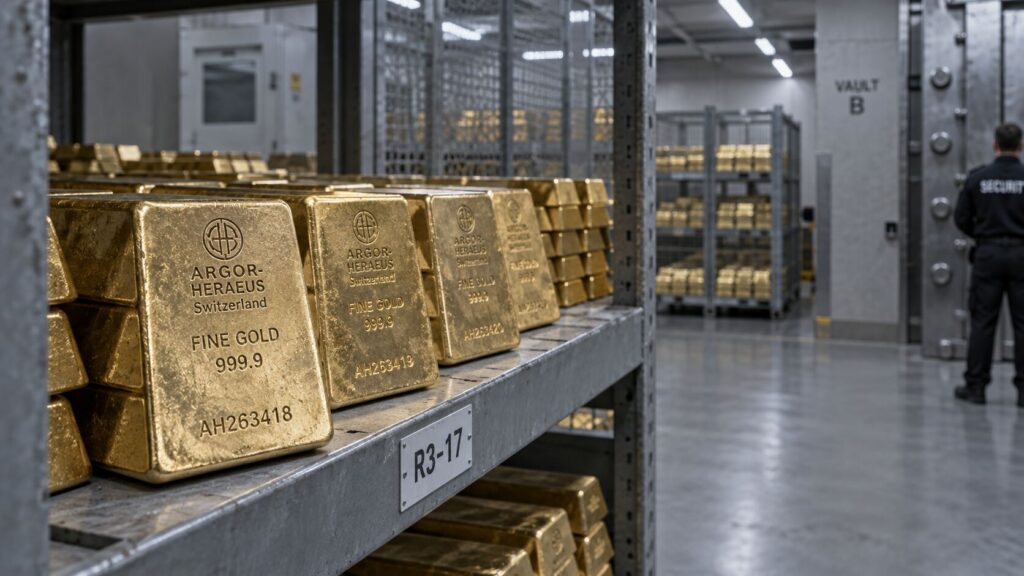
A Dutch central bank move of $10 billion in gold — and a quiet shift in COMEX’s own vault data — both point to the same lesson: access and control matter more than technical ownership, for sovereigns and individual holders alike.
Iran’s Gold Sector Just Got Named in U.S. Sanctions. Gold Is Selling Off Anyway.
Gold’s newest sanctions exposure and today’s G20 push on Iran are real developments. Neither one explains today’s selloff. The Fed does, and the two stories run on different clocks.
Gold Beat Aircraft and Oil to Top America’s Export List. Nobody Agrees Why.

Gold reached the top of the US export table in three separate months, out of more than 1,200 categories. That makes gold the largest US export by value. The trade-deficit offset climbed from under 4% to about 19%, and the cause is contested.
A Stablecoin Issuer Bought More Gold Last Year Than Any Central Bank
The Fed’s flagship conference is about payment rails this year, not the level of rates. ECB data explains why that is a gold story, and why the most striking buyer of 2025 was not a central bank at all.
Central Banks Bought 289 Tonnes of Gold Last Quarter. Prices Were Falling the Whole Time.
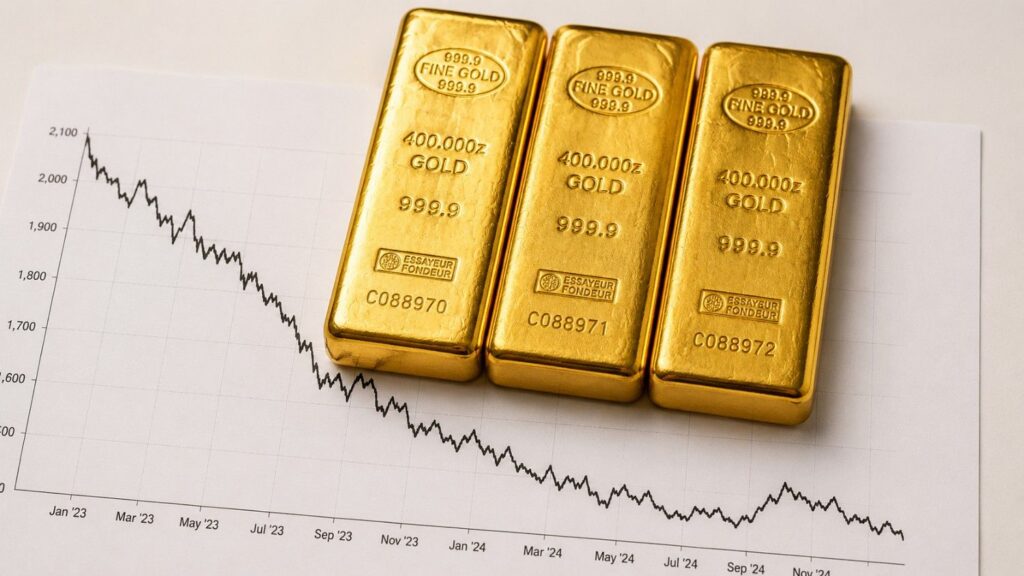
Central banks bought a record 289 tonnes of gold in Q2 2026 — while prices posted their steepest quarterly decline in a decade. The World Gold Council just published the data. Here’s what the buying pattern reveals about where the world’s largest reserve managers think the monetary system is heading.
Gold Is Down 26%. Silver Is Down 51%. What Does the Stacker Do Now?
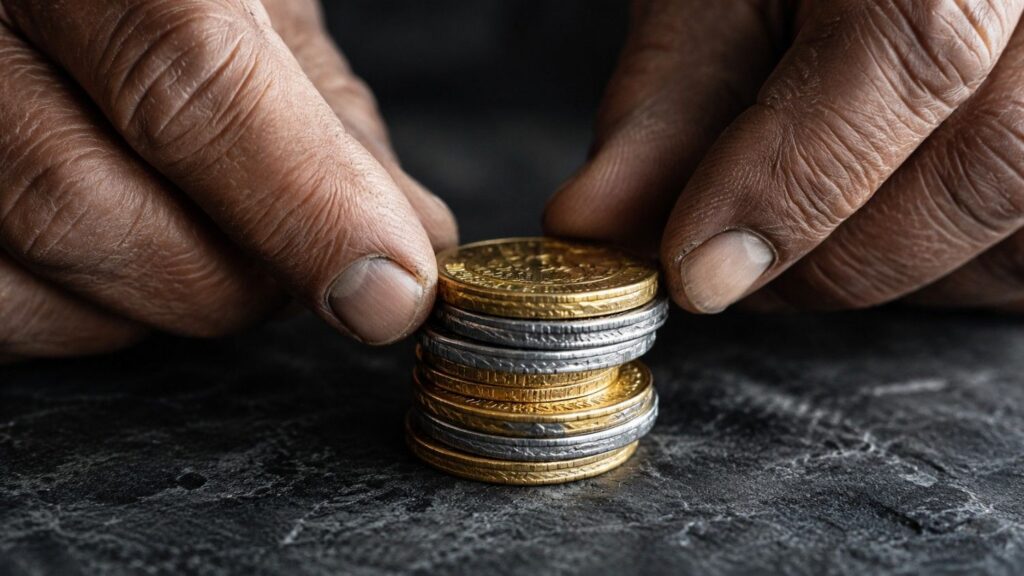
Gold and silver have pulled back sharply from their January 2026 peaks. The structural case — six consecutive silver deficits, 863 tonnes of central bank gold buying, and a gold-silver ratio above its long-run average — has not changed. This guide covers the floor thesis, how to read the GSR as a strategic compass, and how dollar-cost averaging turns volatility into an advantage.
How the Jobs Report Moves Gold and Silver: The Five-Step Chain Behind Every Move
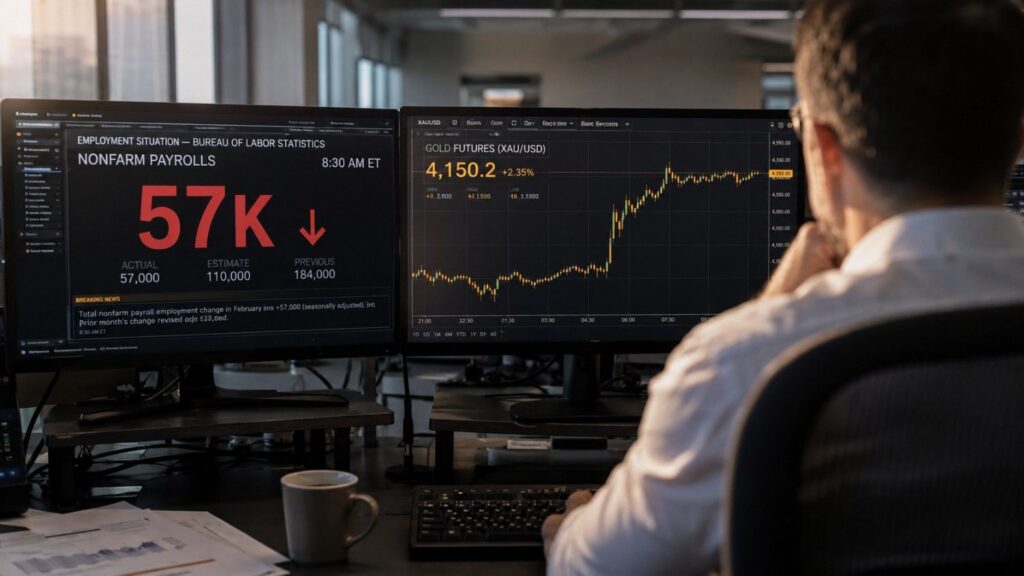
When the U.S. jobs report misses expectations, gold and silver prices typically rise. When payrolls beat, they fall. The relationship runs through a specific five-step chain — and once you understand it, the monthly reaction stops being a mystery.
May CPI Printed 4.2%. Core Inflation Beat. So Why Did the Gold Price Drop?

May CPI came in at 4.2% — the fastest pace since early 2023 — and the gold price fell nearly $100 to 11-week lows. But the headline is almost entirely an energy story: gasoline is up 40.5% year-over-year while core CPI rose just 0.2% for the month, below forecast and down sharply from April. The market sold gold on a number it was already expecting. The data behind that number tells a different story.


