Silver Rises Over 120% YTD


How Gold Price Is Set: The East-West Tide Explained

For 90 years, gold has moved in a recurring tide between Western financial markets and Eastern physical holders. Understanding who sets the price — and why that mechanism is shifting — is the most useful mental model a gold investor can carry.
Gold Is Down 9%. The CPI Print That Could Either Extend the Drop — or End It.
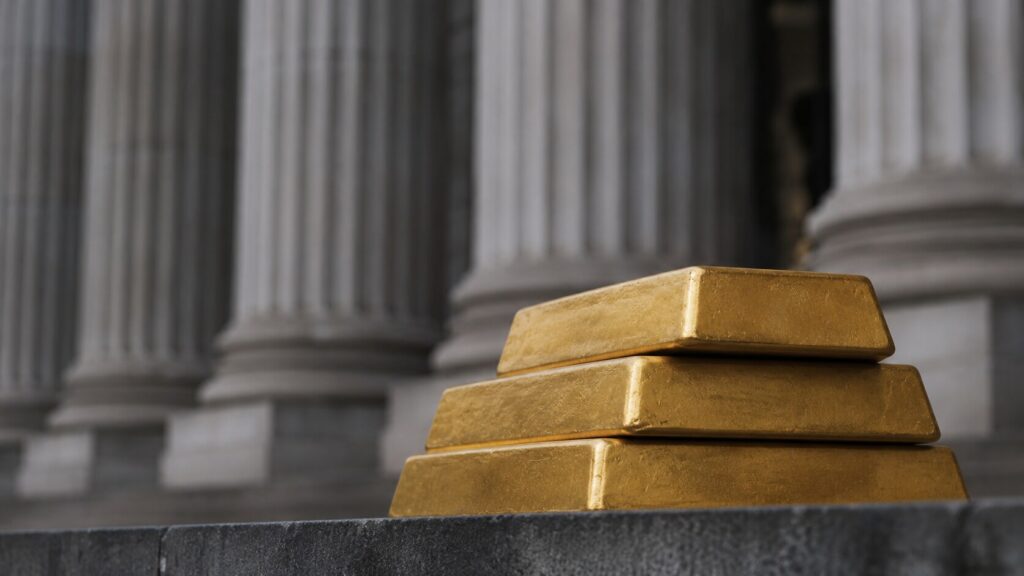
Gold is down 9% from its April high near $4,800. Two forces drove the pullback: the Iran–Israel ceasefire unwound the geopolitical risk premium, and a blowout jobs report pushed Fed rate-hike odds to 68–70% by December. The May CPI print is the next catalyst. Here’s the mechanism behind the move — and what each scenario means for physical holders.
Central Banks Picked Gold Over Treasuries. Should You?
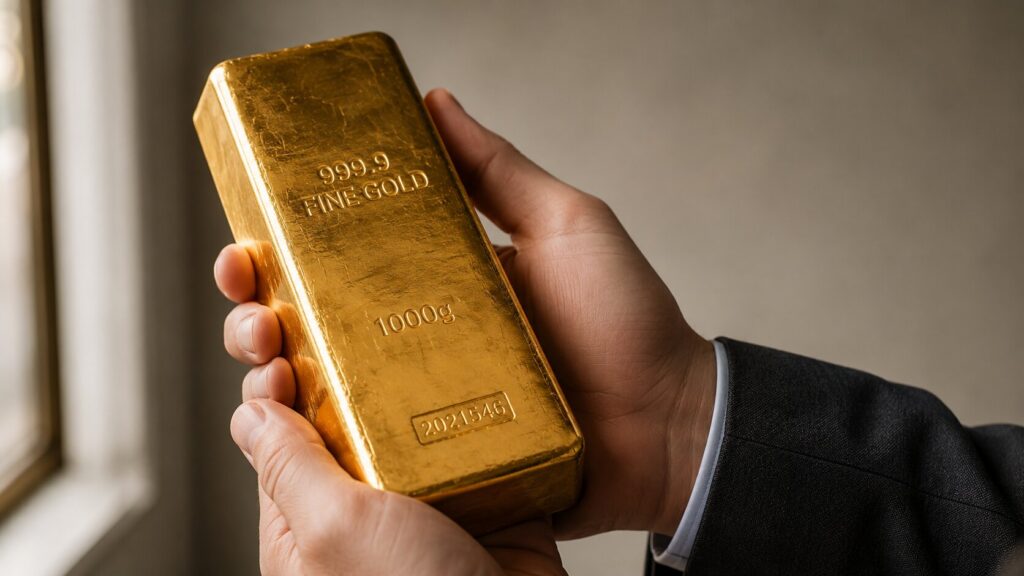
The ECB just confirmed gold leads global reserves for the first time since 1996 — ahead of US Treasuries. Central banks that could have rebalanced didn’t. Here’s the mechanism behind that choice, and what it means for individual savers.
What Happens to Gold and Silver When the Dollar Loses Its Reserve Status?
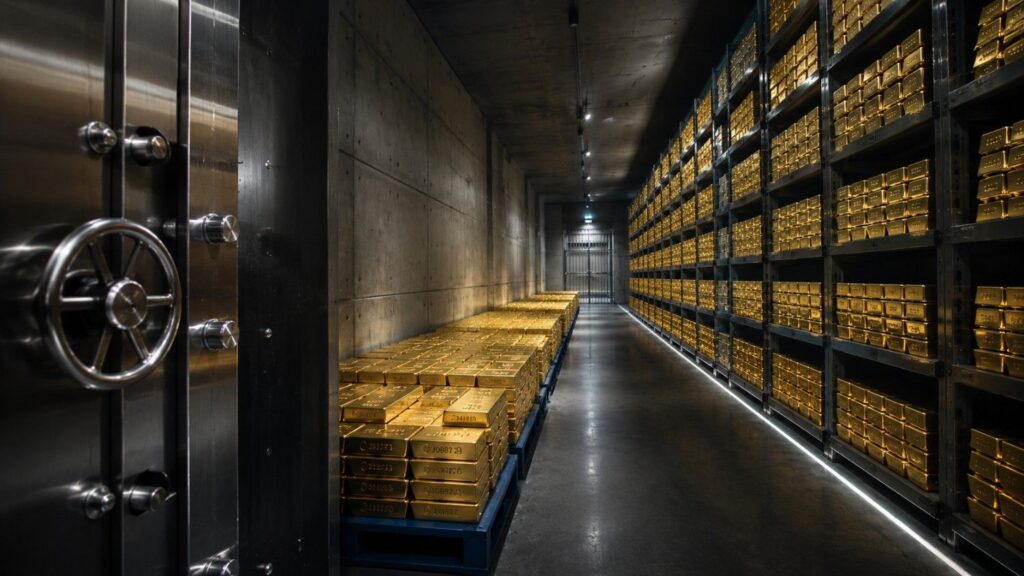
The dollar’s reserve currency status has never been permanent — and history shows that when monetary systems shift, gold and silver are where capital moves. Here’s what a reserve currency transition could mean for precious metals investors.
You Don’t Need a Printing Press to Crash a Currency
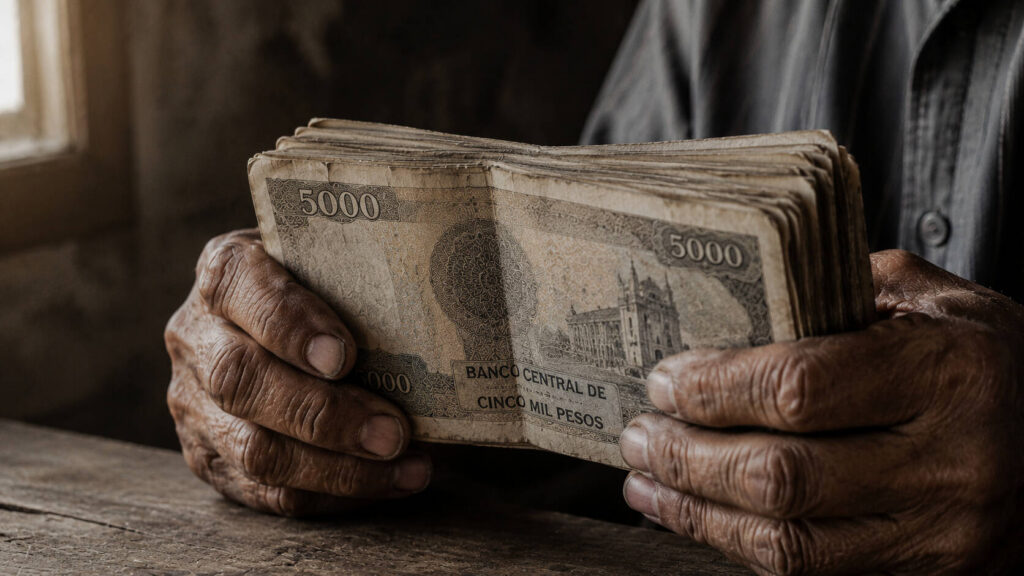
Hyperinflation doesn’t always start at the printing press. When people stop trusting a currency, its purchasing power can collapse overnight. History — from Weimar to Zimbabwe — shows why gold endures when faith in paper money fails.
Why Central Banks Sell Gold — And What It Means for Prices
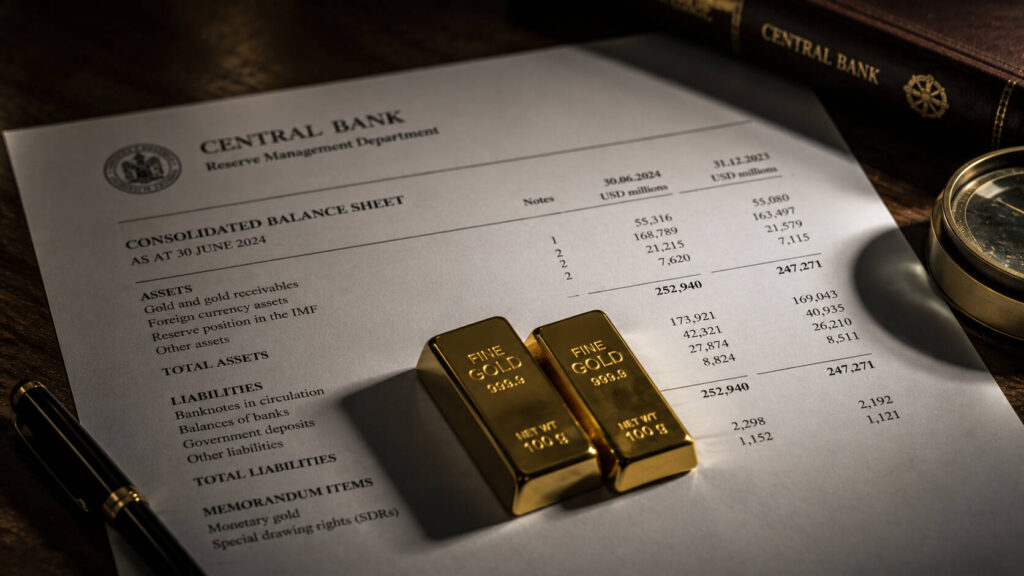
Central banks bought 863 tonnes of gold in 2025. Yet Russia, Turkey, and others are selling. Here’s what drives official-sector gold sales — and what the history of central bank selling tells long-term investors about price risk.
Hormuz Blockade Sent Gold Down 2%. Here’s Why That’s Bullish
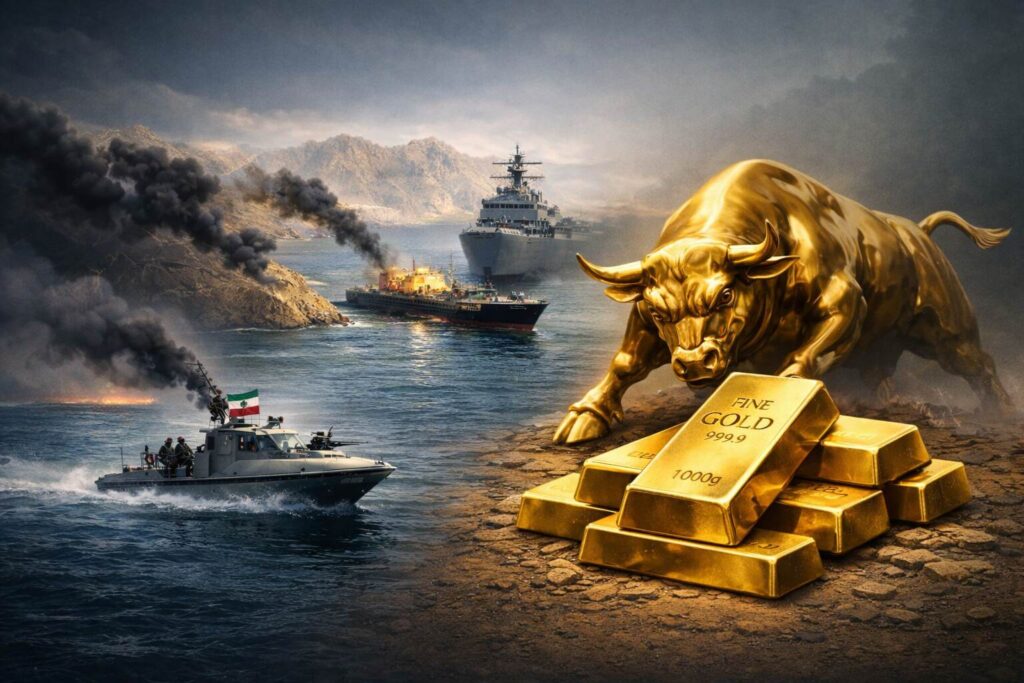
The Hormuz blockade sent gold down 2% as oil surged past $100. But margin liquidation — not fundamentals — drove the drop. With CPI at 3.3%, central banks buying, and the petrodollar requiring a navy to defend, the structural case for gold just got stronger.
What Happens to a Country When Its Currency Collapses?

When governments debase their currency, the economic fallout is only half the story. History shows a darker pattern: monetary collapse wipes out the middle class, fear fills the vacuum, and dictators rise. Mike Maloney traces this thread from Weimar Germany to today.
Is Gold Still a Safe Haven During War?

Gold and silver are having their worst month in years — yet war, inflation, and a closed Strait of Hormuz haven’t driven them higher. We break down the safe haven paradox, what central banks are doing with their gold, and where prices go from here.
De-Dollarization and Gold: Why the Hormuz Situation Changes the Calculus
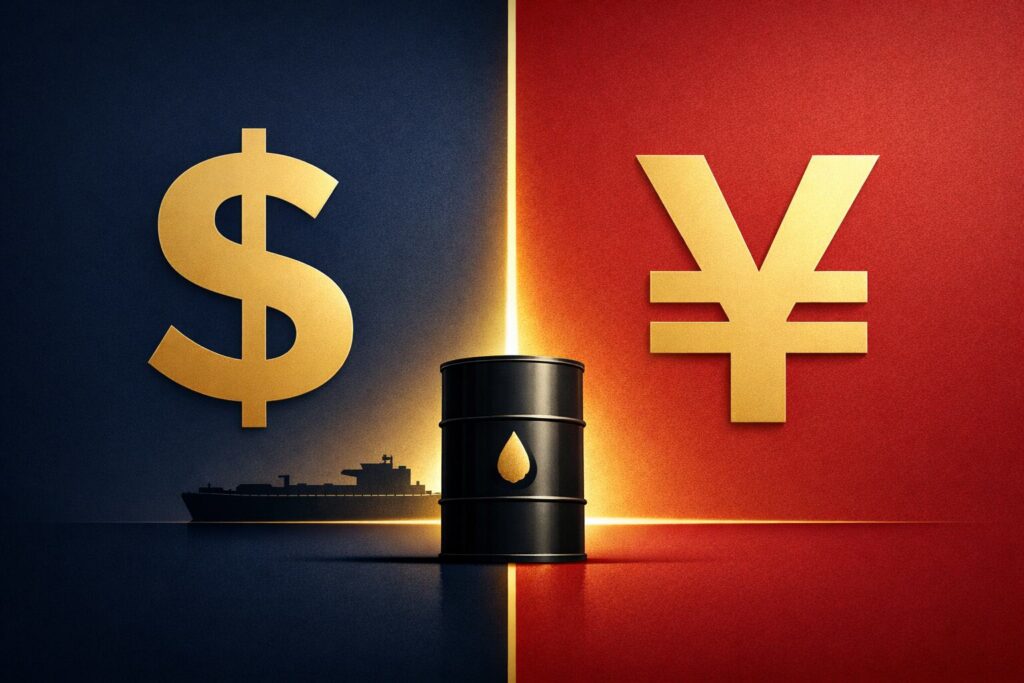
De-dollarization is no longer theoretical. As oil trade begins shifting away from the dollar, the global monetary system may be entering a new phase. In this environment, gold may not rise gradually—it could be repriced rapidly, catching most investors off guard.