 Silver Rises Over 120% YTD




What Is the Debt-to-GDP Ratio, and What the US Number Tells You About Gold

The debt-to-GDP ratio measures a government’s debt against the size of its economy. See what America’s 122.6% reading means, how it compares to Japan and Italy, and why it keeps pointing back to gold.
Your Bank Balance Is Lying to You. The Number Is Real. The Wealth Isn’t.
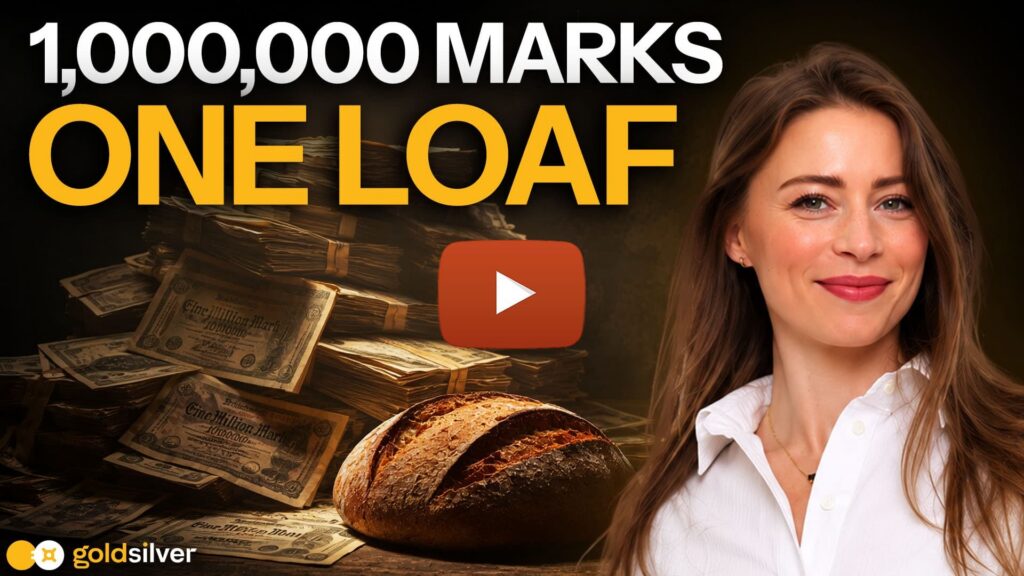
Your bank balance shows a number. That number is not your wealth — it’s a measuring stick. And measuring sticks can shrink. Megan King Diaz explains why, and what actually holds its value.
The Debasement Trade Explained: Mechanism, History, and What It Means for Gold

Five years ago, “debasement trade” was Austrian economics jargon. Today Goldman Sachs, Citi, and J.P. Morgan use it in their research notes. Here’s what it means, why it works, and why gold and silver are the primary instruments.
How Gold Once Balanced the World’s Economies — And Why It Matters Now
For most of recorded history, trade between nations was governed not by policy meetings or central bank coordination — but by gold. Here’s how the gold standard’s built-in correction mechanism worked, and what its absence means for the $102 trillion in global public debt recorded as of 2024.
Insurance vs. Upside: Balancing Your Portfolio with Gold and Silver
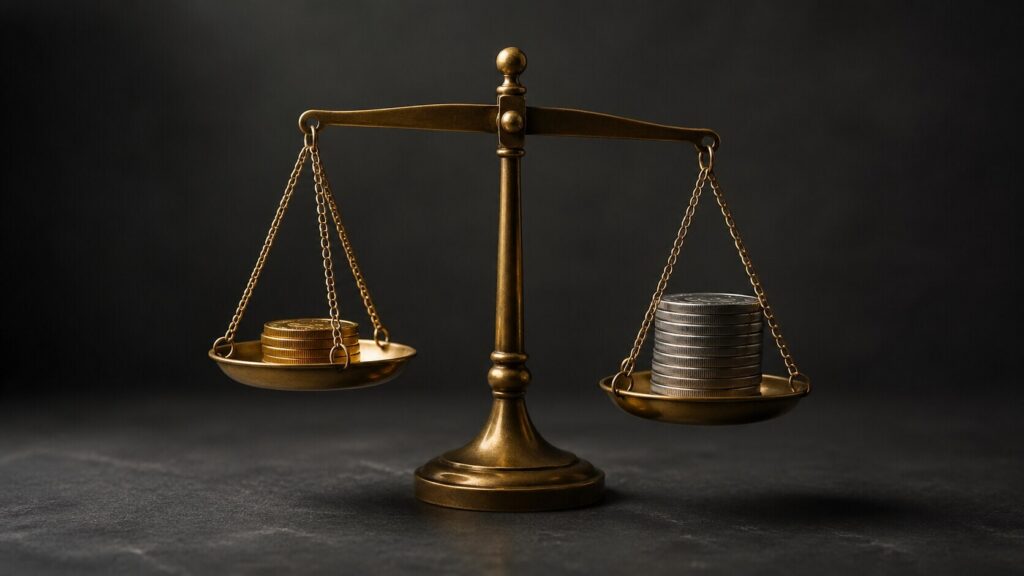
Most investors debate gold vs. silver. The smarter question is how much of each — and why. This guide breaks down the roles, the ratios, and the allocation framework that makes both metals work together.
Why Are BRICS Countries Buying So Much Gold?

BRICS nations are buying gold at record pace — and it’s not just about price. From sanctions-proofing to de-dollarization, discover the four forces driving the biggest shift in global reserve strategy since Bretton Woods, and what it signals for investors.
The 1970s Gold & Silver Bull Run: Causes, Returns, and Lessons for Investors
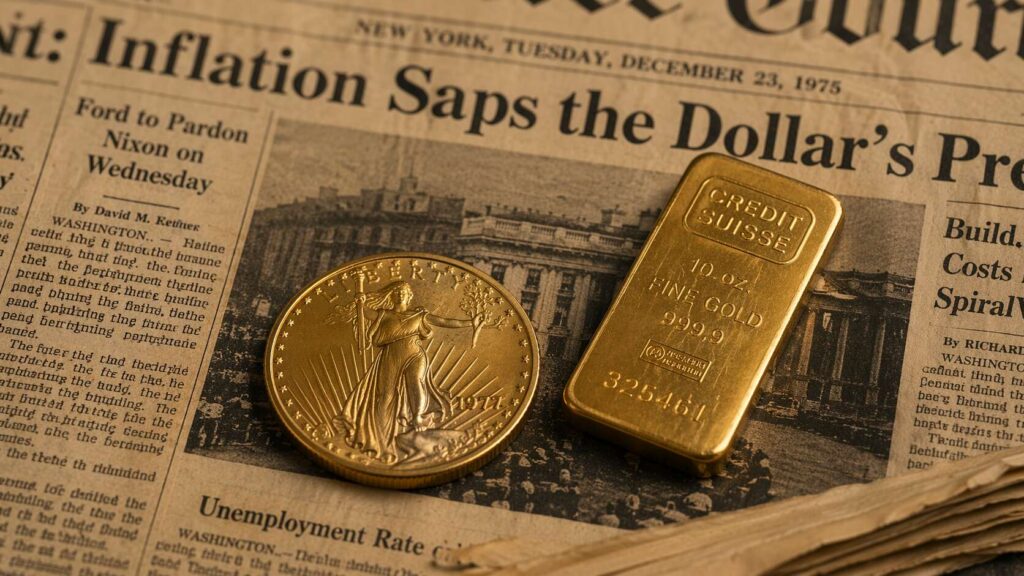
The 1970s gold and silver bull run remains one of the most dramatic wealth events of the 20th century. Gold rose 2,300%. Silver gained 400% in a single year. Understanding what drove that decade-long move — and what finally ended it — gives modern investors a precise framework for reading today’s precious metals market.
The Ounce Mindset: Why Silver’s Pullback is a Gift
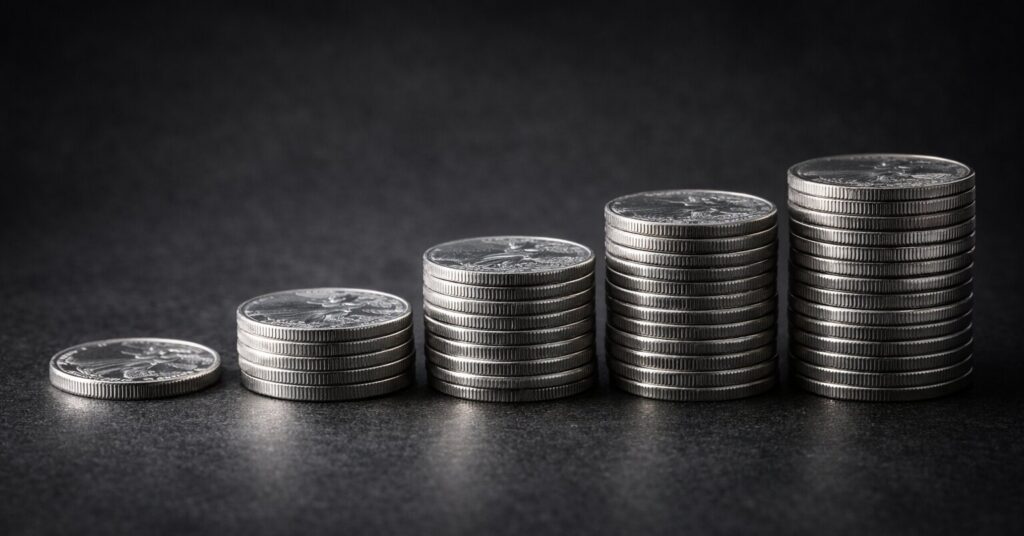
Silver hit an all-time high of ~$121 in January 2026 and has since pulled back to the mid-$70s. Mike Maloney’s framework for why that’s an opportunity, not a loss — and how to measure wealth in ounces, not dollars.
What Is Velocity of Currency — and Why It Matters
The Fed has created trillions in new currency. So why doesn’t inflation always follow immediately? The answer is velocity — and understanding it changes everything about how you read today’s economic headlines.
87% Dollar Devaluation Since 1971: Why Central Banks Keep Buying Gold
Since the Nixon Shock in 1971, the U.S. dollar has lost roughly 87% of its purchasing power, according to Bureau of Labor Statistics CPI data. Meanwhile, central banks have been net buyers of gold for 16 consecutive years. Here’s what the data shows — and what individual investors can learn from it.


