 Silver Rises Over 120% YTD




Russia Is Selling Its Gold, And That’s Good News For Owners
Reserves at the Bank of Russia just hit their lowest point since 2019 — a sale now ten months running. But the order in which a government liquidates its reserves reveals more about gold than the sale itself, and it’s good news for long-term owners.
China Just Made Its Biggest Gold Buy in 3 Years, So Why Did the Price Fall?
While gold and silver dip into the Fed’s September minutes, four other signals tell a different story: China’s biggest reserve buy in three years, a Singapore-Hong Kong race to build gold infrastructure, record CME trading volume, and Nassim Taleb’s case that gold already is the reserve currency.
Five Moves Are Quietly Rebuilding Gold’s Entire Market Structure

ICE launched new gold futures in London, Hong Kong built a yuan-backed gold bridge to China, and Wall Street’s own forecasters can’t agree on gold’s next move. Five institutional shifts reveal what’s really reshaping precious metals markets beneath today’s headline price.
Gold’s Share of Central Bank Reserves Nearly Doubled. A Top Banker Just Explained Why.

Three years ago, gold made up about one dollar in seven of the world’s central bank reserves. Today it’s closer to one in four. Bundesbank President Joachim Nagel just told a room of bullion bankers exactly why that shift still has room to run.
Why Are Central Banks Buying So Much Gold in 2026?
Central bank reserve managers are running a decades-old diversification playbook at sovereign scale, and the 2026 data shows it accelerating even through a price correction. Here is the mechanism behind the headlines, and what it means for an individual saver’s own allocation.
When Should a Central Bank Sell Its Gold? One Just Did. Most Won’t.
Turkey sold gold under acute currency pressure this year, and it looks like evidence the central-bank buying spree is ending. The actual survey data, from OMFIF, the European Central Bank and the World Gold Council, says otherwise, and shows why.
Gold’s Price Barely Moved. Five Institutions Repositioned Anyway.
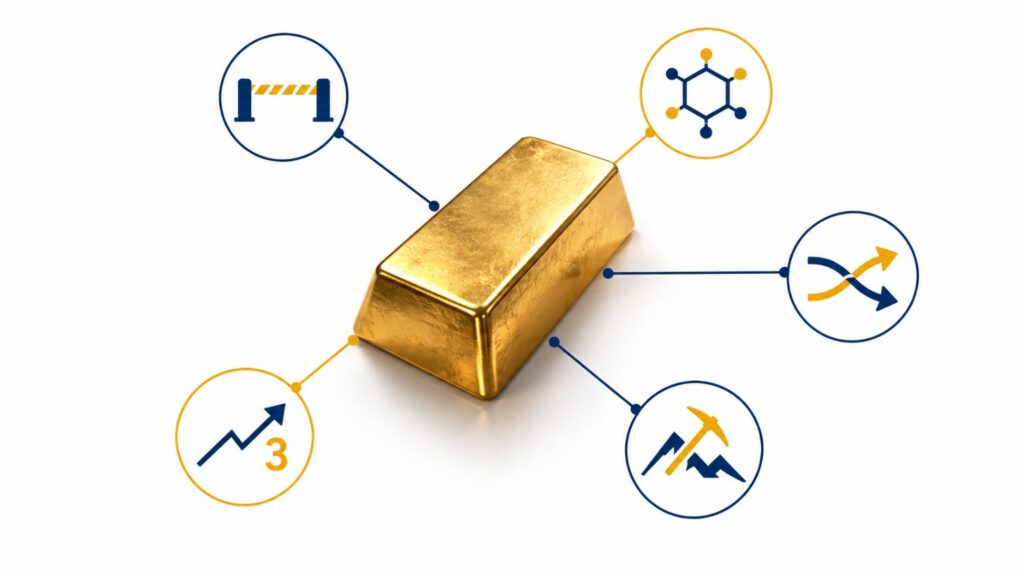
Russia tightened its own gold export rules, Britain’s regulator opened the door to tokenized bullion, Rio Tinto built a bigger trading desk, China’s top gold miner went shopping for mines, and Wall Street quietly repositioned, all in one week.
China Imported 1,000+ Tonnes of Gold in Eight Months. Its Central Bank Bought Only 80.
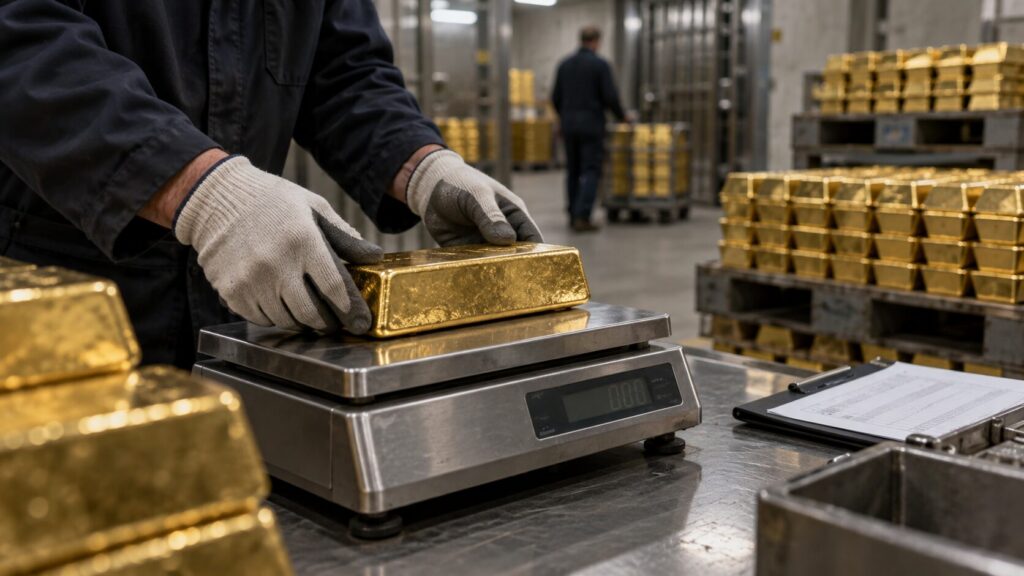
China’s central bank added just 80 tonnes of gold in eight months. So who imported the other 1,000-plus tonnes? A wave of household and institutional buying betting that gold is worth owning now, not later.
Rates Just Went Up Twice. Five Reasons Gold Didn’t Care.
Two central banks hiked rates this week, and gold barely blinked. Five fresh signals — from Goldman’s models to a $4 billion sovereign gold shipment — show why institutional and sovereign money isn’t buying the bearish case.
Who Owns US Debt? Central Banks Own Less Than You Think

Foreign central banks’ share of foreign-held US Treasuries has fallen from two-thirds in 2014 to 41% today. But their dollar holdings barely dropped. The market around them tripled instead, and the gap was filled by leveraged private trades, not other governments. Here’s the mechanism, and where the real reserve money went.


