 Silver Rises Over 120% YTD




Even Central Banks Don’t Trust Someone Else’s Vault Anymore
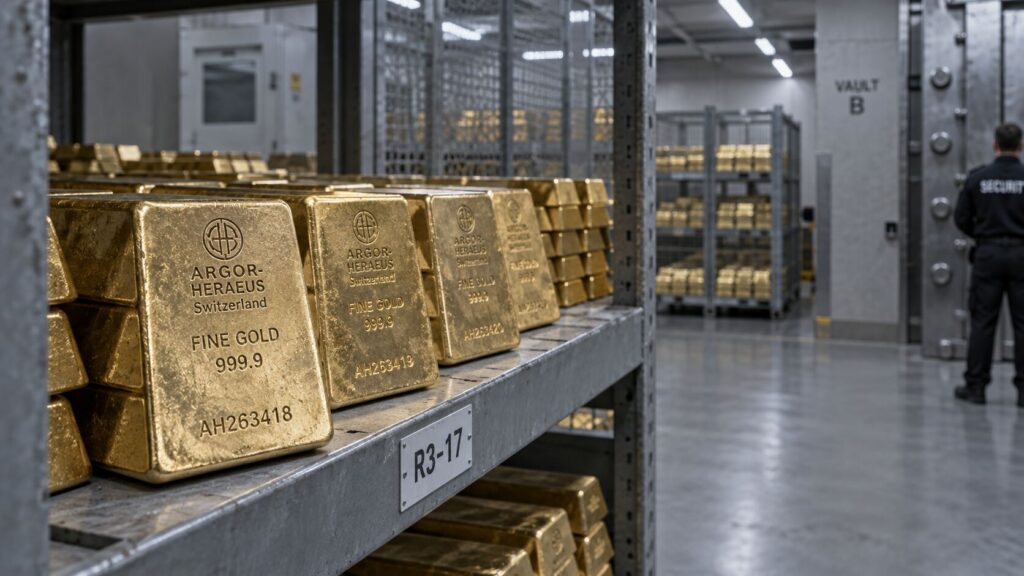
A Dutch central bank move of $10 billion in gold — and a quiet shift in COMEX’s own vault data — both point to the same lesson: access and control matter more than technical ownership, for sovereigns and individual holders alike.
China Just Broke Its Own Gold-Buying Record. Then Broke It Again.

China’s central bank hasn’t missed a monthly gold purchase in 22 months, and August’s addition was its biggest yet. Here’s what the streak, and where the metal went next, signals about the world’s reserve system and what individual holders should take from it.
Iran’s Gold Sector Just Got Named in U.S. Sanctions. Gold Is Selling Off Anyway.
Gold’s newest sanctions exposure and today’s G20 push on Iran are real developments. Neither one explains today’s selloff. The Fed does, and the two stories run on different clocks.
Gold Beat Aircraft and Oil to Top America’s Export List. Nobody Agrees Why.

Gold reached the top of the US export table in three separate months, out of more than 1,200 categories. That makes gold the largest US export by value. The trade-deficit offset climbed from under 4% to about 19%, and the cause is contested.
One Freeze Taught Every Government a Lesson. China Is Still Acting on It.

Rick Rule argues Beijing didn’t run a spreadsheet and conclude gold would outperform. It watched what happened to someone else’s reserves. The freeze of roughly $300 billion in Russian assets repriced a risk every reserve manager had treated as zero, and China has cut its Treasury holdings 52% since 2013.
China Bought the Most Gold Since 2023 in July. Here’s Why.
China’s central bank just recorded its largest single-month gold purchase since October 2023. The number is notable. The structural reason behind it — a 19-percentage-point reserve allocation gap that no short-term price move will close — is what every gold owner needs to understand.
China Has Been Buying Gold for 20 Straight Months. Now It’s Moving It.

China’s central bank is quietly moving gold from London to Hong Kong, backing a new clearing system designed to price gold in Asia on different terms.
What Is a Monetary Reset — and Is One Already Happening?

Everyone pictures the same scene: one Monday morning, the dollar cracks and cash is worthless by lunchtime. That version makes for a great movie. The real monetary reset looks nothing like it — and it may already be underway. Here is what four structural shifts are quietly telling us.
South Korea’s Central Bank Hasn’t Bought Gold in 13 Years. That Just Changed.
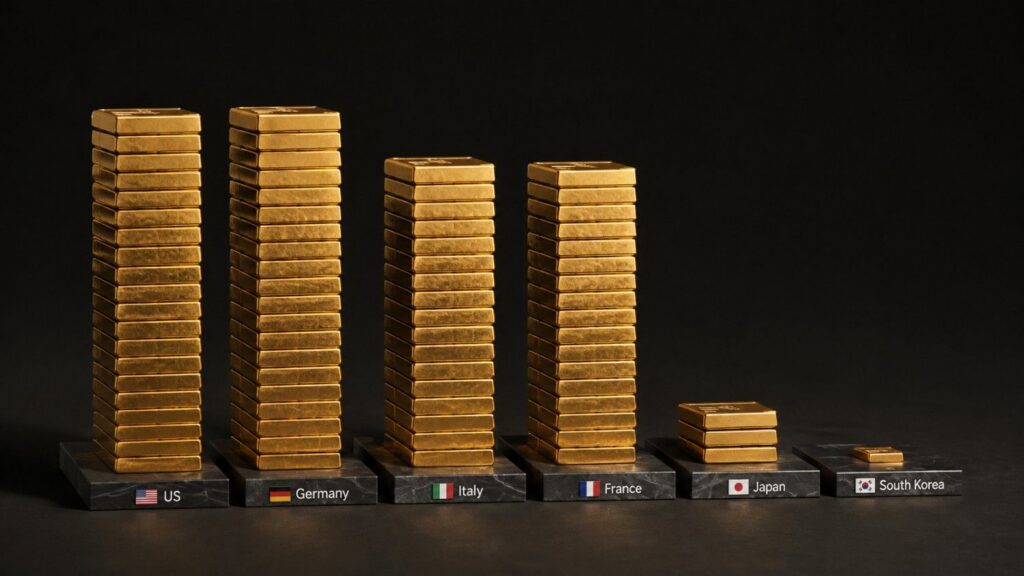
South Korea’s central bank just ended a 13-year gold freeze. The Bank of Korea holds just 1.1% of its $427 billion in reserves in gold — against 69% for the US and Germany. Here’s what its return reveals about where global central bank buying is heading.
Gold Isn’t Down 27%. It’s Down 5%. Here’s Why That Distinction Changes Everything.

Gold is down 5% from year-end 2025 — not 27%. Chief Economist Trey Reik explains why most investors are measuring the correction wrong, and why the gold bull market is still intact.


