 Silver Rises Over 120% YTD




Central Banks Bought 289 Tonnes of Gold Last Quarter. Prices Were Falling the Whole Time.
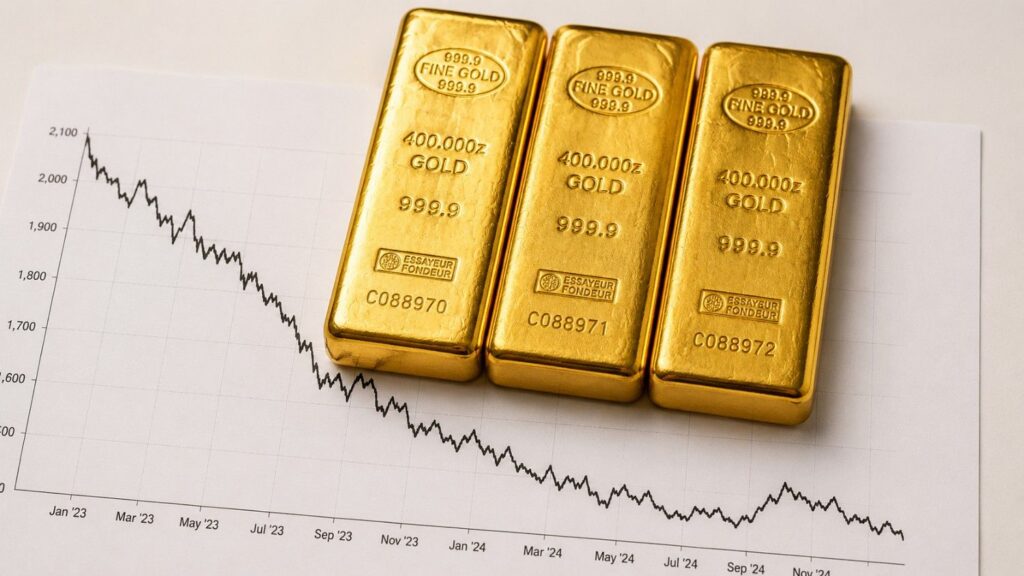
Central banks bought a record 289 tonnes of gold in Q2 2026 — while prices posted their steepest quarterly decline in a decade. The World Gold Council just published the data. Here’s what the buying pattern reveals about where the world’s largest reserve managers think the monetary system is heading.
The Petrodollar System Explained: What It Is, How It Worked, and What’s Replacing It
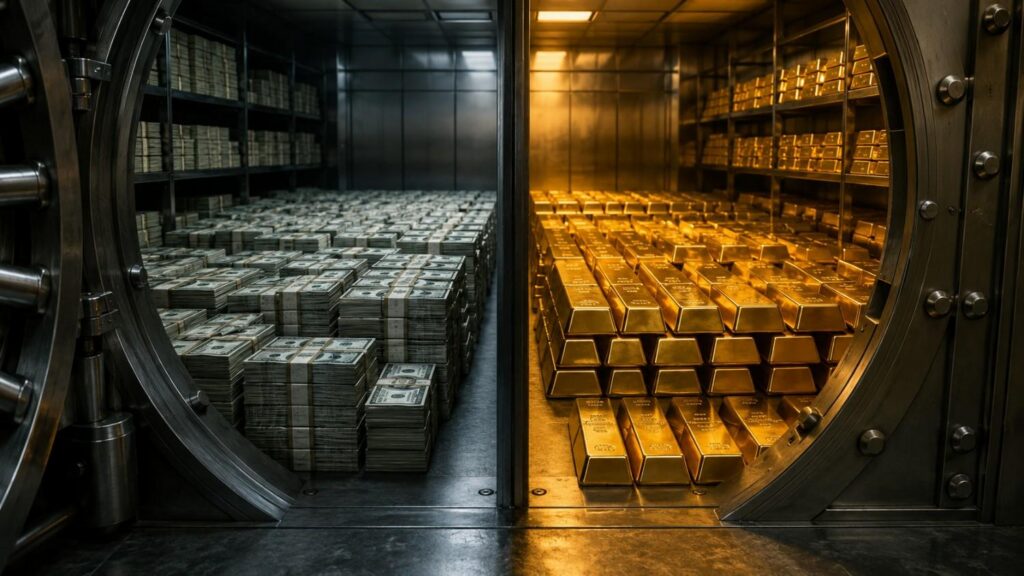
The petrodollar system gave the US dollar its dominance for 50 years — every country needed dollars to buy oil, and oil exporters recycled those dollars back into US Treasuries. That arrangement is now shifting. Here is how the system worked, why it is under stress, and why central banks are choosing gold as the alternative reserve asset.
Gold Is Down 26%. Silver Is Down 51%. What Does the Stacker Do Now?
Gold and silver have pulled back sharply from their January 2026 peaks. The structural case — six consecutive silver deficits, 863 tonnes of central bank gold buying, and a gold-silver ratio above its long-run average — has not changed. This guide covers the floor thesis, how to read the GSR as a strategic compass, and how dollar-cost averaging turns volatility into an advantage.
Gold & Silver Market Correction: Is the 2026 Bull Market Over?

Gold fell nearly 28% from its January 2026 all-time high. Silver dropped over 52%. Here is what caused the correction, why the structural bull case remains intact, and what central banks, the WGC, and institutional forecasters say about where gold and silver go from here.
Why HSBC Still Believes Gold Hits $4,750 by Year-End (And What the Mainstream Is Missing)
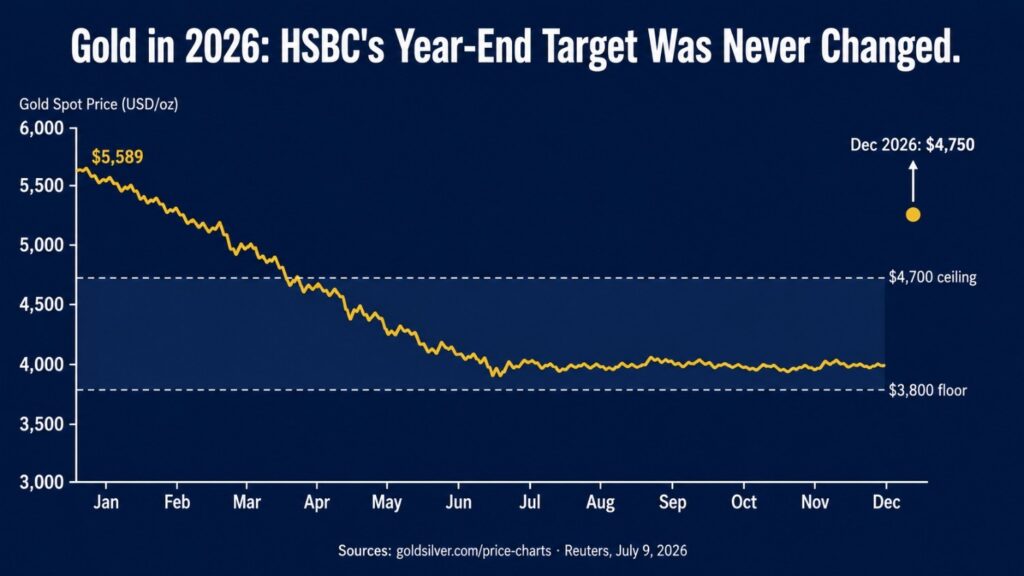
HSBC cut its 2026 average gold forecast by $304 on July 9. It left its year-end target at $4,750 unchanged. That gap between the two numbers is what the mainstream missed — and it tells you everything about where gold goes from here.
Hong Kong Just Ran Its First Gold Settlement. The Banks Who Did It Also Run London’s.

Hong Kong’s Precious Metals Central Clearing Company ran its first institutional gold settlements on July 7, 2026. Four of the banks behind it — HSBC, JPMorgan, UBS, and Citi — also run London’s gold clearing system. Here is what that tells you about where gold pricing power is heading.
Gold Price Outlook July 2026: The Price Fell. Case Intact.
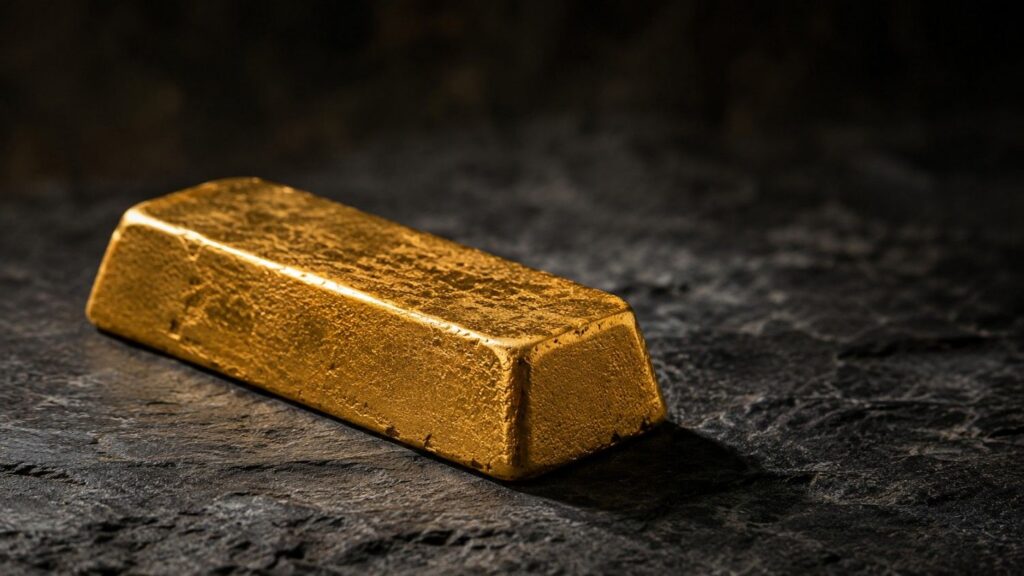
Gold trades 28% below its January record as Fed rate-hike expectations weigh on real yields. The structural case — central bank buying, fiscal expansion, reserve diversification — has not reversed. Here is what the macro picture means for gold holders in July 2026.
The $300 Billion Lesson: What Frozen Reserves Taught Central Banks About Gold
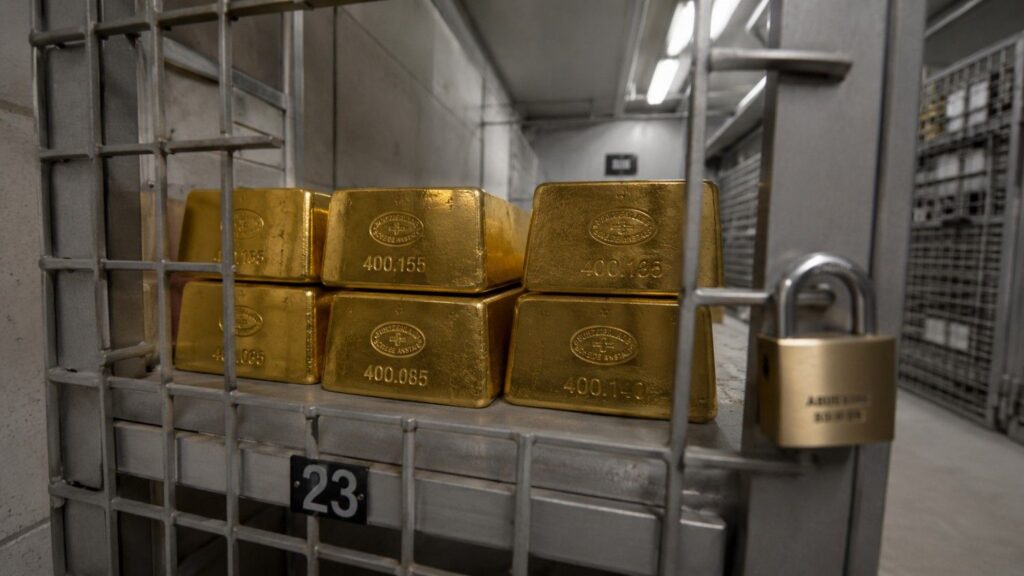
Central banks worldwide are pulling gold out of foreign custody and locking it in domestic vaults. Here is the mechanism behind the shift — and why the same logic applies to every individual investor who holds physical metal.
China Just Bought Its Most Gold Since 2023. It Did It During the Quarter Gold Fell 16%.
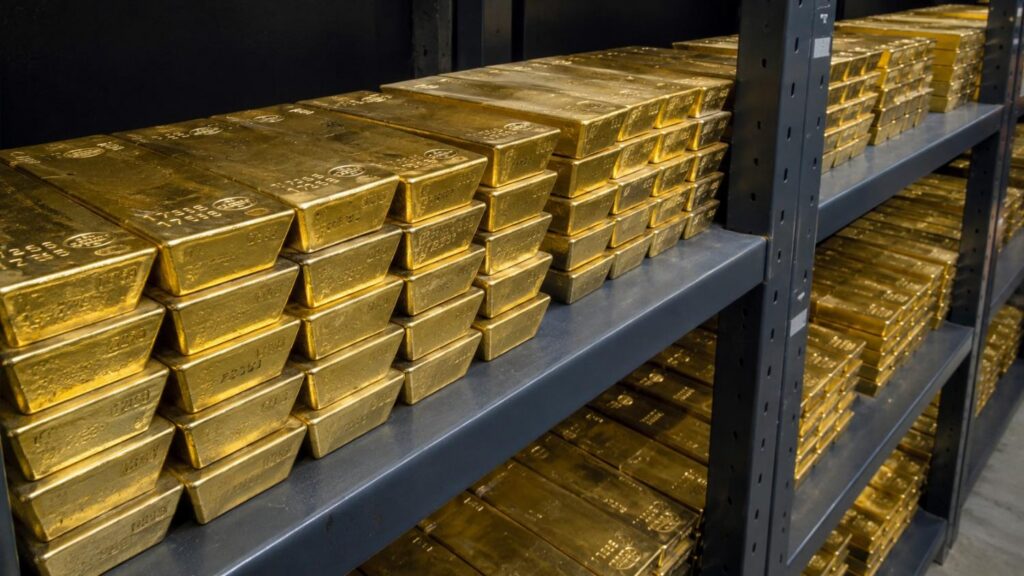
The People’s Bank of China added 14.93 tonnes of gold in June 2026, its largest single-month purchase since 2023 and its 20th consecutive month of buying. It happened during gold’s worst quarterly decline in thirteen years. Here is why the world’s most sophisticated reserve managers keep buying regardless of what the price does.
Gold Digest: Five Institutions Just Said the Same Thing About the Selloff
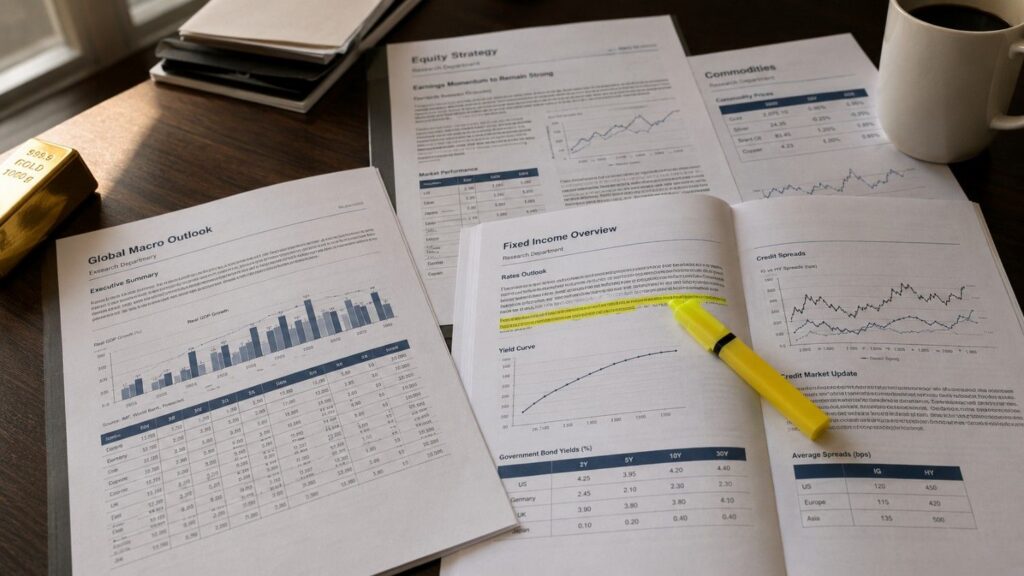
Five major institutions — State Street, Goldman Sachs, the World Gold Council, UBS, and MKS PAMP — all published fresh gold analysis this week. Their price targets differ. Their conclusion doesn’t: the Q2 selloff changed the entry price, not the structural case.


