 Silver Rises Over 120% YTD




Gold Is Down 10% From Its War-Peak — and Still Up 46% in a Year

Gold is down 10% from its war-peak — but up 46% in a year. The March PPI just hit 4.0%, the hottest since the conflict began. The headlines are telling the wrong story.
Gold Outranks the Dollar at Central Banks — What It Means for Your Savings
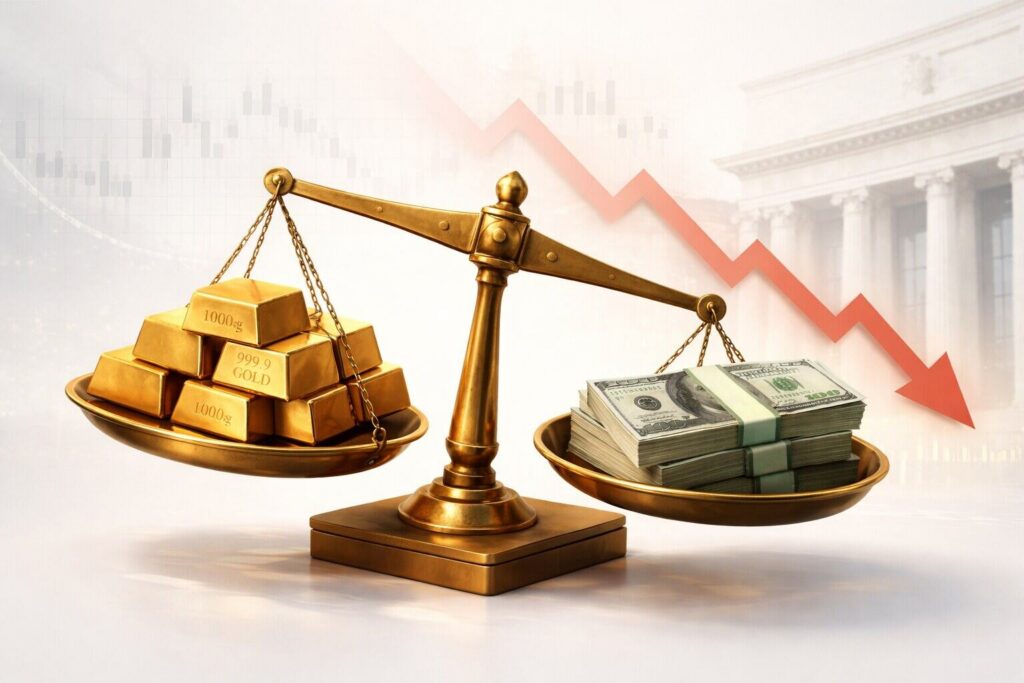
For the first time since the collapse of Bretton Woods, central banks now hold more gold than dollars — $3.87 trillion vs. $3.73 trillion. Here’s what that structural shift means for your savings.
Stagflation and Gold: Why the Selloff Doesn’t Tell the Whole Story

Gold dropped 4% today. Silver is down 17% in five days. But the selloff may be obscuring a bigger story. The Iran war, a hawkish Fed, and surging gas prices are creating a stagflation setup — and history suggests gold investors shouldn’t panic just yet.
Gold Silver Prices: Short-Term Noise, Long-Term Signal

Gold and silver prices are full of short-term noise—daily swings driven by Fed commentary, currency moves, and speculative trading. But underneath the volatility lies a consistent long-term signal. Learn how to tell the difference, what structural forces actually drive precious metals prices over time, and how to build a strategy that stays focused on what matters most.
5 Key Drivers of Gold Spot Price Movements

The spot price of gold changes minute by minute, reflecting a constant tug-of-war between markets, policies, and global risks. For investors, the key is recognizing the major gold price drivers that sit beneath those price swings. Understanding these dynamics doesn’t just explain where gold has been — it helps reveal where it could go next, and how it can strengthen a diversified investment strategy. The gold spot price moves minute by minute during trading hours, shaped by economic data, central bank decisions, and global events. Below, we’ll break down the five most important gold price drivers that consistently move markets. […]
The Stock Market Recovery Is a Mirage — Here’s What’s Really Happening
Behind the headlines: record debt, surging defaults, and a housing slowdown. Mike Maloney says the crash has already begun.


