Silver Rises Over 120% YTD


Cheapest Way to Buy Gold? We Measured 110 Live Prices
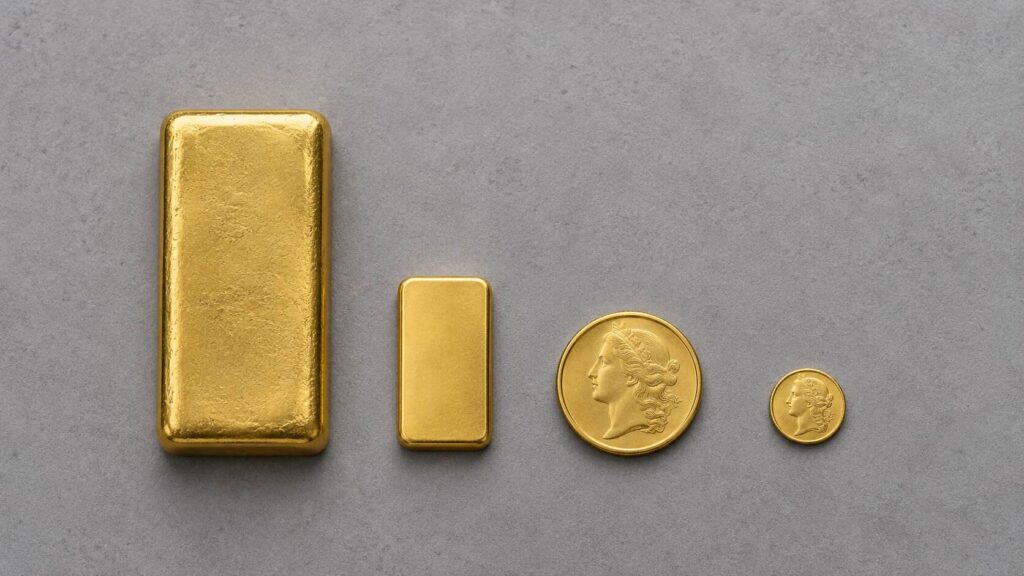
Larger gold formats cost less over spot, and the gap is wider than most buyers realize. We surveyed 110 live retail listings: 10 oz bars at a 1.96% median premium against 20.66% for 1/10 oz coins. One sovereign coin now undercuts a plain 1 oz bar.
IRA-Eligible Gold: The Coins and Bars That Actually Qualify
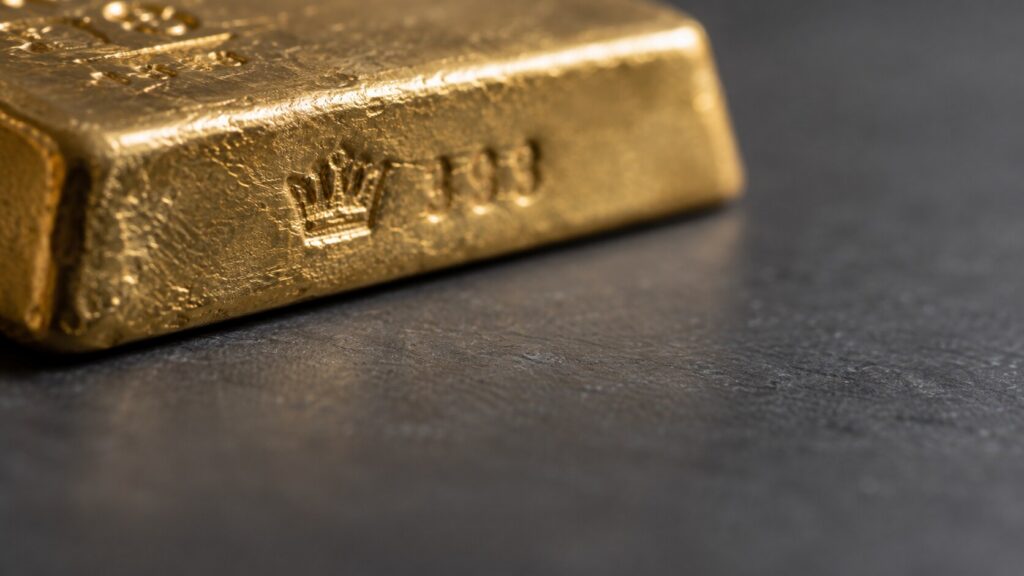
Not every gold coin can go into a Gold IRA. This guide breaks down the IRS fineness rules, the one coin that’s exempt from them, and what actually happens if you buy the wrong product with retirement funds.
Australian Gold Kangaroo: The Bullion Coin Backed by an Act of Parliament

Perth Mint’s flagship bullion coin changes its reverse almost every year, which is the least interesting thing about it. At 99.99% purity with an uncapped mintage, the Australian Gold Kangaroo coin sits behind a guarantee written into Western Australian statute in 1987. Here is what that actually means for what you own.
Gold or Silver First? A First-Time Buyer’s Framework
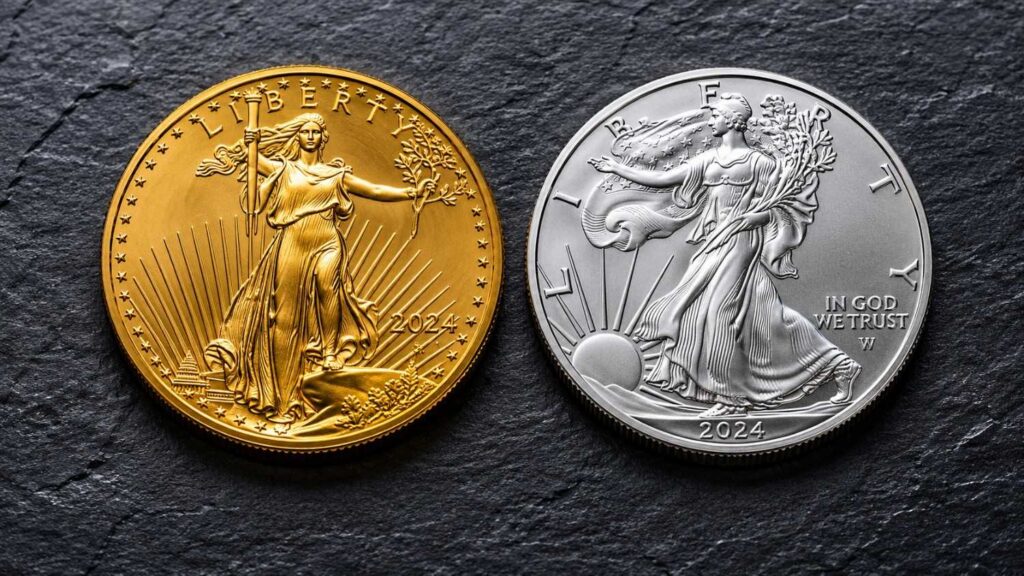
Most guides tell you gold is safer and silver is cheaper. That’s true and useless. This 4-question framework maps your budget, goals, storage, and liquidity needs to a clear starting point — so your first precious metals purchase is the right one.
Best gold investment in 2026: bars, coins, IRA or ETF?

Gold has surged 41% over the past year and hit a record $5,589 per ounce in January 2026. But owning gold and owning it well are two different things. This guide breaks down the real costs, tax treatment, and trade-offs of every major format — bars, coins, ETFs, and IRAs — so you can choose the one that fits your situation.
How to Buy Gold for Beginners: Step-by-Step Guide (2026)

Gold hit a record $5,589/oz in January 2026 and is now around $4,800. This beginner’s guide covers everything first-time buyers need — coins vs bars, trusted dealers, storage, and IRAs.
How to Store Gold at Home: Safes, Security and Insurance

Most people buy a safe and think the problem is solved. The real vulnerabilities — wrong location, no insurance coverage, no one who knows it exists — are the ones that cost them. Here’s what actually protects physical gold at home.
Gold ETFs Are Booming. But Do You Actually Own Gold?
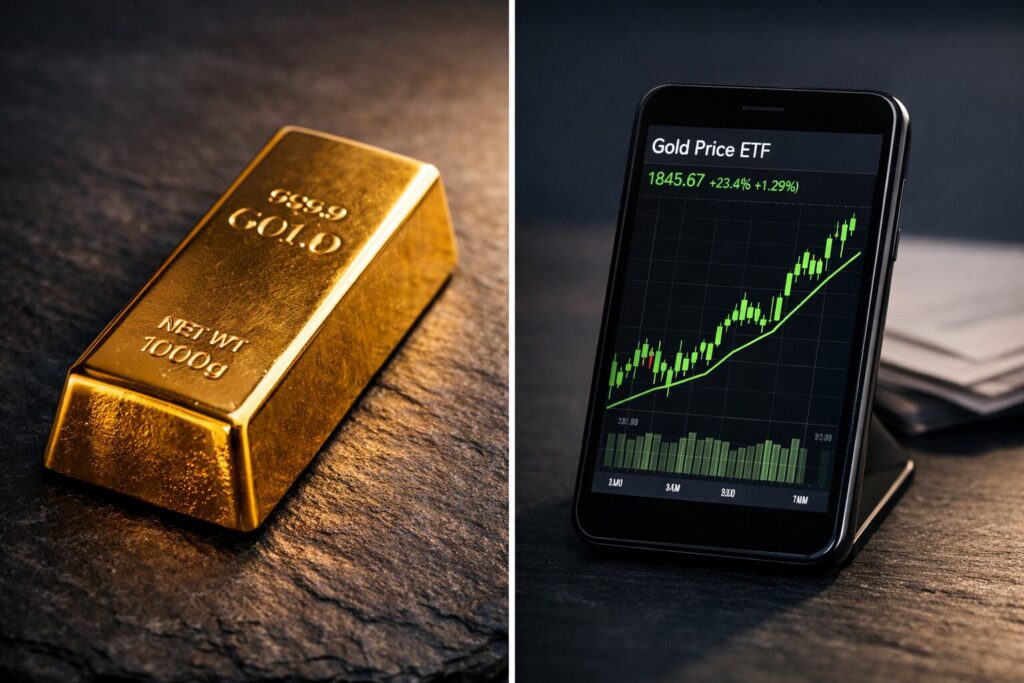
Gold ETF inflows are rising, but are investors getting the protection they think? This guide breaks down the real differences between gold ETFs and physical gold — covering counterparty risk, long-term costs, liquidity, and what each option actually delivers when markets are under stress. If gold is in your portfolio to do a job, here’s how to make sure you’re holding the right version of it.
Should I Buy Gold Now? What Most Investors Get Wrong

Most investors ask the wrong question about gold. It’s not just when to buy — it’s why, how, and how much. This guide breaks down the key factors most people overlook, from choosing the right investment vehicle to building the right allocation for your risk profile, so you can make a smarter, more confident decision about investing in gold today.
87% Dollar Devaluation Since 1971: Why Central Banks Keep Buying Gold

Since the Nixon Shock in 1971, the U.S. dollar has lost roughly 87% of its purchasing power, according to Bureau of Labor Statistics CPI data. Meanwhile, central banks have been net buyers of gold for 16 consecutive years. Here’s what the data shows — and what individual investors can learn from it.