 Silver Rises Over 120% YTD




Ray Dalio’s Gold Strategy: Why He Recommends 5–15% in Gold

Ray Dalio calls gold “the safest money” and recommends a 5–15% portfolio allocation. Here’s what his gold investment strategy means for your portfolio and why his view matters more than ever in today’s economic climate.
What’s the Difference Between Money vs Currency?
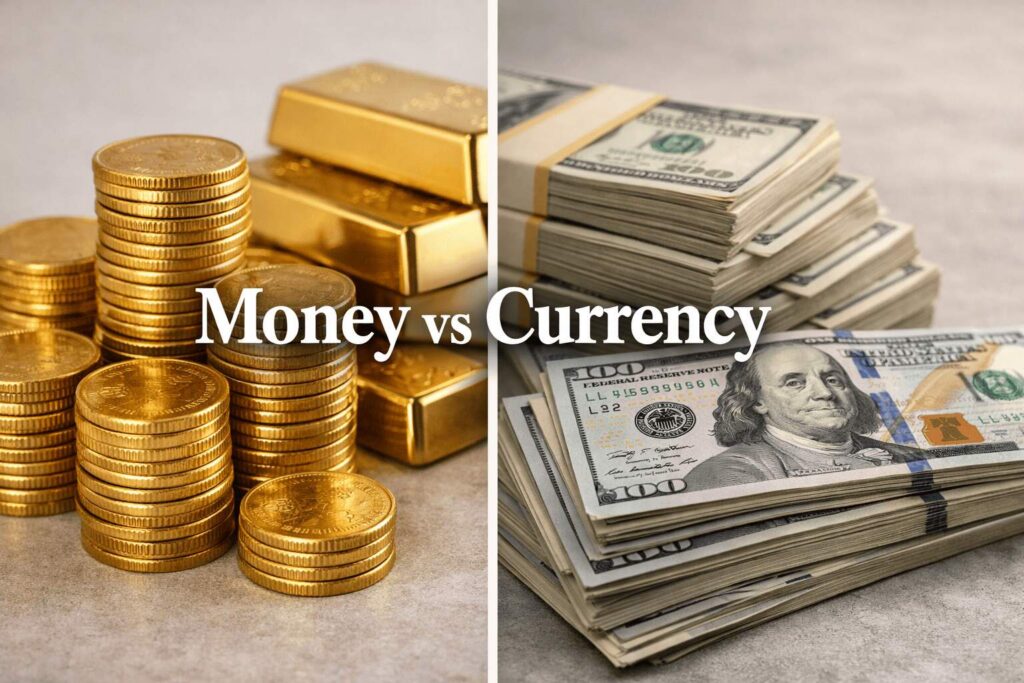
Most people use the terms money and currency interchangeably—but they are not the same. This article explores the difference between money vs currency, why fiat currencies lose purchasing power over time, and why many investors consider gold as a long-term store of value.
Gold vs. Silver: Roles, Risks, and Portfolio Strategy
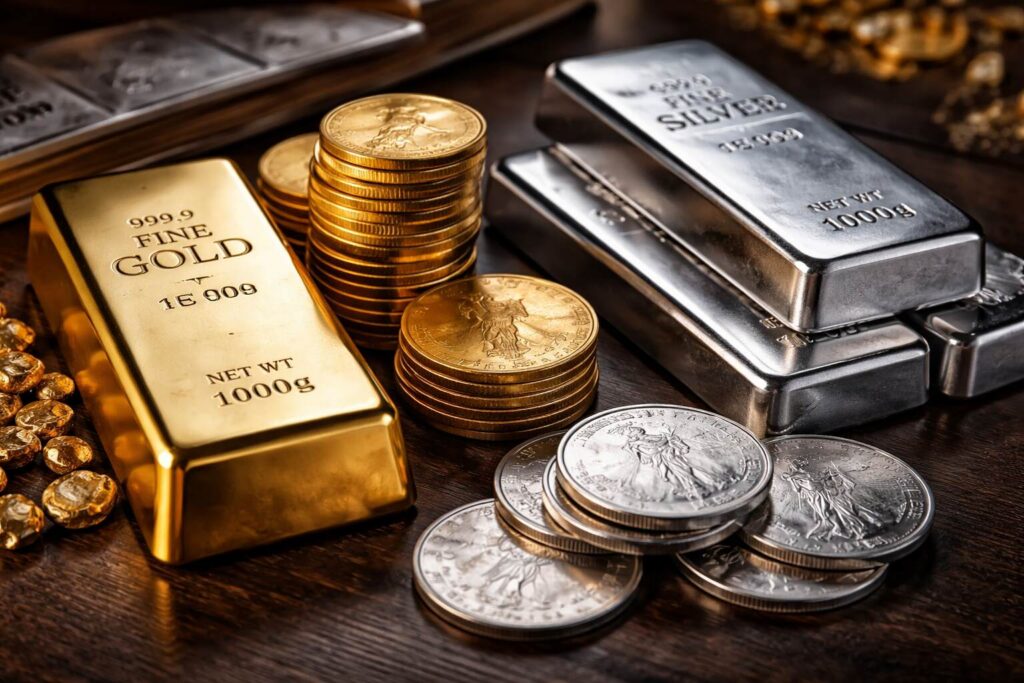
Gold and silver portfolio allocation isn’t about predicting which metal will outperform. It’s about understanding their roles. Gold offers stability, liquidity, and long-term purchasing power protection. Silver brings industrial demand exposure and greater upside potential — along with more volatility. The right balance depends on your goals, risk tolerance, and how precious metals fit within your broader investment strategy.
Gold Portfolio Allocation 2026: What J.P. Morgan’s Forecast Means for Investors

J.P. Morgan has raised its gold price target to $6,300 per ounce by end of 2026—with an $8,000 upside scenario on the table. Here’s what their smart money playbook means for your gold portfolio allocation strategy this year.
Why the U.S. Dollar Is Losing Purchasing Power (And How to Protect Your Wealth)

For most Americans, something feels off. You work harder. You earn more. Yet your money buys less. Groceries. Insurance. Healthcare. Rent. Utilities. It’s not your imagination. The U.S. dollar has been quietly losing purchasing power for over a century — and the system driving that decline is built on ever-expanding debt. Here’s what’s actually happening under the hood — and why it matters to your wealth. The System Most People Never See In earlier eras, paper currency was redeemable for something tangible. Today, the dollar is backed by government credit — and sustained by debt. When the federal government spends more […]
London Gold Fixing: Key Factors That Influence Global Gold Prices
For more than a century, the London Gold Fixing—now the LBMA Gold Price—has set the benchmark that guides global gold transactions. Today’s transparent, twice-daily electronic auctions reflect real-time supply and demand, shaped by central bank policies, inflation, currency movements, geopolitics, and physical market fundamentals. Understanding these forces helps investors interpret price movements and make more informed decisions in the precious metals market.
Gold Spot Price Signals: What It Reveals About Global Confidence
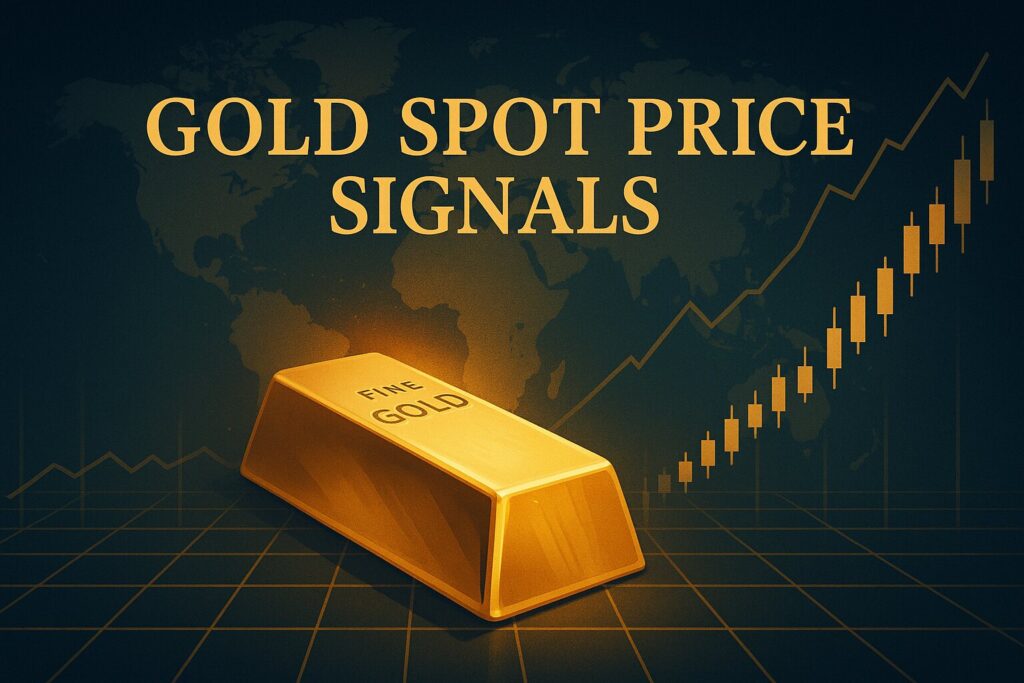
Gold spot price signals reveal much more than the current value of gold — they reflect global confidence, investor sentiment, and the flow of money across markets. Understanding how these signals work helps investors see gold not as a speculative asset, but as a real-time measure of economic trust and stability.
Gold vs. Stocks & Bonds: The Winning Gold Portfolio Allocation Strategy
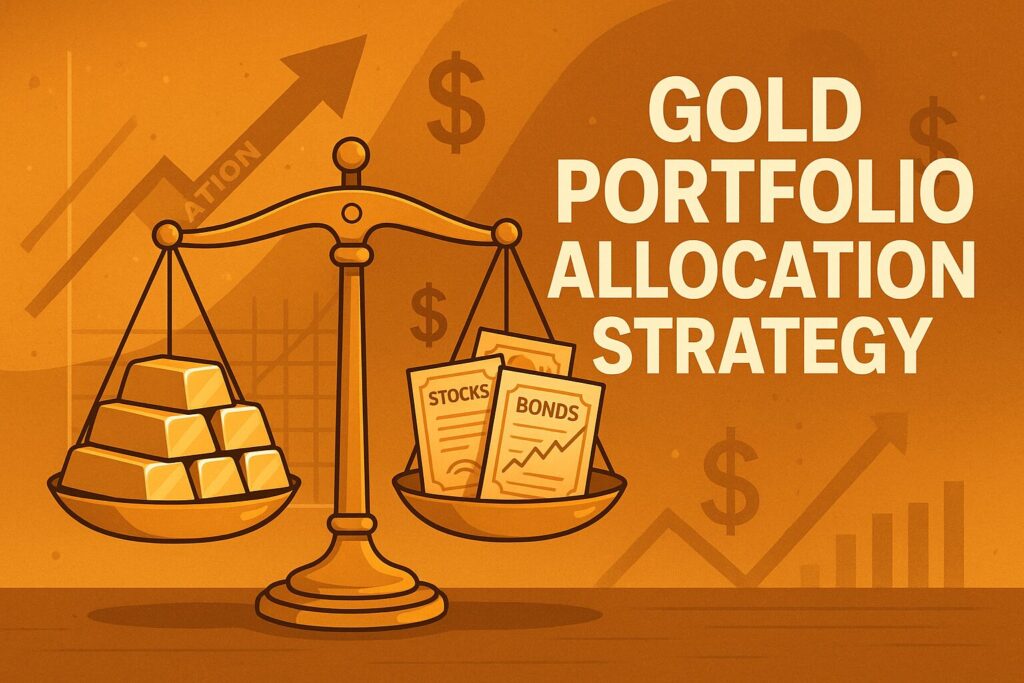
New Morningstar data shows gold outpacing many assets over 1–20 years. See why a 5–15% allocation can strengthen portfolios—and how to own gold the right way.
What Record-High Gold Prices Mean for New Investors
Gold has shattered records in 2025, surpassing the historic $4,000 per ounce milestone — and as of October 8, spot gold is trading as high as $4,041.71. Futures have climbed even higher, pushing toward $4,063.70. That’s up over 52% year-to-date. Even at these elevated levels, first-time investors are moving in, recognizing gold’s enduring role as a hedge against today’s economic uncertainty. Why First-Time Investors Are Embracing Gold at Peak Prices The rush of new gold buyers reflects a perfect storm of economic pressures that have undermined confidence in traditional assets. Persistent inflation, trade tensions, and growing doubts about central bank […]
Is Gold Price Consolidation Your Next Buying Opportunity?
Gold has surged from $2,624 at the start of 2025 to over $3,800 per ounce today. But even during powerful bull markets, prices rarely move up in a straight line. Periods of retracement or sideways trading — known as gold price consolidation — are a normal part of the cycle. For long-term investors, these pauses aren’t setbacks. They’re often the moments when disciplined buyers quietly build positions before the next leg higher. The question is: could this consolidation be your next strategic entry point? What is Gold Price Consolidation? Gold price consolidation happens when the market trades within a defined […]


