 Silver Rises Over 120% YTD




Gold & Silver Supply and Demand: What Really Drives Prices Over Time
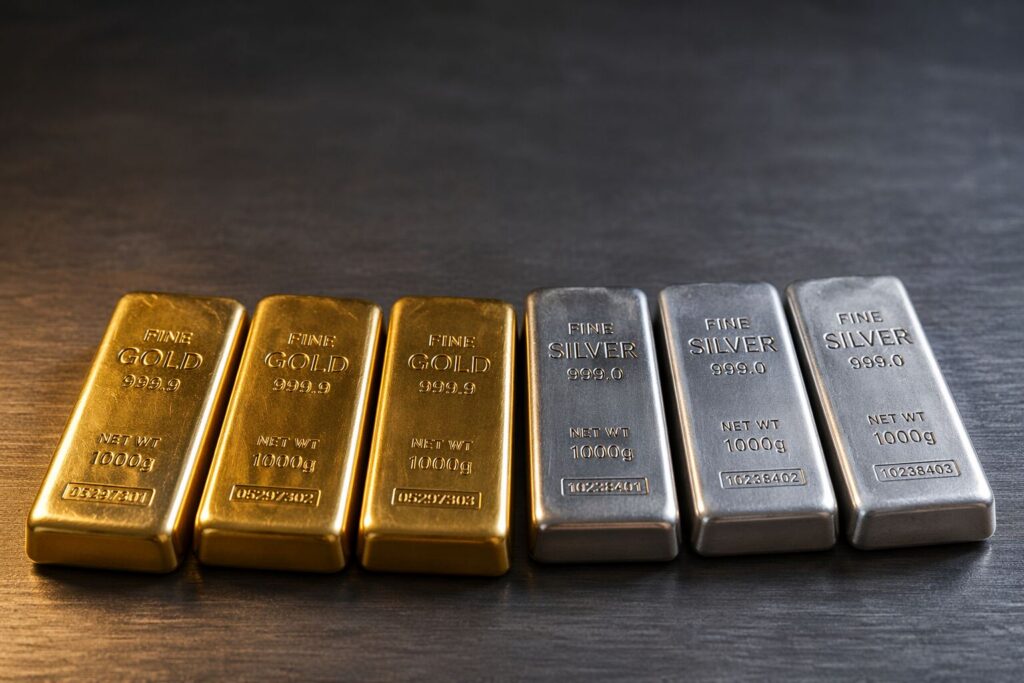
Gold and silver prices don’t move by chance. Discover the key supply and demand forces — from central bank activity and real interest rates to silver’s growing industrial role in solar and EVs — that drive precious metals prices over time and what they mean for your portfolio.
Should I Buy Gold Now? What Most Investors Get Wrong

Most investors ask the wrong question about gold. It’s not just when to buy — it’s why, how, and how much. This guide breaks down the key factors most people overlook, from choosing the right investment vehicle to building the right allocation for your risk profile, so you can make a smarter, more confident decision about investing in gold today.
Why Central Banks Are Buying Gold Again
Central banks have been accumulating gold at the fastest pace since the 1950s. Discover the economic, geopolitical, and monetary forces driving this historic shift in global reserve strategy—and what it means for investors.
How Gold Performs in Recessions: What History Tells Us
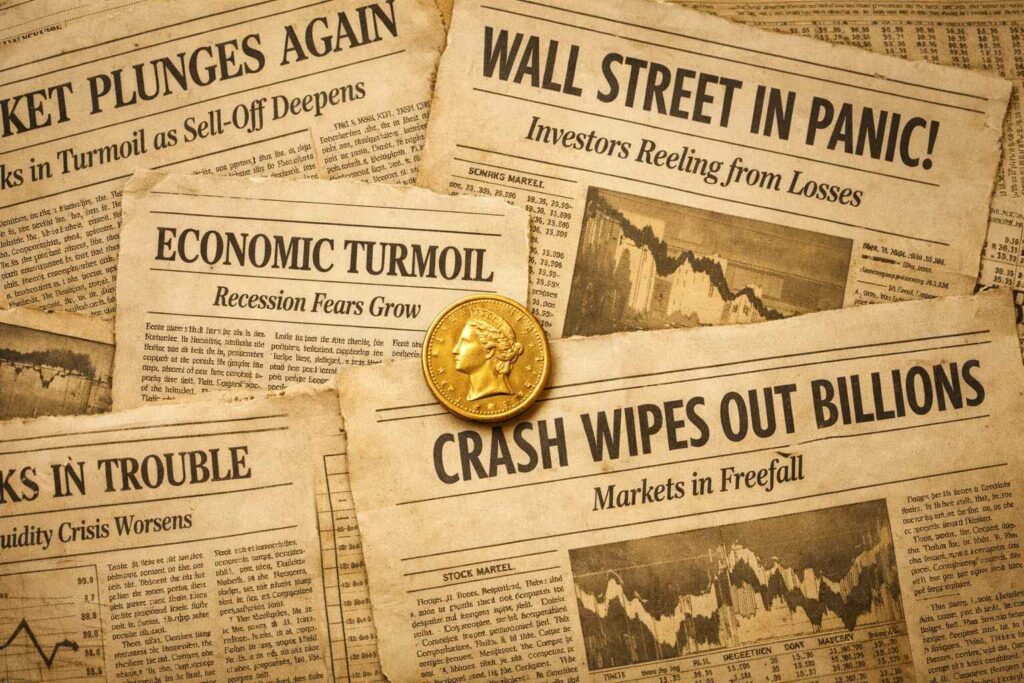
Gold has a centuries-long reputation as a safe haven during economic turmoil — but does the historical data back it up? From the Great Depression to the 2008 financial crisis and the COVID-19 recession, gold has consistently preserved wealth when equity markets faltered. This article examines the data behind gold’s recession performance, compares it against stocks across major downturns, and explains what history tells us about using gold as a portfolio hedge before the next recession arrives.
Gold vs Inflation: What 100 Years of Data Shows

Gold has outlasted every currency it has ever been compared to. But does 100 years of data actually prove it’s a reliable inflation hedge? We break down the key periods — from the Nixon Shock to the 2024 all-time highs — to show exactly when gold shines, when it struggles, and what that means for your portfolio today.
Gold Silver Prices: Short-Term Noise, Long-Term Signal
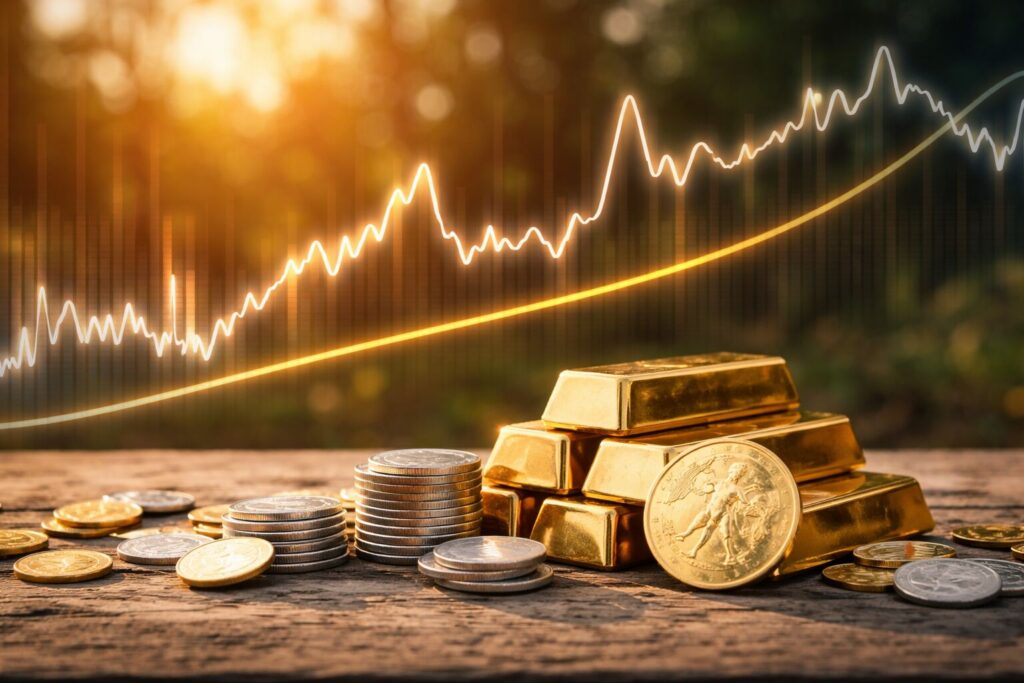
Gold and silver prices are full of short-term noise—daily swings driven by Fed commentary, currency moves, and speculative trading. But underneath the volatility lies a consistent long-term signal. Learn how to tell the difference, what structural forces actually drive precious metals prices over time, and how to build a strategy that stays focused on what matters most.
Gold Portfolio Allocation 2026: What J.P. Morgan’s Forecast Means for Investors
J.P. Morgan has raised its gold price target to $6,300 per ounce by end of 2026—with an $8,000 upside scenario on the table. Here’s what their smart money playbook means for your gold portfolio allocation strategy this year.
How Government Debt Affects Gold and Silver
As government debt reaches record levels, gold and silver are emerging as critical hedges against inflation, currency devaluation, and declining confidence in sovereign financial systems. This article breaks down the key mechanisms linking national debt to precious metals prices, explores a decade of historical performance data, and provides actionable portfolio allocation strategies for investors looking to protect their wealth in an era of fiscal excess.
Gold Spot Price Signals: What It Reveals About Global Confidence
Gold spot price signals reveal much more than the current value of gold — they reflect global confidence, investor sentiment, and the flow of money across markets. Understanding how these signals work helps investors see gold not as a speculative asset, but as a real-time measure of economic trust and stability.
Gold’s Current Rally vs. Past Bull Markets
Gold’s rally to new highs has investors asking if the run is over — but history suggests otherwise. Compared to past bull markets, the current gold bull market may still be in its early stages, with strong macro drivers like inflation, debt, and geopolitical risk fueling further upside.


