 Silver Rises Over 120% YTD




Your Bank Balance Is Lying to You. The Number Is Real. The Wealth Isn’t.
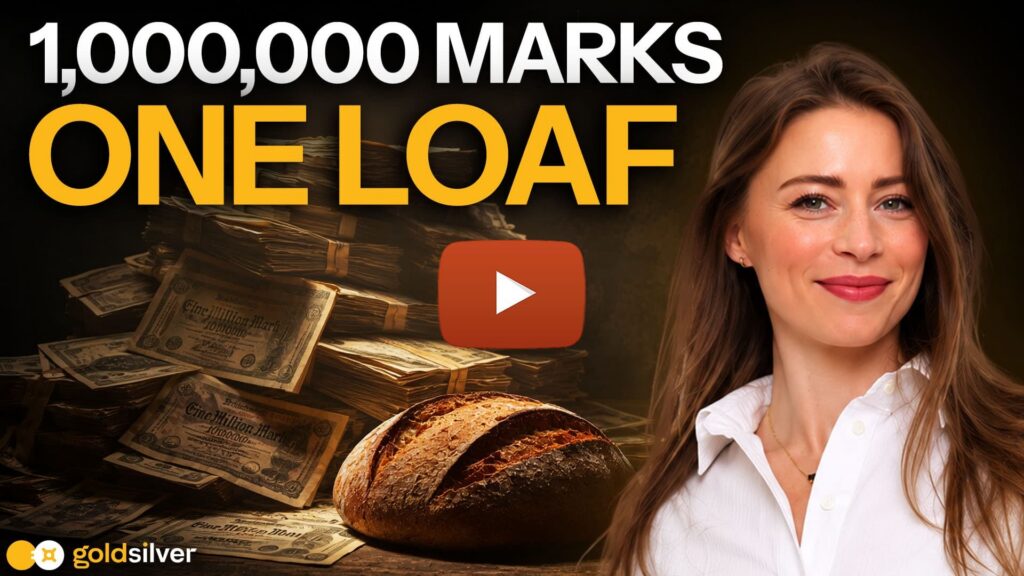
Your bank balance shows a number. That number is not your wealth — it’s a measuring stick. And measuring sticks can shrink. Megan King Diaz explains why, and what actually holds its value.
What Is Purchasing Power — and Why Every Dollar You Save Is Slowly Being Taxed Away
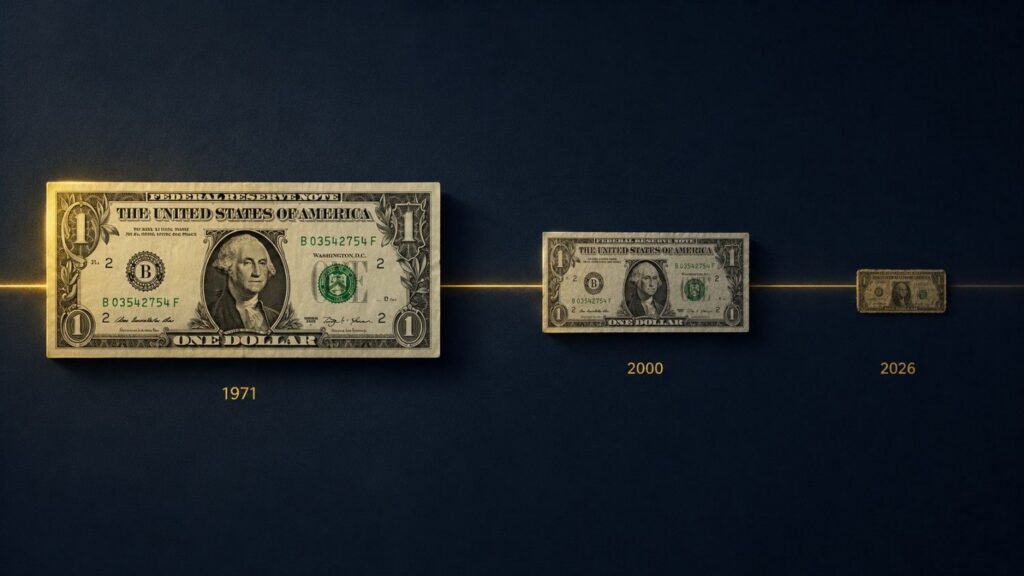
The dollar has lost 87% of its purchasing power since 1971. Learn what purchasing power actually is, why fiat currency erodes it, and why gold doesn’t.
Gold Went Up 600%. Your Mining Stocks Didn’t. Here’s Why.

Gold went up 600% since 2006. Junior miners are still negative over the same period. Rob McEwen — the operator who built Goldcorp into a multi-billion dollar producer — explains the exact mechanism behind the gap, what finally closes it, and why mining stocks at 2% of global equity may be the setup of the decade.
Why Is Gold So Expensive? The 5 Mechanisms Behind the Price
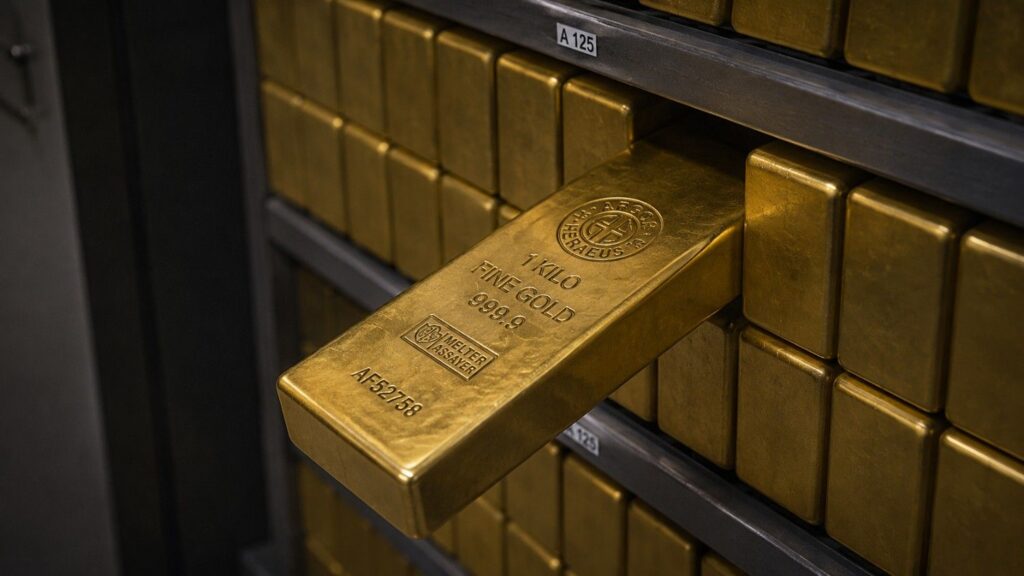
Gold costs roughly $4,000 per ounce today. Here are the five specific, measurable forces that explain exactly why — and why every major bank expects the price to go higher.
When Gold’s Price “Goes Up,” You’re Reading It Backward
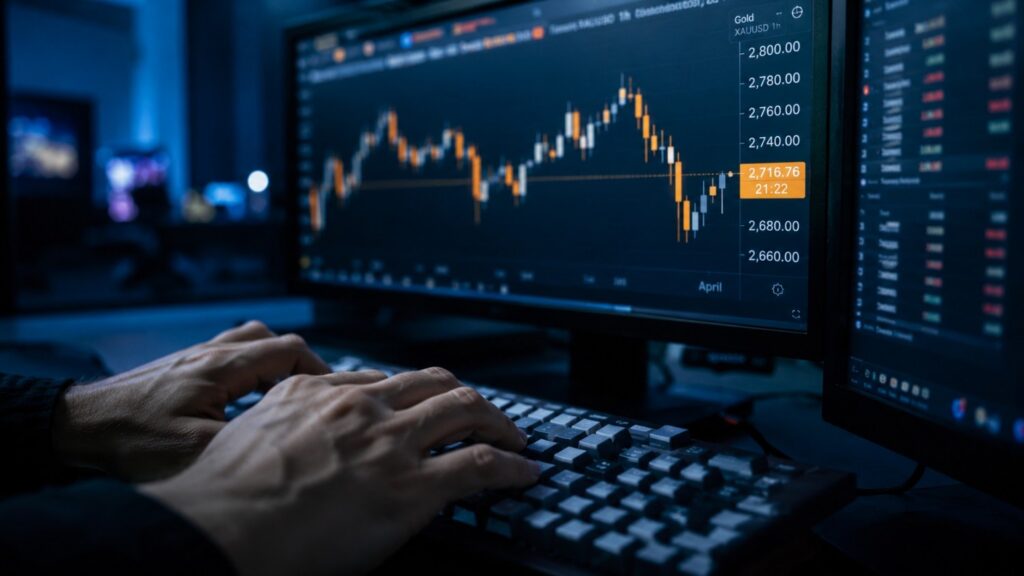
When gold’s price rises, most people think gold got more expensive. They’re reading it backward. Here’s why gold as a store of value changes how you think about money and savings.
72% of Family Offices Hold No Gold. What They’re Missing.

Nearly three-quarters of the world’s most sophisticated investors hold no gold. The reasons are psychological, structural, and surprisingly relevant to your own portfolio decisions.
Gold Purchasing Power: What History Really Shows

The Roman suit myth says gold has always bought the same amount. The real history is more complicated — and far more revealing about where gold’s value is headed.
Should You Sell Gold During a Bull Market Pullback?
Gold has pulled back 16% from its January 2026 all-time high — but history shows that selling during a bull market pullback has repeatedly cost investors the next major leg higher. Here’s how to decide.
Gold During the 1929 Crash: What History Tells Us
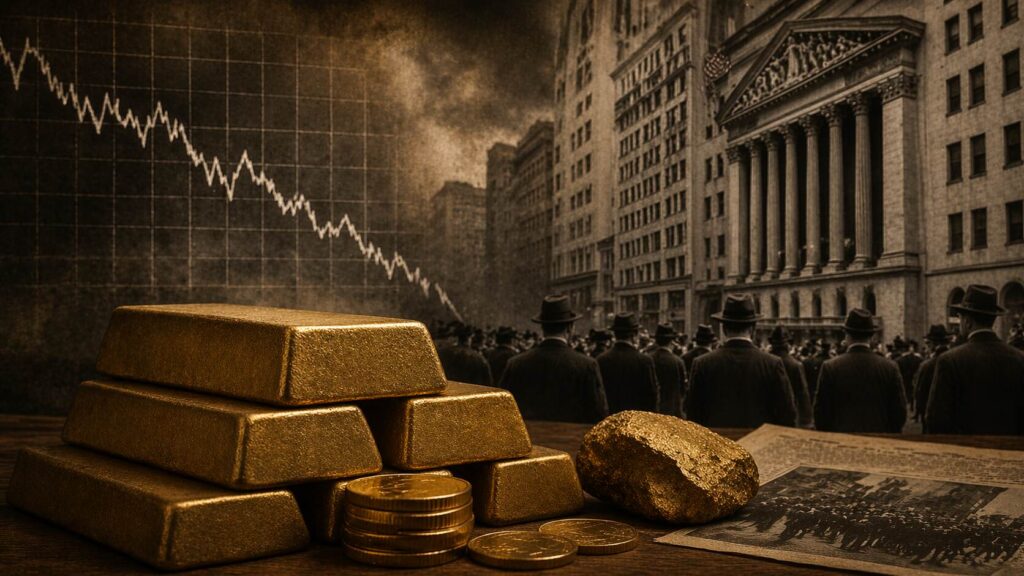
When the Dow lost 89.2% between 1929 and 1932, gold preserved its purchasing power. Across every major crisis since — 2000, 2008, 2020 — the same pattern held. Here’s what the historical record says about gold during a stock market crash, and what investors did differently.
Gold vs Stocks & Bonds: What the Data Really Suggests
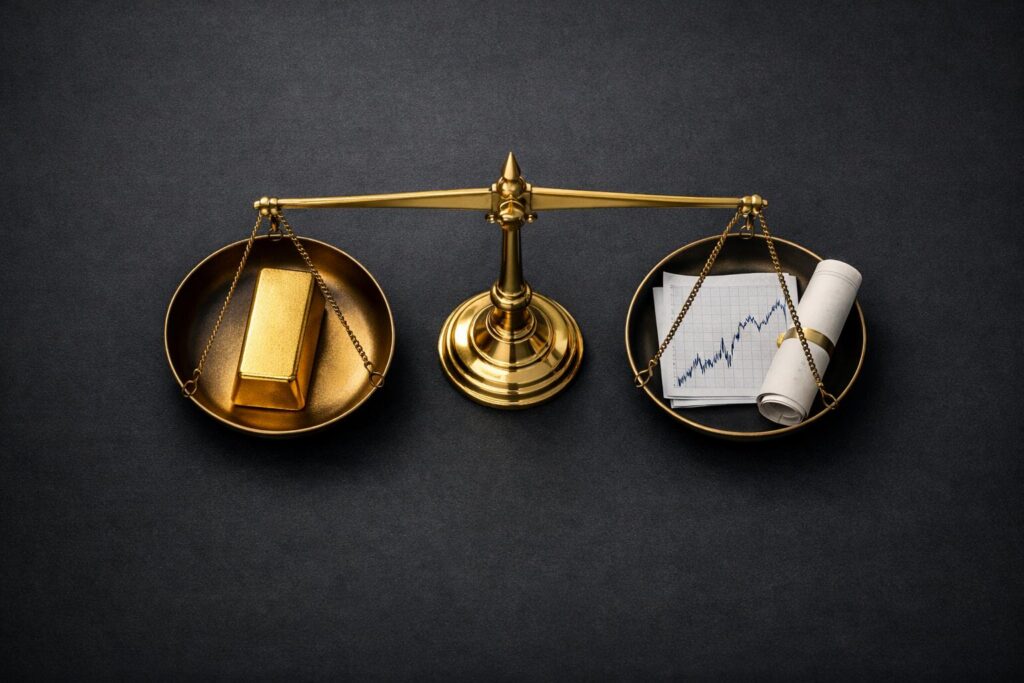
Most investors rely on stocks for growth and bonds for stability — but the data tells a more complex story. Discover what gold actually does in a portfolio that traditional assets cannot, and why the case for including it has never been stronger.


