 Silver Rises Over 120% YTD




FOMC Minutes Tomorrow. Jackson Hole in Nine Days. Here Is What Gold Needs From Both.
Gold is at $4,390 and silver at $64.74 as five forces hit the market at once. The Iran ceasefire expired. FOMC minutes drop tomorrow. Warsh speaks at Jackson Hole in nine days. Central banks just recorded the strongest Q2 gold buying on record. And silver is falling harder than gold — here is why each move matters.
Silver Is Up Nearly 5% This Morning. Here Is Exactly Why.
Silver is up nearly 5% this morning as mediators proposed a 10-day ceasefire between the US and Iran — and the mechanism behind the move is specific, teachable, and worth understanding before the next one. Here is the full chain: from oil prices to inflation expectations to the Federal Reserve’s September meeting, and what it means for long-term holders.
Trump Called the Deal Dead. Oil Jumped 6%. Gold Fell. Here Is Why Both Moves Make Perfect Sense.
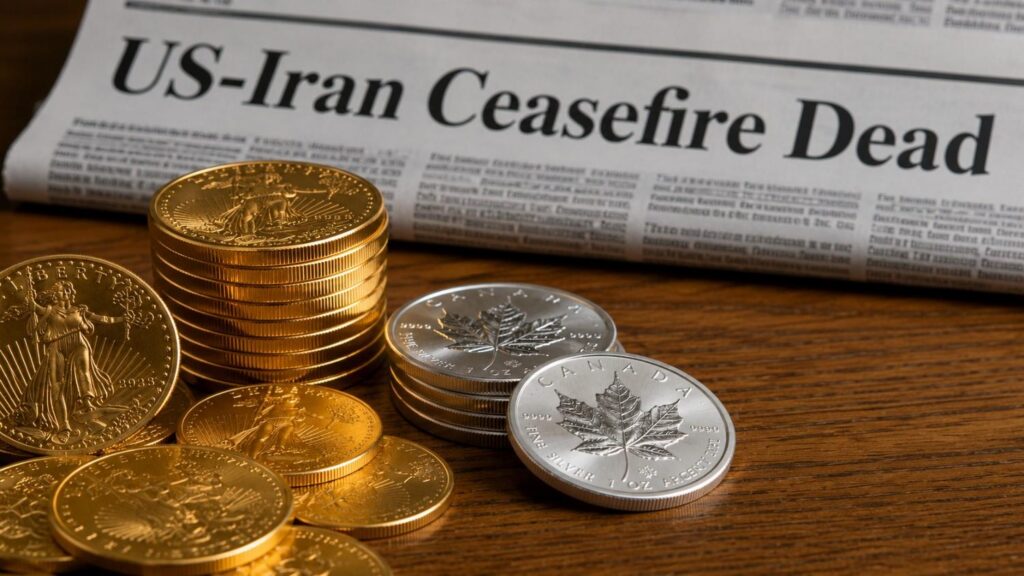
Trump called the Iran ceasefire “over” at the NATO summit on July 8, 2026. Oil surged 6%. Gold fell to $4,072. Silver dropped to $58.45. The reason the same geopolitical shock that pushed oil higher sent both metals lower is the mechanism that has governed precious metals all year.
Gold Didn’t Fall on Iran Peace News. That’s the Point.
Trump called off a planned strike on Iran Monday afternoon. Oil fell over 1%. Gold slipped 0.23%. That’s not a non-event — it’s a signal. The gold price isn’t moving on war or peace news because it’s no longer the war holding it up. It’s the Fed trap: a central bank that can’t raise rates into a $39 trillion debt and can’t cut while inflation runs hot. Until that changes, the floor holds.
Gold Drops to $4,681 — Iran Ceasefire Expires Today
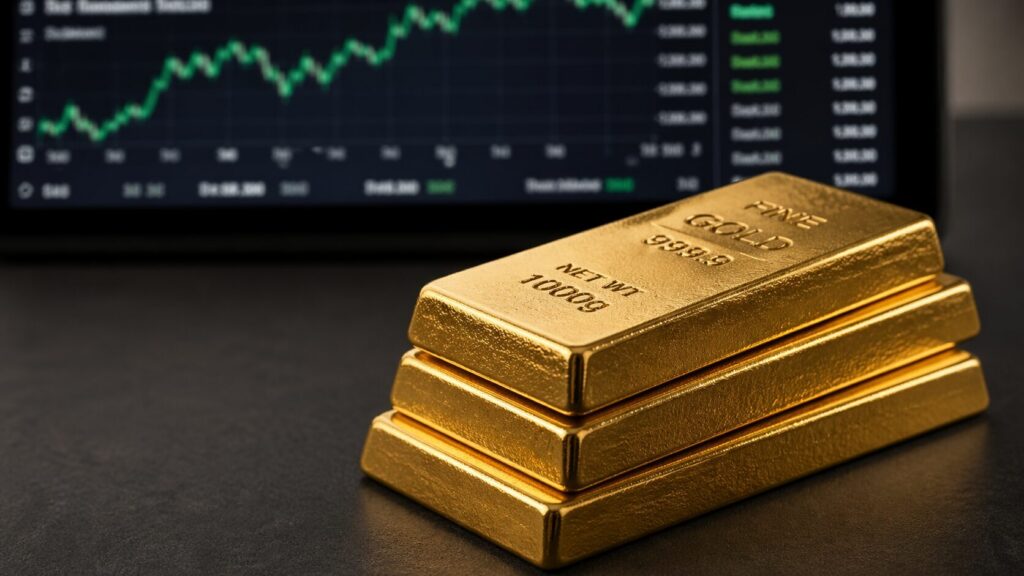
Gold has fallen to $4,681 as the Iran ceasefire expires today and the Fed chair fight stalls in the Senate. With two live scenarios and institutional uncertainty growing, here’s what the price action actually means for your allocation.
Oil Crashed 11%. Gold Went Up. That Tells You Everything.
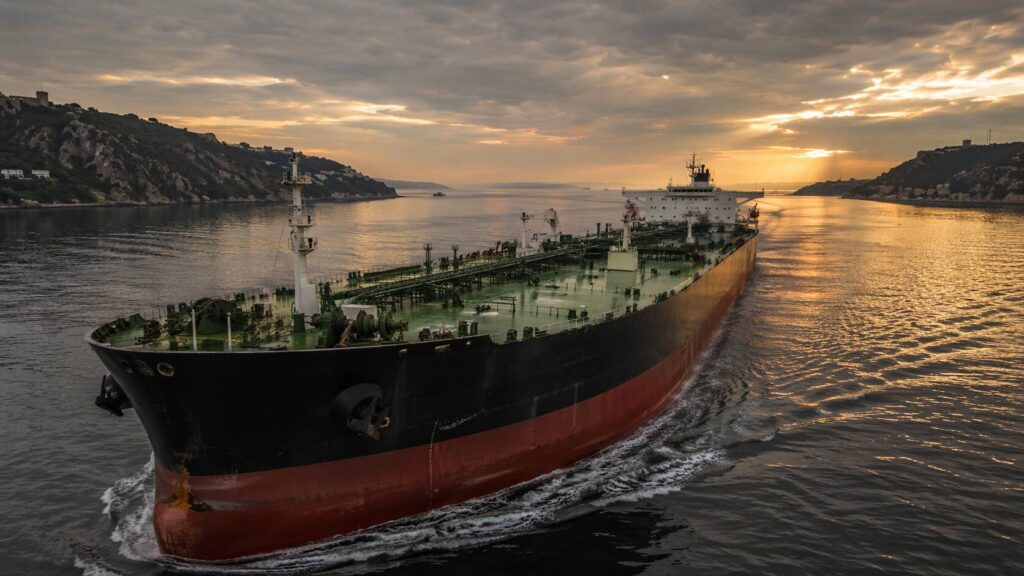
Oil crashed 11% on Friday when Iran reopened the Strait of Hormuz. Gold went up. That rare divergence — oil down, gold up, same catalyst — signals that gold’s rally is driven by monetary forces, not geopolitical ones. The war premium left oil. The monetary premium stayed in gold. Here is what that means for precious metals investors watching the Fed’s next move.
Silver Holds Near $80 as Iran Ceasefire Revives Rate-Cut Bets

Silver surged more than 5% Tuesday and is holding near $80 — the highest level since March. The move isn’t simple. When the US and Israel launched their air campaign against Iran, gold fell 10% instead of rising. The reason was oil, the Strait of Hormuz, and an inflation shock that killed rate-cut expectations. The Iran ceasefire is now reversing all three dynamics at once — and silver is responding through both its monetary and industrial demand channels. Here’s the mechanism, the data, and the one date every precious metals investor should have on their radar.
The Fed Goes Silent in 3 Days – What Does That Mean For Gold?
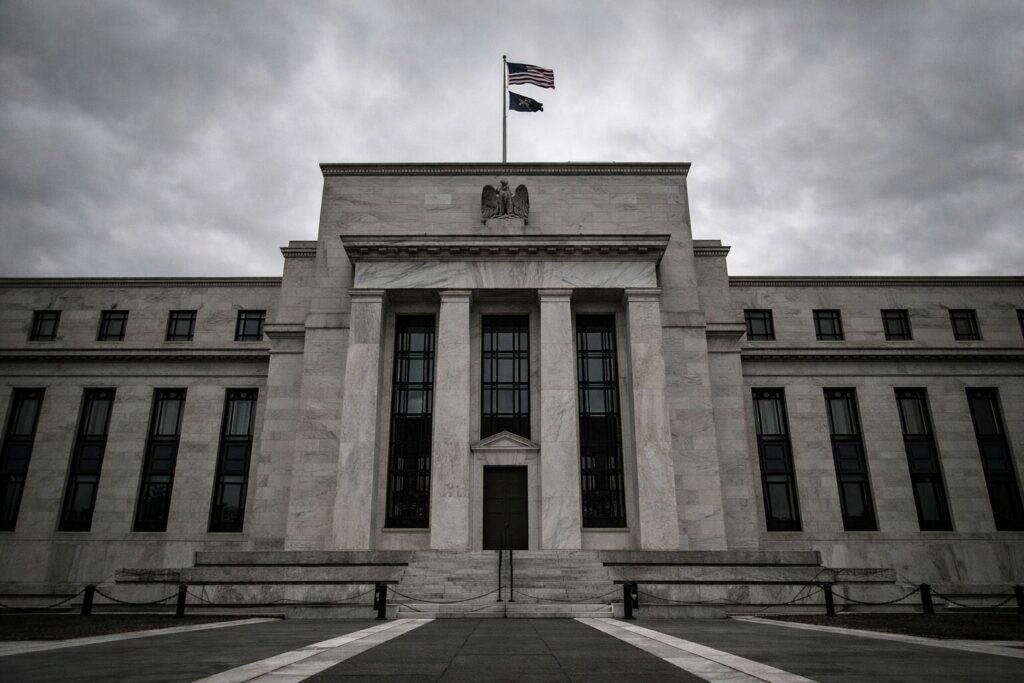
The Fed goes silent April 18. For 12 days, no official can speak on rates — just as the Iran ceasefire teeters and stagflation data lands. Here’s what the FOMC blackout means for gold.
$88 Billion a Month: Why U.S. Debt Is Driving Gold Prices
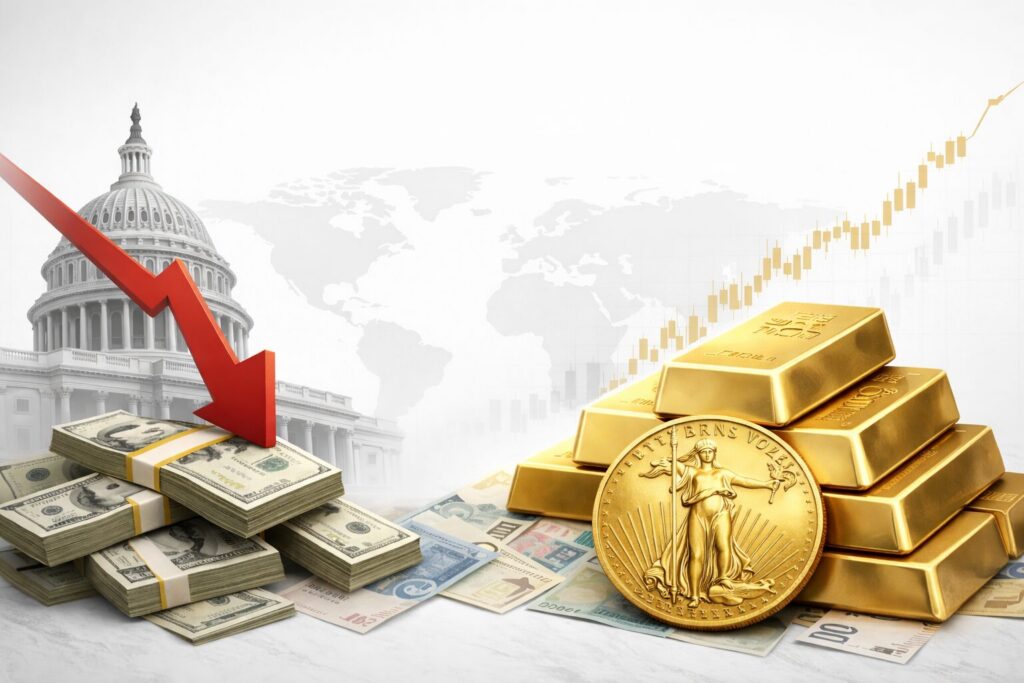
Does US debt drive gold prices? The CBO confirmed the U.S. paid $529 billion in interest in just the first half of fiscal 2026 — $88 billion a month. Gold is at record highs and climbing. Here’s the fiscal mechanism every saver needs to understand before the next $88 billion bill arrives.
CPI Hits 3.3%, GDP Stalls — Is Stagflation 2026 Here?
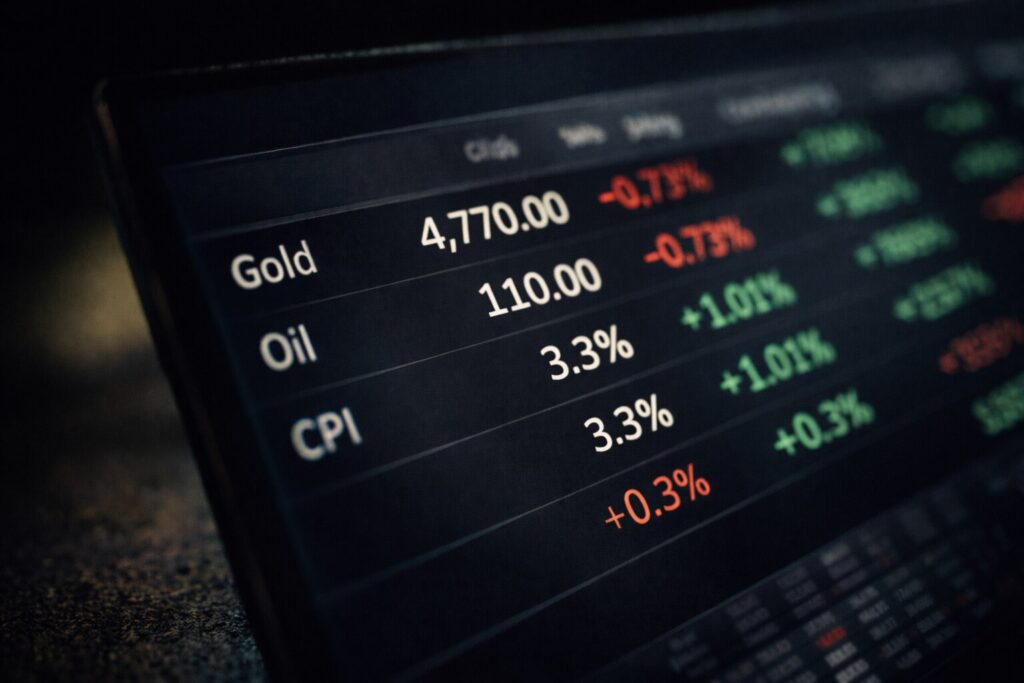
March CPI surged to 3.3% — the highest since May 2024 — while Q4 GDP sits at just 0.5%. The stagflation 2026 thesis is now backed by hard data. Gold eyes a third weekly gain as the Iran ceasefire cracks and Islamabad talks loom. Five stories you need this morning.


