 Silver Rises Over 120% YTD




Silver Round-Tripped a 6.8% Shock in Nine Days. Real Yields Did It, Not Inflation.
Silver closed at $67.28 on September 9, before a drone strike shut Saudi Arabia’s largest oil pipeline. Nine days and one Fed hike later, it is almost back. Most coverage credits fading inflation fear. The Federal Reserve’s own data disagrees: breakevens fell while real yields rose 22 basis points.
Iran Hit a Tanker in Hormuz and Trump Threatened Iran. Oil Isn’t Reacting.
Iran hit a tanker in the Strait of Hormuz and Trump weighed a big decision on Iran, yet oil barely moved. Here’s the real-yield mechanism behind gold and silver’s muted reaction today.
Gold and Silver Rip Higher as the Fed-Hike Selloff Reverses
Gold and silver are ripping higher Thursday, clawing back Wednesday’s Fed-hike selloff as a Saudi pipeline outage eases and Treasury yields pull back. Silver’s gain is running well ahead of gold’s.
Silver Is Outperforming Gold by a Third This Morning. The Fed Hasn’t Even Voted Yet.
Silver is beating gold by a wide margin this morning, running about a third larger a gain, hours before the Fed’s rate decision. Here’s the mechanism behind the divergence — and what to watch once the Fed actually votes.
Gold Just Ignored a War. Here’s What It’s Actually Watching.

Gold and silver fell Monday even as a shut Saudi pipeline and a struck vessel in the Strait of Hormuz raised the stakes in the Middle East. The real driver: Fed rate-hike odds jumped to 86.5% two days before Wednesday’s decision.
Five Things Are Moving Gold and Silver Today. They All Point to the Same Argument.

Gold and silver got pulled five different directions today: a fading debasement narrative, a record ETF month, $6 diesel, sanctioned gold flows into Iran, and a new $120 oil call. Here’s how they all connect.
Gold’s Tiny Output Is Worth Twice Aluminum’s. Here Are Four More Signals Like It.

Gold is choppy near $4,400 today, but four other signals say more: gold’s output value against aluminum, LBMA’s conference filling a month early, UBS’s structural buy case, and silver’s own outperformance.
Gold Is Falling for a Reason Most Investors Have Backwards

Most investors assume a Middle East flare-up is automatically bullish for gold. This time it wasn’t. The real driver behind the drop is an oil shock feeding straight into the Fed rate decision, not a safe-haven failure.
Trump Declared Economic War on Iran. Gold Barely Blinked. Here’s Why.
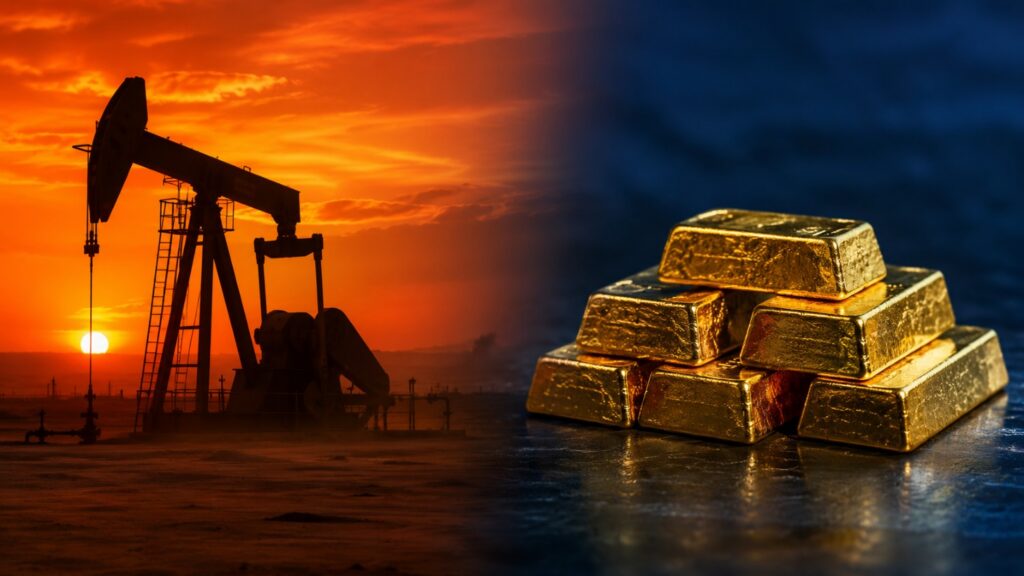
Trump declared economic war on Iran and oil jumped, but gold barely moved. Here’s the disconnect, and the five forces actually driving today’s metals market.
Zero Tankers Crossed Hormuz on Sunday. Oil Hit $89. Gold Barely Moved.
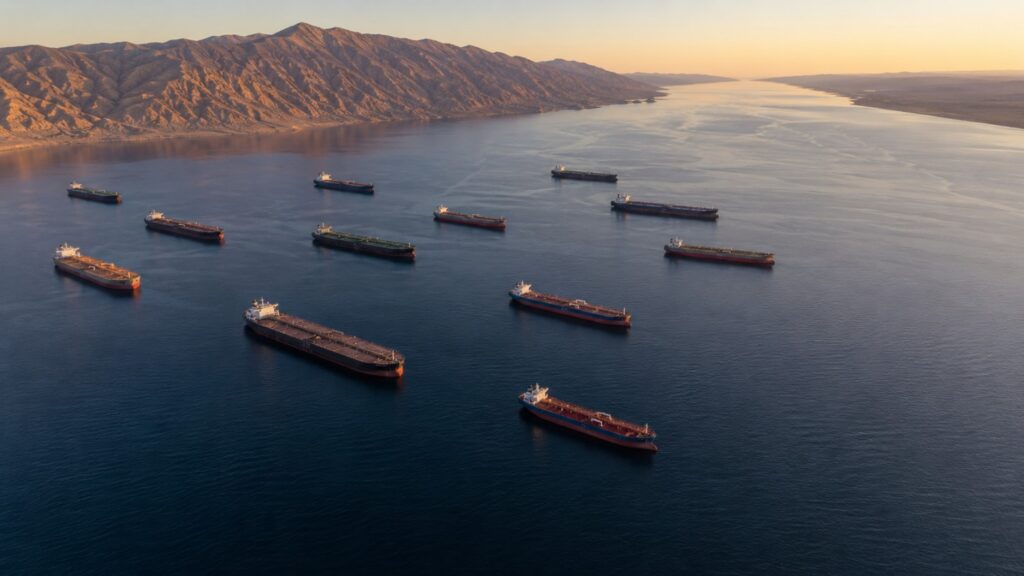
The 60-day US-Iran MOU expired this weekend with no replacement deal. Shipping through the Strait of Hormuz collapsed to zero. Oil climbed. Gold held. Here is why the non-reaction is actually the most important signal in this story.


