 Silver Rises Over 120% YTD




Gold’s Purchasing Power: What One Ounce Buys Over Time
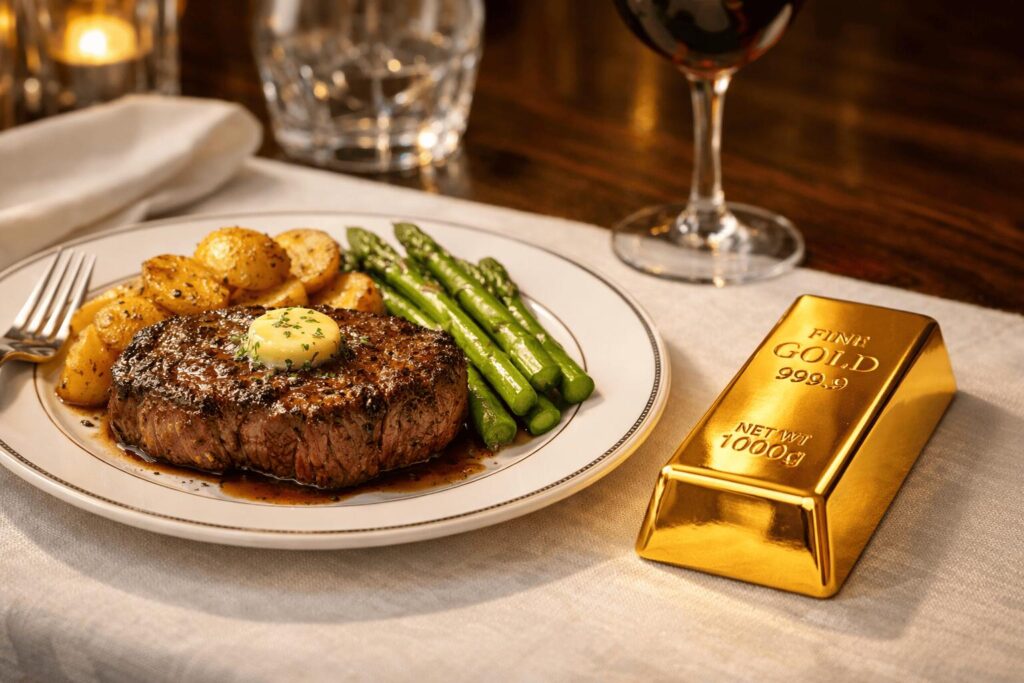
What can one ounce of gold actually buy? The answer reveals gold’s true value better than any price chart. In 1971, one ounce bought dinner for three at London’s Savoy Grill. Today, it buys dinner for fourteen. A quality suit cost one ounce in the 1920s—and still does today. Meanwhile, fiat currencies have lost 95%+ of their purchasing power. Discover the “Savoy Gold Ratio” and why gold’s consistent buying power across generations makes it essential portfolio insurance in an era of currency debasement.
Foreign Investors Are Selling U.S. Debt — Here’s Why Gold Is Surging
A Danish pension fund just dumped its entire U.S. Treasury position over fiscal concerns. The $100M sale seems tiny—but if other foreign institutions follow suit, the impact on gold could be massive. Here’s what investors need to know.
Gold ETF & Physical Gold: Hidden Risks Most Investors Miss
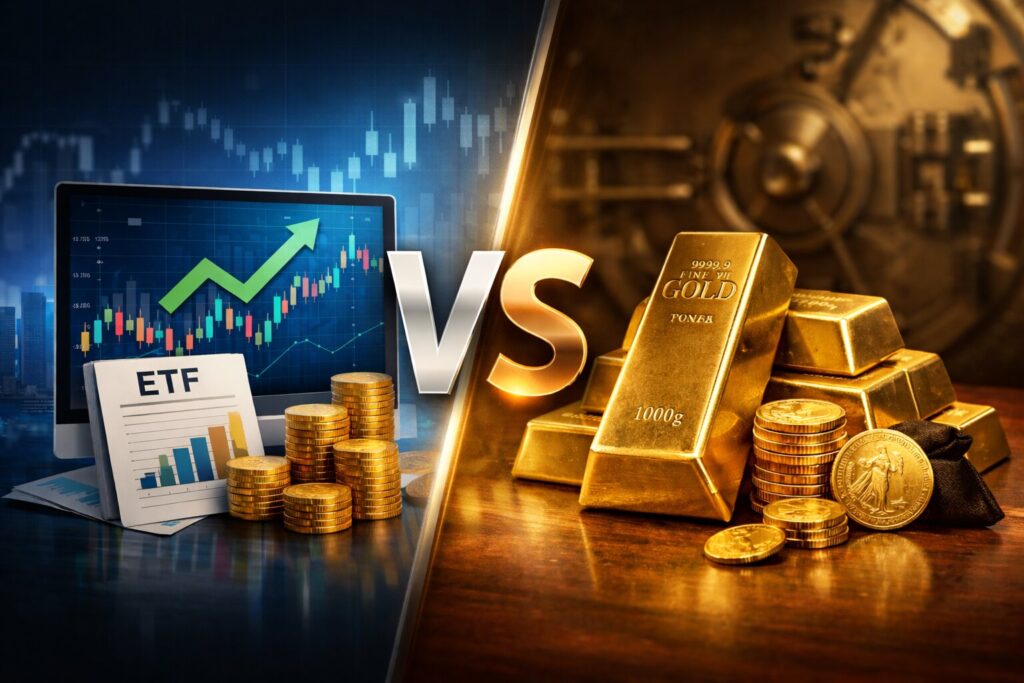
Gold ETFs offer convenience, but that ease comes with hidden risks. From counterparty exposure to frozen redemptions, this breakdown shows why physical gold offers true ownership and real crisis protection.
Are Mining Stocks a Trap? Mike and Alan Break Down 50 Years of Data
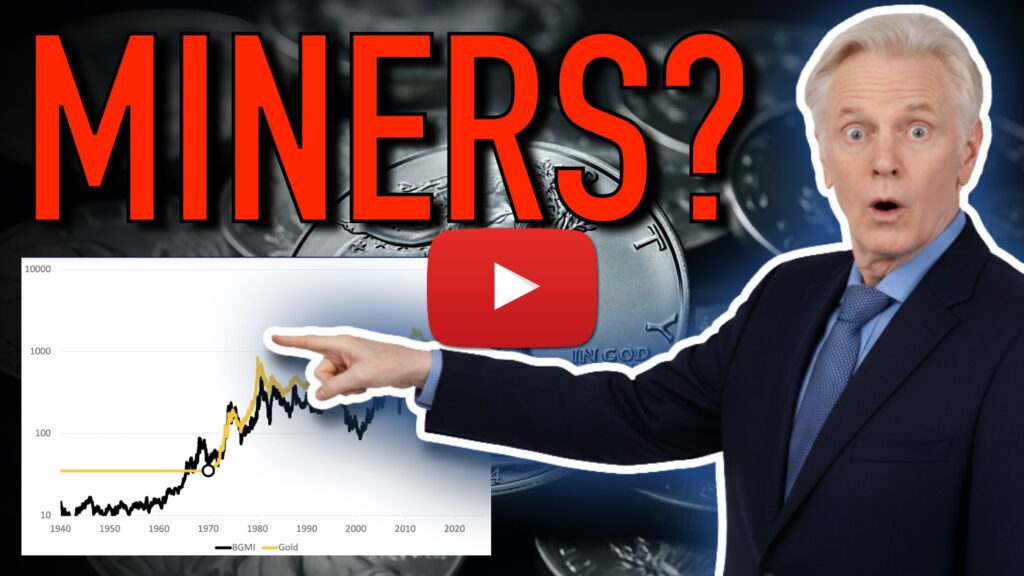
Are gold mining stocks really a leveraged bet on gold—or a long-term trap? Mike Maloney and Alan Hibbard analyze 50 years of data and reveal why physical gold has massively outperformed even the best mining companies, exposing the hidden risks of dilution, volatility, and poor timing that most investors underestimate.
Gold Spot Price Signals: What It Reveals About Global Confidence
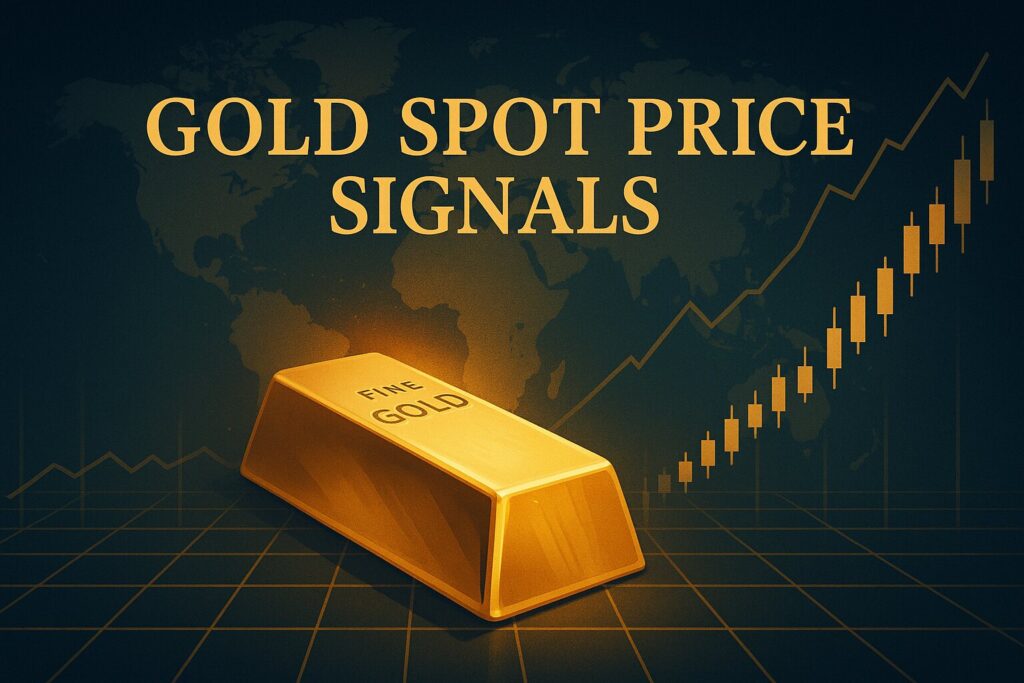
Gold spot price signals reveal much more than the current value of gold — they reflect global confidence, investor sentiment, and the flow of money across markets. Understanding how these signals work helps investors see gold not as a speculative asset, but as a real-time measure of economic trust and stability.
Why Bid-Ask Spreads Matter for Precious Metals Investors
Imagine walking into a gold dealer’s shop. You see gold trading at $2,000 per ounce on the news, but when you ask to buy, the dealer quotes $2,040. When you ask what they’d pay if you were selling, they say $1,960. That $80 difference? That’s the bid-ask spread in action. The bid-ask spread is the difference between what dealers pay you (the bid price) and what they charge you (the ask price). It’s essentially the cost of doing business in precious metals — and it directly impacts your investment returns. Think of it as the “toll” you pay to enter […]


