 Silver Rises Over 120% YTD




How Gold Performs in Recessions: What History Tells Us
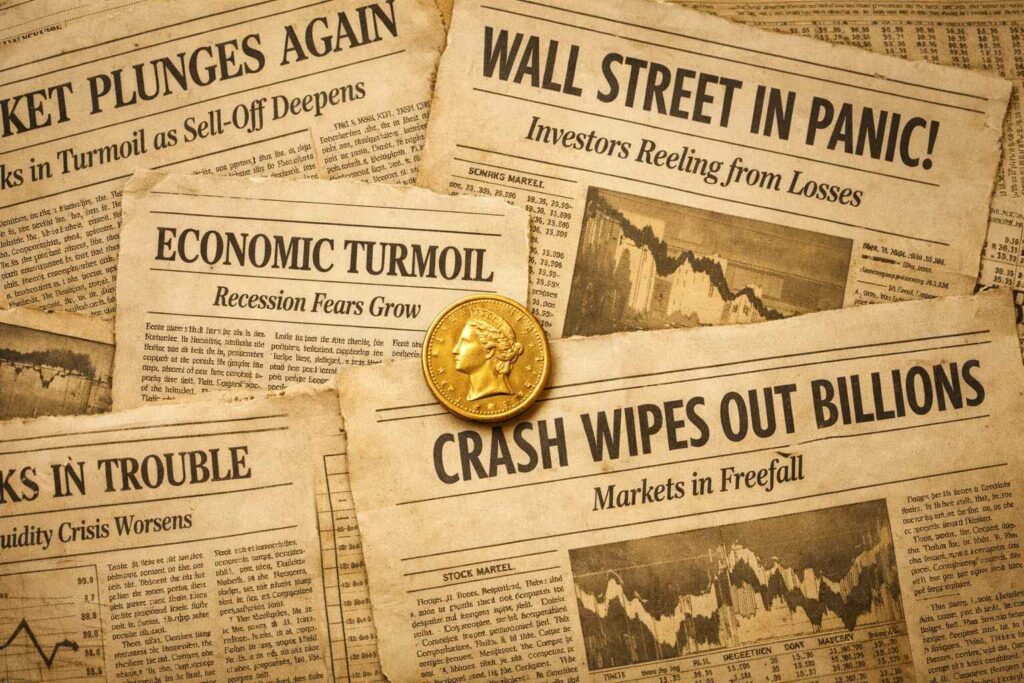
Gold has a centuries-long reputation as a safe haven during economic turmoil — but does the historical data back it up? From the Great Depression to the 2008 financial crisis and the COVID-19 recession, gold has consistently preserved wealth when equity markets faltered. This article examines the data behind gold’s recession performance, compares it against stocks across major downturns, and explains what history tells us about using gold as a portfolio hedge before the next recession arrives.
Ray Dalio’s Gold Strategy: Why He Recommends 5–15% in Gold

Ray Dalio calls gold “the safest money” and recommends a 5–15% portfolio allocation. Here’s what his gold investment strategy means for your portfolio and why his view matters more than ever in today’s economic climate.
Gold vs Inflation: What 100 Years of Data Shows

Gold has outlasted every currency it has ever been compared to. But does 100 years of data actually prove it’s a reliable inflation hedge? We break down the key periods — from the Nixon Shock to the 2024 all-time highs — to show exactly when gold shines, when it struggles, and what that means for your portfolio today.
How to Buy Gold: A Beginner’s Guide for Investors
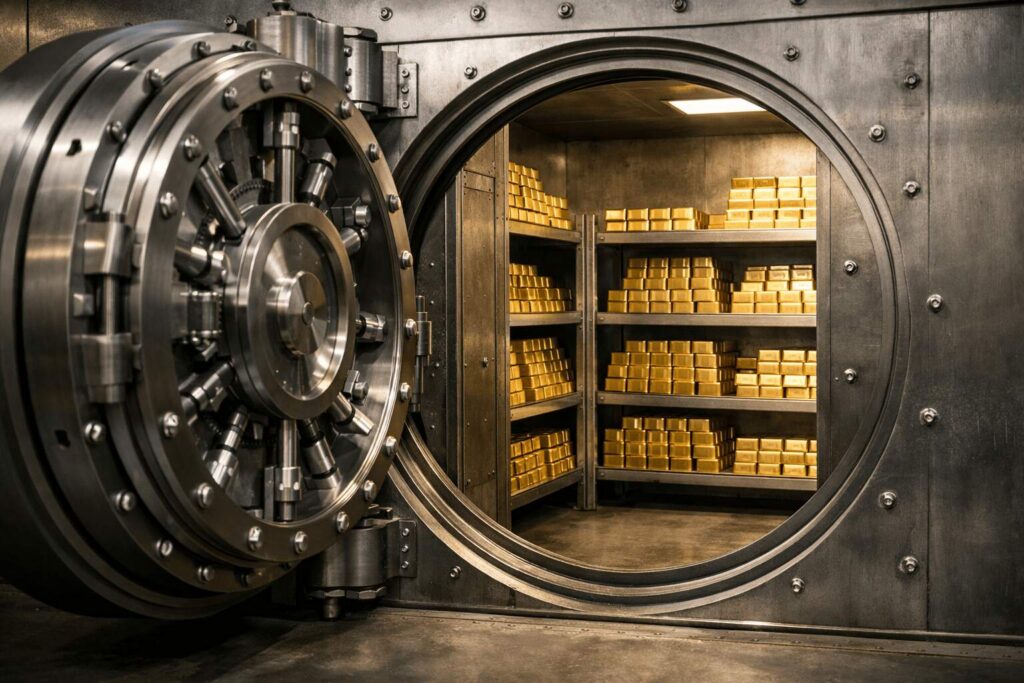
Wondering how to buy gold in today’s volatile market? Gold and silver are climbing again as inflation, war-driven supply shocks, and economic uncertainty push investors toward precious metals for protection.
The History of Currency Debasement: What Rome Teaches Us About Money Today

From ancient Rome to Nixon’s 1971 gold shock, the history of currency debasement follows a predictable pattern. Understanding it is one of the most valuable things a long-term investor can do.
Silver Bars vs. Silver Coins: Which Is the Better Investment?
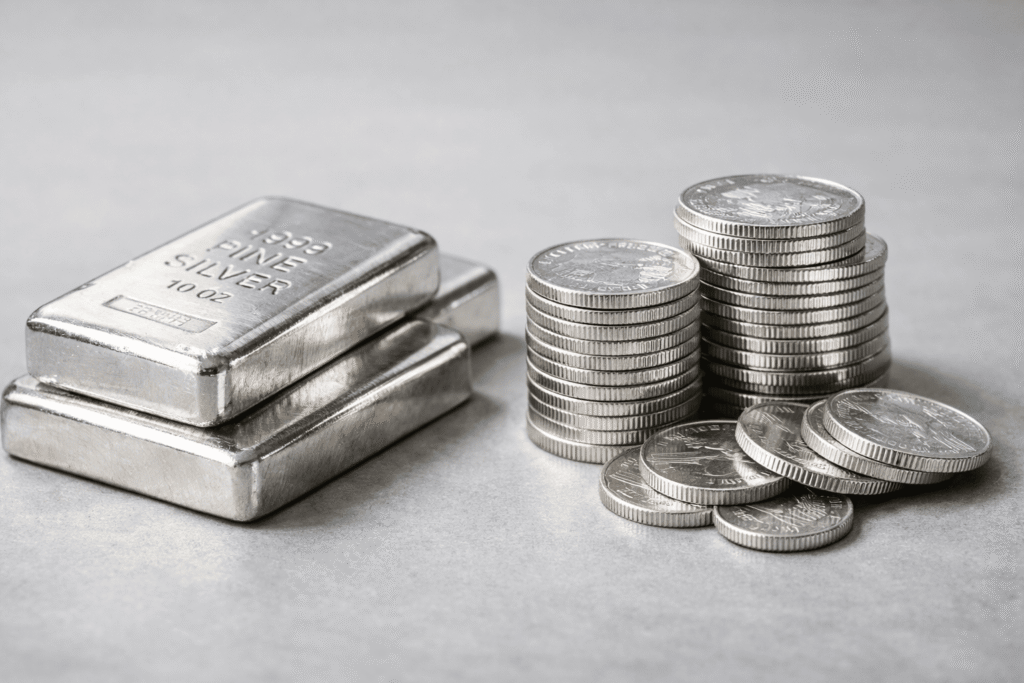
Silver bars or coins — it’s one of the first decisions every silver investor faces. This guide breaks down premiums, liquidity, storage, and volatility so you can choose the right form of silver for your portfolio and investment goals.
Investing in Silver: A Clear, No-Hype Guide to Building Real Wealth
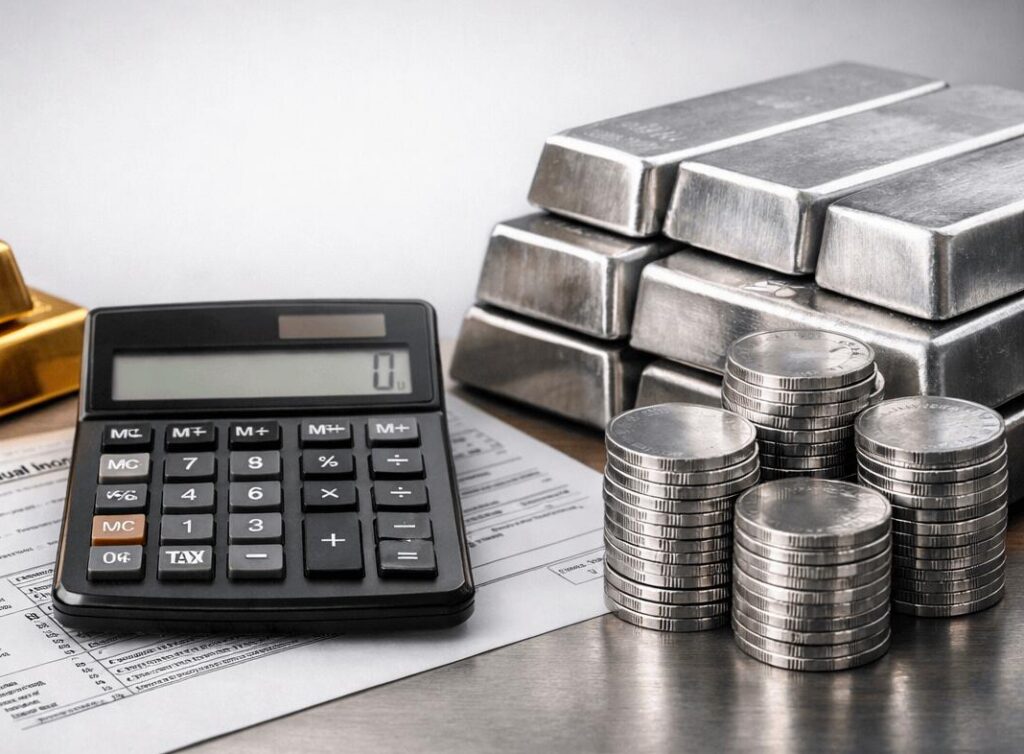
Silver isn’t just a cheaper alternative to gold — it’s a strategic asset with a unique role in any long-term wealth-building plan. This guide breaks down what investing in silver actually means, the difference between physical silver and paper alternatives, and the disciplined strategies that serious investors use. No speculation. No shortcuts. Just clear, practical guidance to help you make informed decisions and build real wealth over time.
Gold Silver Prices: Short-Term Noise, Long-Term Signal
Gold and silver prices are full of short-term noise—daily swings driven by Fed commentary, currency moves, and speculative trading. But underneath the volatility lies a consistent long-term signal. Learn how to tell the difference, what structural forces actually drive precious metals prices over time, and how to build a strategy that stays focused on what matters most.
How Government Debt Affects Gold and Silver
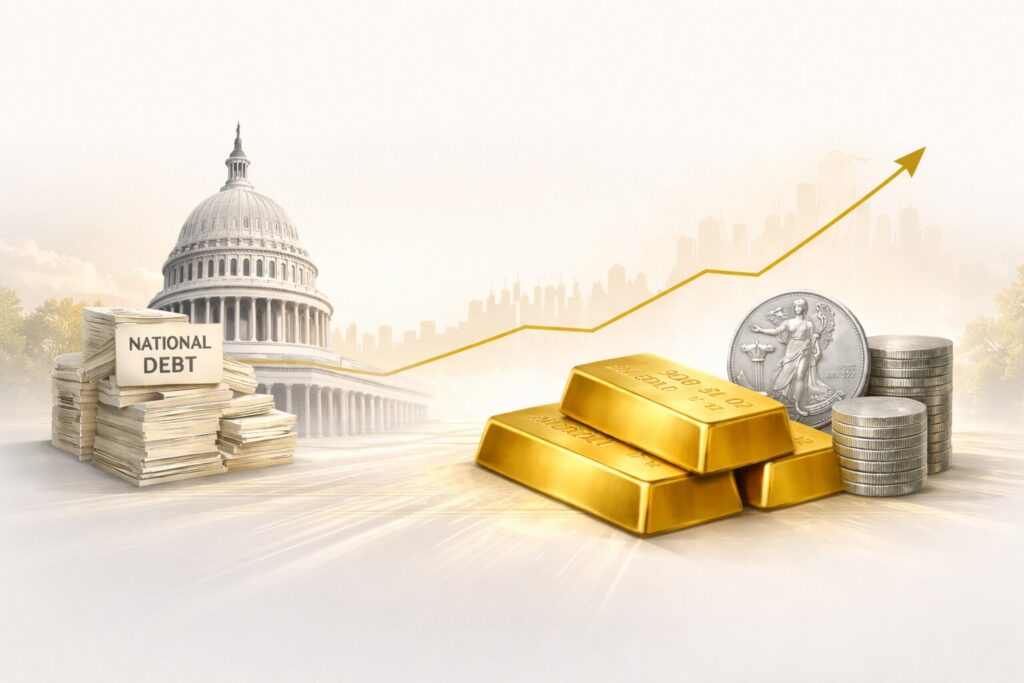
As government debt reaches record levels, gold and silver are emerging as critical hedges against inflation, currency devaluation, and declining confidence in sovereign financial systems. This article breaks down the key mechanisms linking national debt to precious metals prices, explores a decade of historical performance data, and provides actionable portfolio allocation strategies for investors looking to protect their wealth in an era of fiscal excess.
Gold vs Silver: The Liquidity Difference That Matters

Liquidity isn’t just about whether you can sell—it’s about how fast, how cleanly, and at what cost. Gold and silver both trade globally, but they don’t behave the same way when markets are stressed or timing matters. Gold maintains tight spreads and deep buyer networks even under pressure, while silver’s liquidity becomes complicated as dollar values increase. Understanding these practical differences helps investors allocate intelligently and avoid costly surprises when they need to act.


