 Silver Rises Over 120% YTD




Gold/Silver Ratio September 2026: What a 12-Week Round Trip Is Telling Holders

The gold/silver ratio swung from 61.7 to 70.4 and back to 66.3 in just twelve weeks, a round trip far wider than its normal range. Here is what the swing reveals about silver’s higher-beta relationship to gold, and how to size a silver position with that asymmetry in mind rather than chasing any single ratio reading.
Why Does Silver Drop Before Options Expiration? The Monthly Pattern David Morgan Calls “Courtroom-Level Proof”

Silver drops near options expiration every month — not because of fundamentals, but because of a paper-market mechanism called delta hedging. David Morgan explains how it works, why it’s recurring, and why the structural case for silver remains completely intact.
What Is Profit Booking in Gold and Silver? The Mechanism Explained
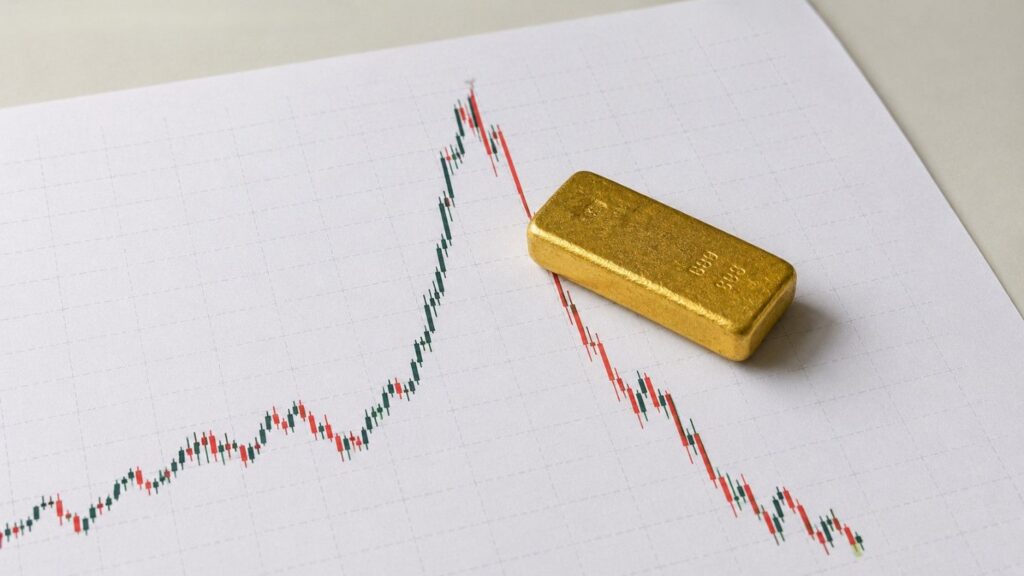
Profit booking in gold and silver means selling a position to lock in gains after a price rise — not a sign the bull market is over. This guide explains the mechanism behind the price dips, why silver falls harder than gold, and what it means for long-term holders of physical metal.
Silver Lost 3.3% While Gold Lost 1.6%. That Gap Is Not Random.
Silver is falling more than twice as fast as gold today. The reason isn’t panic — it’s structure. Here’s the three-part mechanism behind silver’s amplified moves, and what six consecutive supply deficit years mean for long-term holders.
Silver vs. Gold: A Clear 5-Year Investment Guide (2026–2031)

Gold has crossed $5,000. Silver has broken $100. With precious metals at historic highs, the silver vs gold investment debate has never been more relevant. This guide breaks down risk profiles, industrial demand, price forecasts, and portfolio allocation strategies to help you decide how to position your precious metals holdings for 2026–2031.
Why Gold Stabilizes — and Silver Amplifies
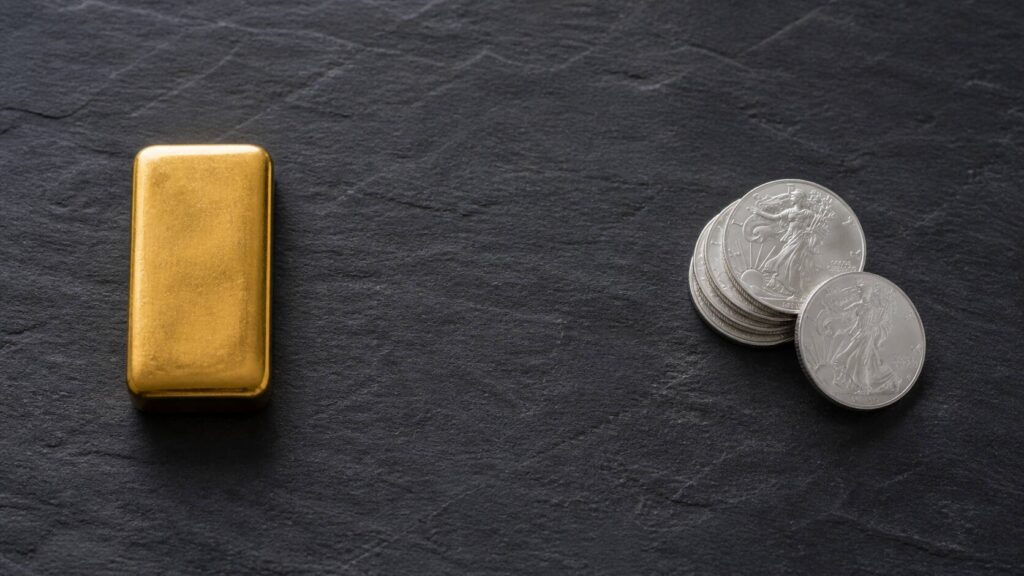
Gold and silver share the same label—but they don’t play the same role. Gold stabilizes your portfolio through market uncertainty, while silver amplifies both gains and losses. Learn the structural differences between the two metals, and how understanding each one’s unique behavior can help you build a more resilient, strategically balanced investment portfolio.
Gold or Silver Price Dip: Temporary Correction or Trend Reversal?
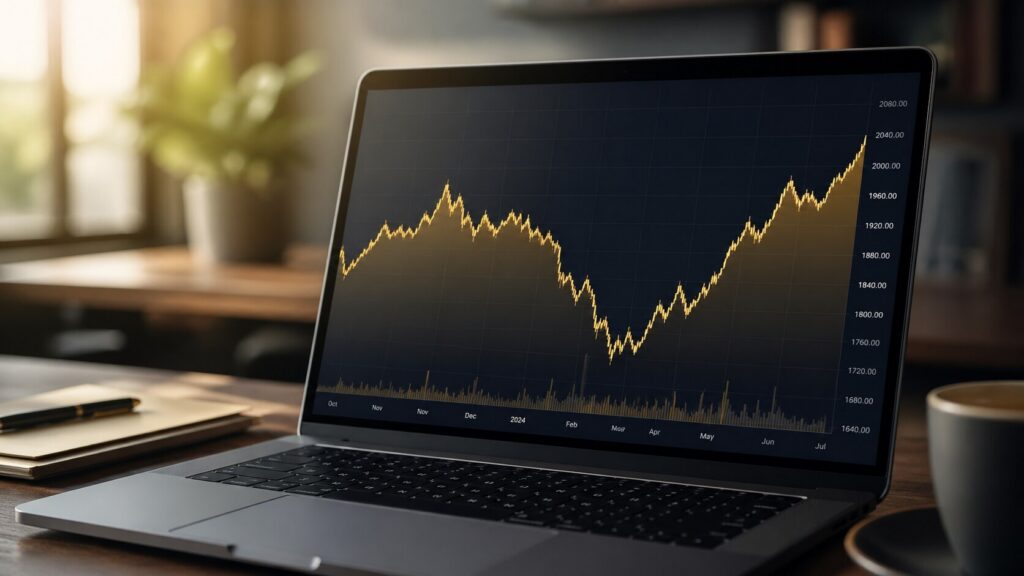
When gold or silver prices fall, the real question isn’t how far — it’s why. Learn how to read a price dip, spot the difference between a healthy correction and a genuine trend reversal, and respond with a strategy instead of emotion.
Why Silver Falls While Gold Rises: What It Means for You
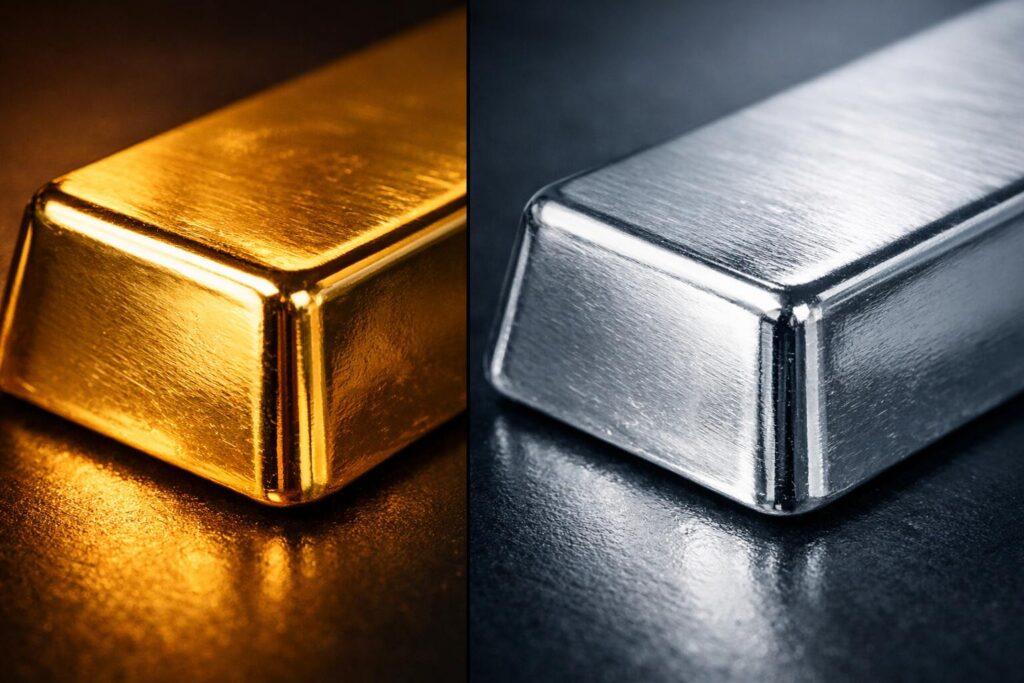
Gold and silver often move in opposite directions — and most investors don’t know why. This piece breaks down the real reason behind the divergence, how the gold-to-silver ratio signals opportunity, and what it means for your allocation strategy.
Gold & Silver Supply and Demand: What Really Drives Prices Over Time
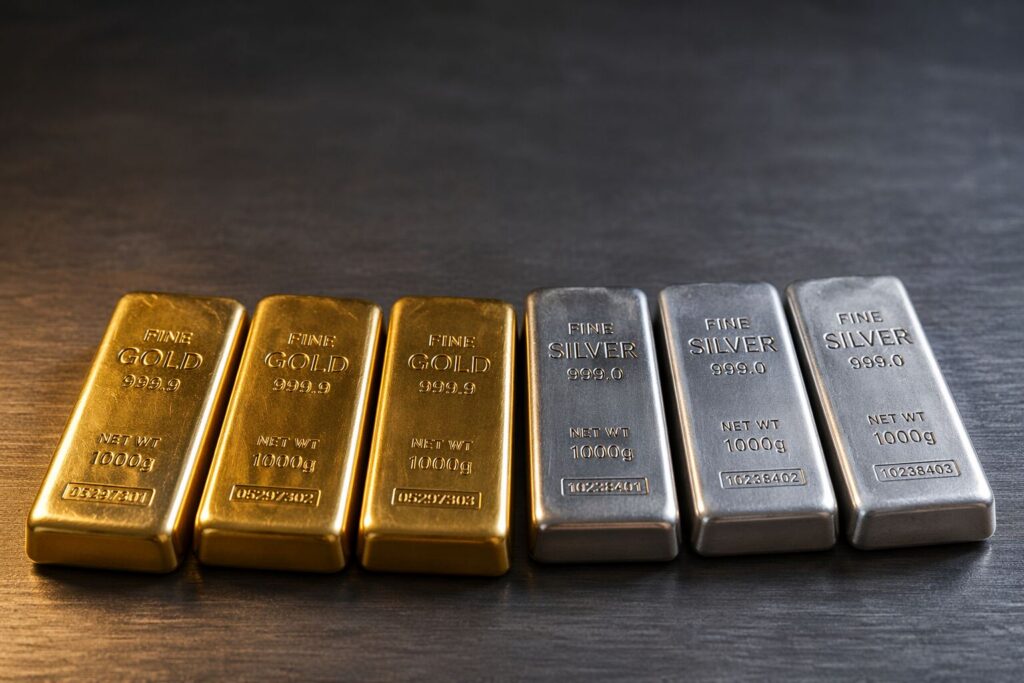
Gold and silver prices don’t move by chance. Discover the key supply and demand forces — from central bank activity and real interest rates to silver’s growing industrial role in solar and EVs — that drive precious metals prices over time and what they mean for your portfolio.
The Ounce Mindset: Why Silver’s Pullback is a Gift
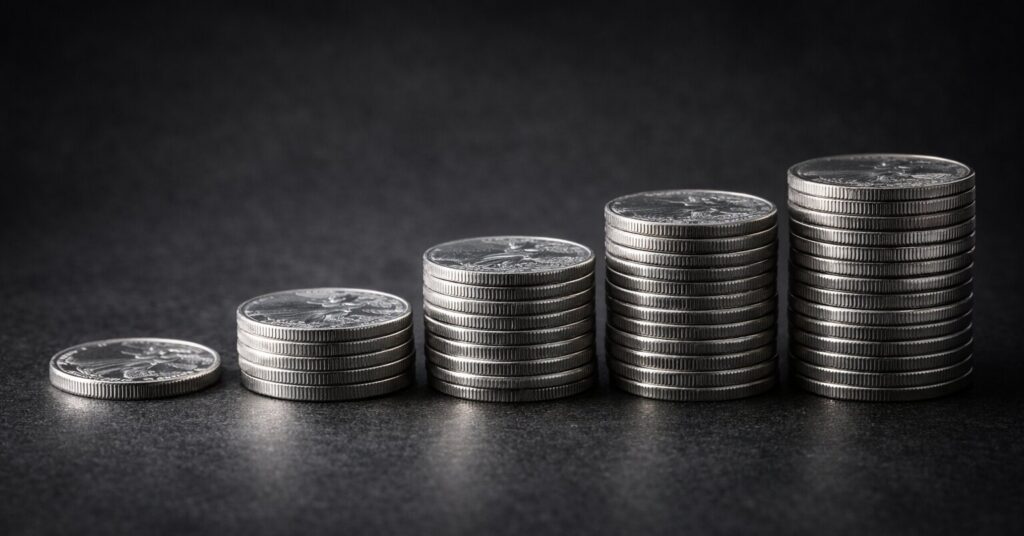
Silver hit an all-time high of ~$121 in January 2026 and has since pulled back to the mid-$70s. Mike Maloney’s framework for why that’s an opportunity, not a loss — and how to measure wealth in ounces, not dollars.


